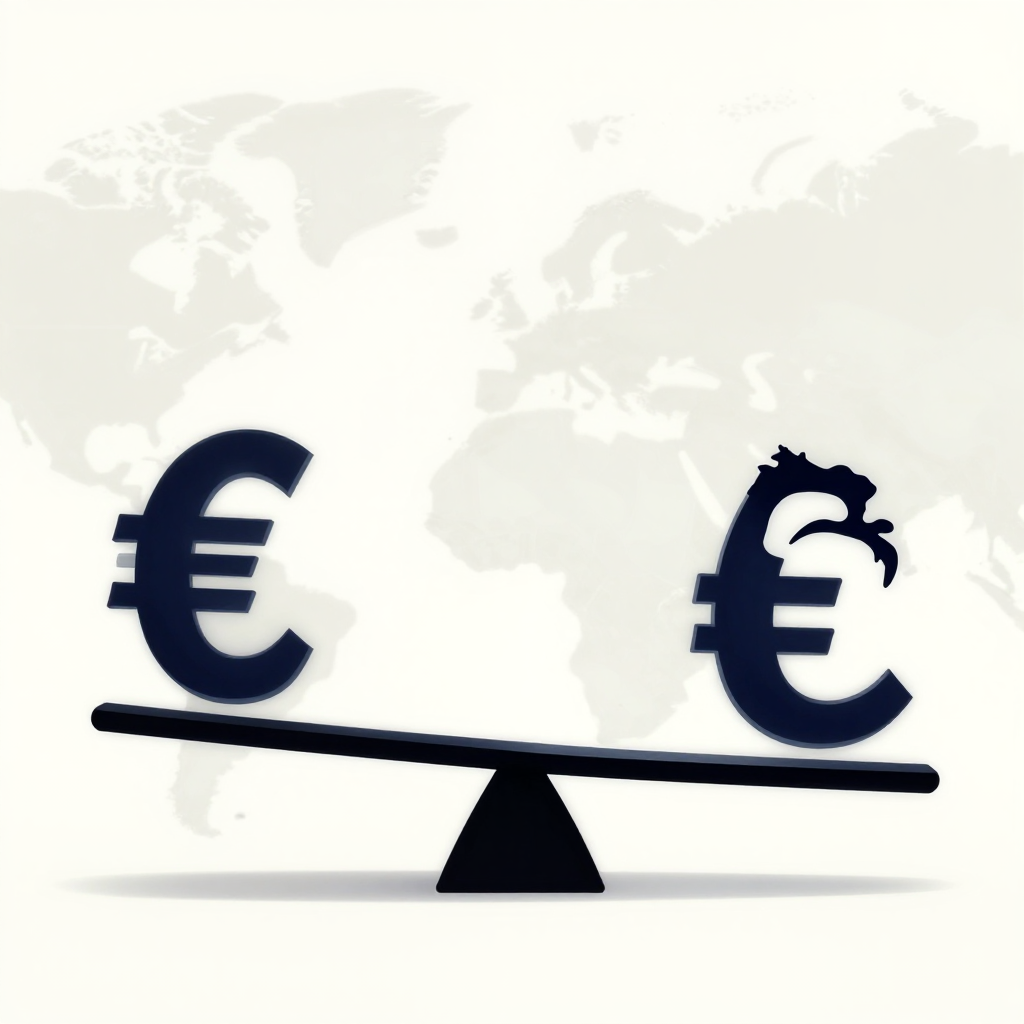
Daily World Economy News — 2026-06-11
Top world economy stories from 2026-06-11: Euro eases after ECB hike; dollar steadies near two-month high on Iran tensions - TradingView, ECB becomes first major central bank to raise rates since infl
A curated roundup of yesterday’s top world economy stories (2026-06-11).
1. Euro eases after ECB hike; dollar steadies near two-month high on Iran tensions - TradingView
Euro trading eased following an increase by the European Central Bank, while the US dollar remained stable near a recent high due to ongoing tensions with Iran.
The Euro experienced a decline after the European Central Bank implemented a hike in interest rates. Concurrently, the US dollar held its position near its two-month high. This stability in the dollar was influenced by ongoing tensions related to Iran.
These events indicate shifts in monetary policy across major economies and geopolitical factors influencing currency markets.
Source: TradingView — Read original
2. ECB becomes first major central bank to raise rates since inflation resurgence - MSN
The European Central Bank has increased interest rates, marking its first rate hike since inflation has resurged. This action indicates the central bank is responding to the renewed inflationary pressures in the eurozone economy. The decision suggests the ECB is taking further monetary policy measures to combat the current inflation levels. This move is significant as it sets a precedent for the central bank’s response to economic shifts.
Source: MSN — Read original
3. ECB Becomes First Major Central Bank to Raise Rates Since Inflation Resurgence - WSJ
The European Central Bank has increased interest rates for the first time since inflation has recently risen, as reported by the Wall Street Journal. This action suggests the ECB is responding to the resurgence of inflation within the Eurozone. Raising rates is typically a measure taken by central banks to combat inflationary pressures. The context implies that the recent increase in inflation has prompted this policy shift. This decision has significant implications for borrowing costs and economic activity across the Eurozone.
Source: WSJ — Read original
4. ECB hikes rates to 2.25% as Iran conflict stokes inflation concerns - Business Standard
The European Central Bank increased interest rates to 2.25% in response to inflation concerns stemming from the conflict in Iran.
This action by the ECB is directly linked to the increased inflation concerns arising from the ongoing conflict in Iran. The decision suggests that the central bank is attempting to address inflationary pressures within the Eurozone. This response indicates a reaction to evolving economic conditions influenced by geopolitical events.
This policy move reflects the ECB’s attempt to manage inflation while navigating external economic pressures.
Source: Business Standard — Read original
5. ECB raises interest rates for first time in three years - The Times
The European Central Bank has increased interest rates for the first time in three years, which signals a shift in monetary policy. This decision was reported by The Times. The action indicates the ECB is responding to current economic conditions within the Eurozone. Such a rate hike typically aims to influence inflation and manage economic activity. This move has significant implications for borrowing costs across the European economy.
Source: The Times — Read original