Daily World Economy News — 2026-06-21
Top world economy stories from 2026-06-21: Britain marks Brexit's 10th anniversary with an economy 4%-8% smaller than if it never voted to leave - Fortune, Trump threatens Iran with fresh strikes as V
A curated roundup of yesterday’s top world economy stories (2026-06-21).
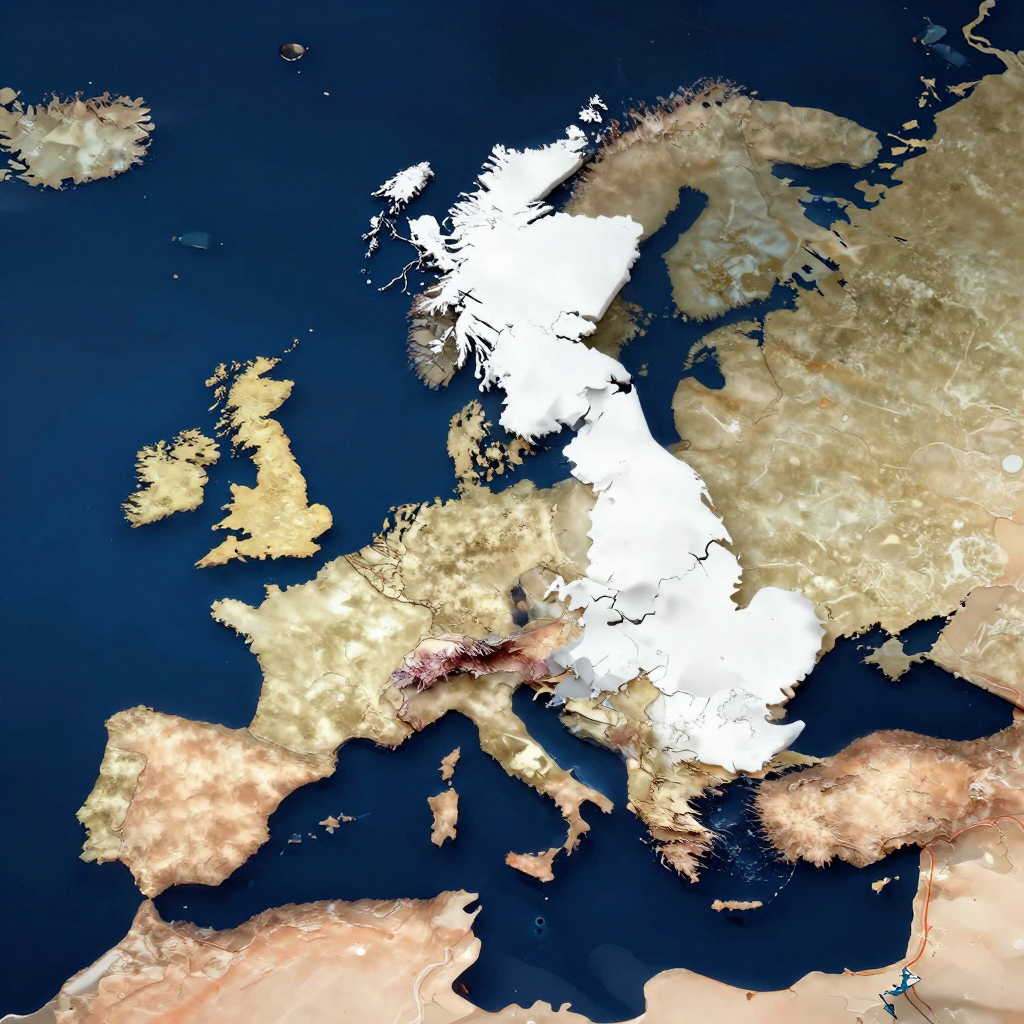
1. Britain marks Brexit’s 10th anniversary with an economy 4%-8% smaller than if it never voted to leave - Fortune
Britain’s economy is currently estimated to be 4% to 8% smaller than it would have been had it not voted to leave the European Union. This figure was reported by Fortune to mark the ten-year anniversary of Brexit. The article suggests a direct economic impact resulting from the UK’s decision to leave the EU. This comparison highlights the perceived economic cost associated with the Brexit process. This disparity indicates ongoing discussions and analysis regarding the long-term financial effects of Brexit.
Source: Fortune — Read original
2. Trump threatens Iran with fresh strikes as Vance attends talks in Switzerland - ThePrint
US tensions with Iran are escalating as former President Trump threatened further strikes, while attention is focused on ongoing diplomatic discussions in Switzerland. This news indicates a potential flare-up in the geopolitical situation between the United States and Iran. The fact that this threat is mentioned alongside Vance attending talks suggests a context of ongoing diplomatic engagement amidst heightened conflict. These events underscore the complex interplay of military threats and international diplomacy in Middle Eastern affairs.
Source: ThePrint — Read original
3. ECB raises interest rates amid bid to corral Iran-linked inflation - Investing.com
The European Central Bank increased interest rates in an effort to control inflation linked to Iran. This action suggests the ECB is using monetary policy tools to address inflationary pressures that have some connection with Iran-related factors. The context implies that inflation concerns involving Iran are influencing the ECB’s decision-making process for setting interest rates. These rate hikes are a direct response to the perceived need to manage inflation within the Eurozone, with an added consideration for the specific inflation drivers mentioned in the title. This move has implications for the cost of borrowing across the Eurozone and the broader international financial landscape.
Source: Investing.com — Read original
4. Iran closes Strait of Hormuz again: Are Fed rate hikes back on the table? - MSN
Iran has closed the Strait of Hormuz once more, raising concerns about potential implications for global energy markets and monetary policy.
This news indicates a recurring event where Iran has restricted passage through the vital Strait of Hormuz. The Strait is a critical chokepoint for the global transportation of oil and other energy products. Such actions introduce immediate volatility into international energy supplies.
The context suggests that this event is being framed in relation to discussions about the Federal Reserve’s interest rate hikes. The implication is that geopolitical tensions involving Iran may be influencing the decisions related to U.S. monetary policy.
This situation highlights the ongoing interplay between regional geopolitical conflicts and global economic stability, particularly concerning energy security.
Source: MSN — Read original
5. Annual monetary, forex policy conference calls for structural economic reform, inflation control - Tehran Times
Central banks convened to discuss monetary and foreign exchange policies with a focus on necessary economic changes. This meeting aimed to address current inflation levels and implement structural economic reforms within the economy. The conference calls for adjustments in policy to manage inflation and promote long-term economic health. This suggests that current economic conditions are prompting policymakers to seek deeper, structural changes rather than just short-term adjustments. The outcome of these discussions will likely influence future monetary and exchange rate policies.
Source: Tehran Times — Read original