Fermented Foods: Your Gut Health Secret
Discover how fermented foods nourish your gut microbiome and boost overall health.
The way we eat is fundamentally reshaping our health, and a powerful, increasingly popular way to influence it is through the foods we choose. In recent years, the focus on the gut microbiome—the trillions of bacteria living in our digestive system—has moved from an emerging concept to a central pillar of nutritional science. Understanding the profound connection between what we consume and the health of this internal ecosystem is now recognized as critical for managing everything from mood and immunity to chronic disease risk.
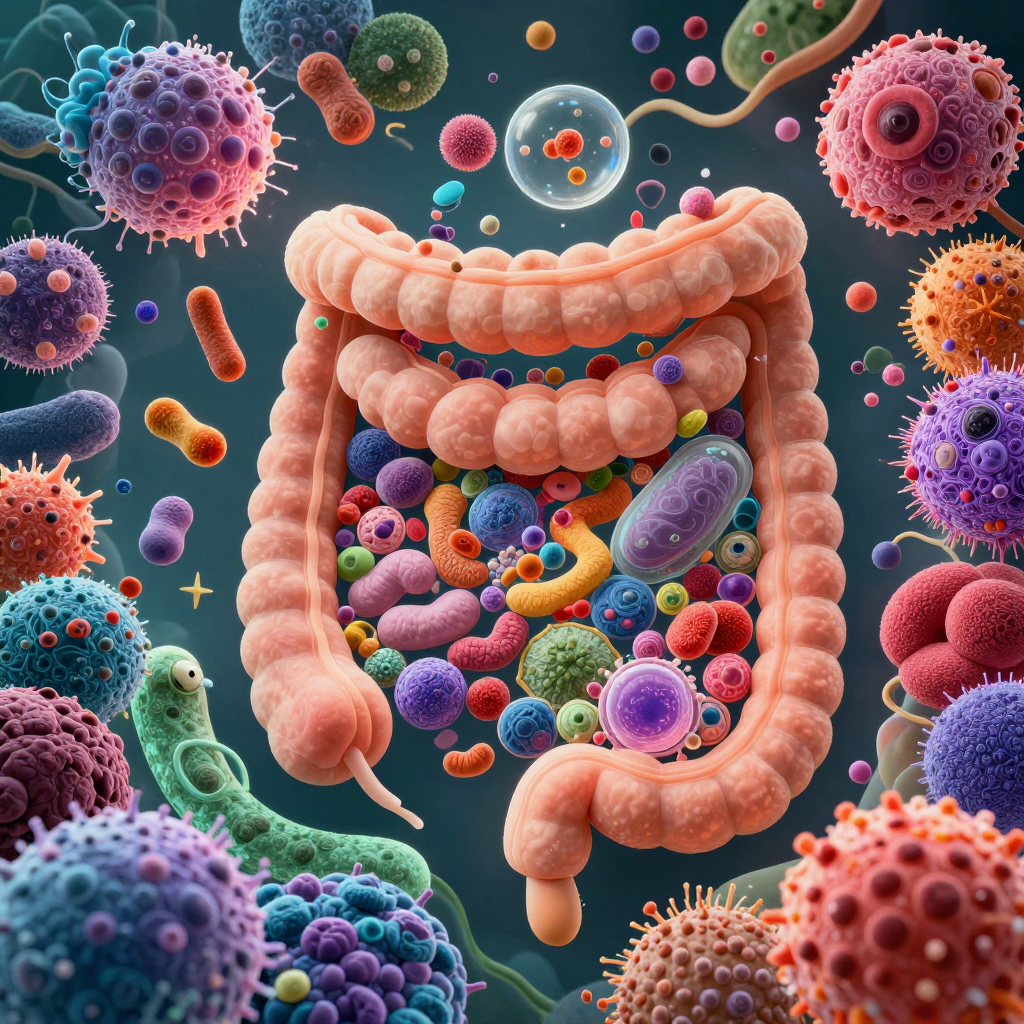
The evidence strongly suggests that the composition and diversity of your gut bacteria, collectively known as the gut microbiome, play a significant role in overall health. Fermented foods, such as yogurt, kefir, sauerkraut, kimchi, and tempeh, are packed with live microorganisms that can positively influence this balance. These foods introduce beneficial bacteria into the gut, which helps to foster a more diverse and robust microbial community. The mechanism behind this benefit is multifaceted. Fermented foods contain probiotics, which are live microorganisms that, when consumed in adequate amounts, confer a health benefit to the host. Furthermore, the fermentation process breaks down complex carbohydrates and fibers found in the food, making nutrients more accessible to the body and potentially reducing the burden on the digestive system.
This beneficial action is not limited to the gut itself. The gut microbiome communicates continuously with the rest of the body via the gut-brain axis, influencing mood regulation and cognitive function. Research examining the gut-brain connection suggests that a healthy microbial environment can play a role in managing inflammation, which is increasingly implicated in many chronic illnesses. For example, certain types of bacteria produced during fermentation have been shown to influence the production of beneficial short-chain fatty acids, which are vital for the health of the colon lining and systemic inflammation control (e.g., butyrate). Conversely, diets low in diverse fiber and fermented foods are often associated with dysbiosis, an imbalance in the microbial community, which is linked to increased susceptibility to various health issues.
Incorporating fermented foods into a diet rich in whole, unprocessed foods is a practical step toward supporting gut health. To reap the benefits effectively, focus on variety by regularly including different fermented options rather than relying on just one type. Aim to consume these foods daily to ensure a consistent supply of beneficial bacteria that can help maintain a healthy balance in the digestive tract. Pairing fermented foods with a wide array of colorful vegetables and fruits ensures you are also feeding your microbiome with the diverse prebiotics necessary for these beneficial bacteria to thrive.
Ultimately, while the relationship between diet and the microbiome is deeply interconnected, the precise long-term impact of specific food combinations and individual microbiomes remains an area of ongoing scientific exploration.