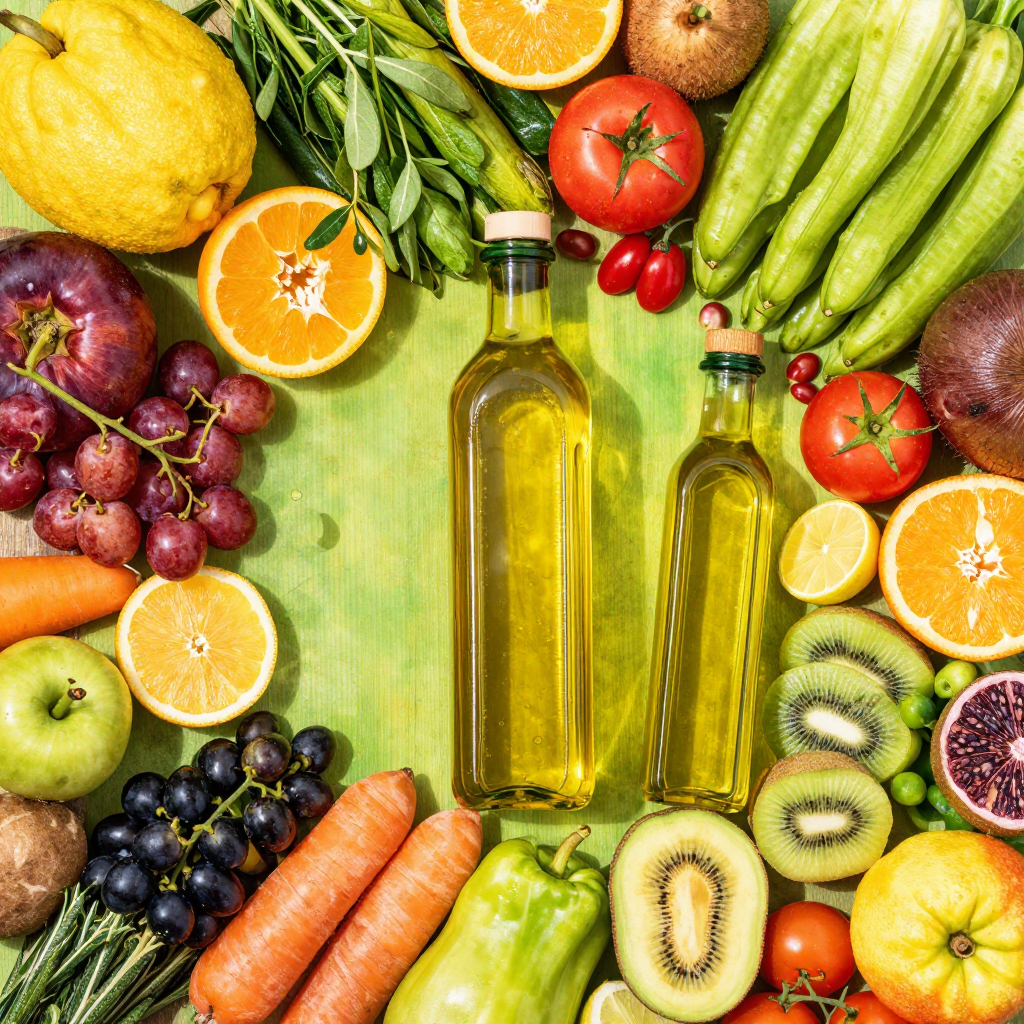
Mediterranean Diet Evidence for 2025
Explore the latest 2025 evidence on the health benefits and strength of the Mediterranean diet.
In an era saturated with conflicting dietary advice, the wisdom of the Mediterranean diet continues to stand out as a powerhouse of evidence-based nutrition for longevity and overall health in 2025. While its core principles remain rooted in a rich traditional eating pattern, recent, robust research is continually revealing deeper, quantifiable connections between this way of eating and drastically improved health outcomes. The understanding of what truly supports metabolic and cognitive health has evolved, moving beyond simple calorie counting to appreciating the holistic benefits of whole, plant-forward foods.
The evidence supporting the Mediterranean diet is extensive and increasingly compelling. A landmark prospective cohort study investigating the metabolic signature of the EAT-Lancet diet demonstrated a clear link between this eating pattern and a reduced risk of frailty (Nature, 2025-11-26). Furthermore, specific physiological benefits have been quantified; one study indicated that adopting a smarter Mediterranean diet can cut the risk of developing diabetes by an impressive 31% (ScienceDaily, 2025-10-12). This protective effect extends into neurological health as well, as research has explored how this diet influences brain health, with some studies indicating it can slow the progression of conditions like Alzheimer’s (Futura, le média qui explore le monde, 2026-03-06). The foundational principles, as explored in Harvard Thinking, emphasize that the diet’s success stems from its emphasis on healthy fats, abundant vegetables, legumes, and moderate consumption of fish and wine, promoting systemic health rather than just managing specific diseases (Harvard Gazette, 2025-11-19).
The mechanisms behind these positive findings point toward a powerful anti-inflammatory effect. The high intake of monounsaturated fats from olive oil, combined with high levels of antioxidants found in fruits, vegetables, and nuts, work synergistically to reduce chronic inflammation throughout the body, which is a key driver of many age-related illnesses. This dietary pattern is not just about weight management; it is about optimizing the body’s metabolic processes. Critically, this focus on whole foods provides the necessary nutritional building blocks that allow the body to maintain cellular health, which is why focusing on dietary quality is often considered more impactful than chasing isolated supplements for general wellness (Harvard Health, 2026-02-20).
To integrate these powerful findings into daily life, there are several practical steps you can take. Make olive oil your primary source of added fat for cooking and dressing your meals, consciously increasing your intake of colorful vegetables and legumes at every meal. Prioritize eating fish and poultry in place of red meats, and enjoy nuts and seeds as a regular source of energy. Focus on cooking meals from scratch using seasonal produce to ensure you are consuming the freshest, most nutrient-dense ingredients available.
Ultimately, while the Mediterranean diet offers an overwhelmingly strong foundation for long-term health, individual genetic makeup and lifestyle factors mean that the precise manifestation of its benefits can vary from person to person.
Sources
- ‘Harvard Thinking’: Why the Mediterranean diet works - Harvard Gazette — Harvard Gazette (2025-11-19)
- This diet, tested on 1,500 patients, slows Alzheimer’s - Futura, le média qui explore le monde — Futura, le média qui explore le monde (2026-03-06)
- Metabolic signature of EAT-Lancet diet in relation to risk of frailty: a prospective cohort study - Nature — Nature (2025-11-26)
- Don’t buy into brain health supplements - Harvard Health — Harvard Health (2026-02-20)
- Scientists found a smarter Mediterranean diet that cuts diabetes risk by 31% - ScienceDaily — ScienceDaily (2025-10-12)
- Mediterranean Diet Reduces Diabetes Risk, Study Shows - The New York Times — The New York Times (2025-08-25)
- Systematic review highlights diet’s role in prostate cancer outcomes - Urology Times — Urology Times (2025-09-05)
- The EAT– Lancet Commission on healthy, sustainable, and just food systems - The Lancet — The Lancet (2025-10-11)
- Can diet alone slow brain aging? Scientists say evidence is still too weak - News-Medical — News-Medical (2025-08-25)
- Trying to keep your brain young? A big new study finds these lifestyle changes help - NPR — NPR (2025-07-28)