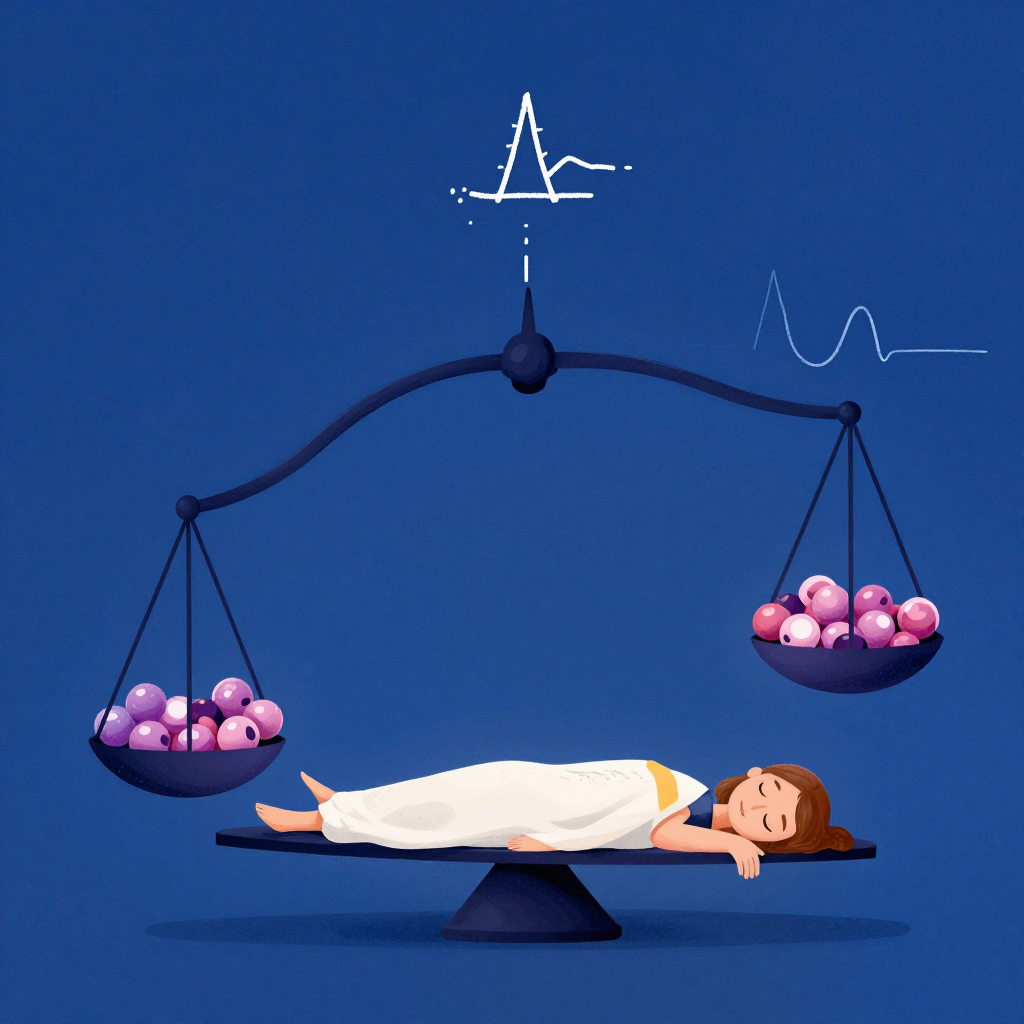
Sleep Hormones and Weight Gain
Discover how sleep and hormones influence weight gain and metabolism.
The relationship between sleep, weight gain, and the complex world of hormones is much more intricate than we once understood. In recent years, the focus has shifted from simply viewing sleep as a passive recovery period to recognizing it as a critical regulatory system directly influencing our metabolism and body weight. Understanding this hormonal connection is key to unlocking sustainable health strategies, as sleep quality directly impacts the delicate balance of the hormones that control hunger, satiety, and fat storage.
The evidence strongly suggests a bidirectional link between poor sleep and increased weight. When we sleep poorly, it disrupts the balance of key appetite-regulating hormones. For instance, inadequate sleep can negatively affect the hormones that govern hunger (ghrelin) and fullness (leptin), leading to increased cravings and a greater propensity for overeating and weight gain (Sleep Foundation, 2025-07-16; WHOOP, 2026-02-20). Furthermore, chronic sleep deprivation has been linked to increased levels of stress hormones, such as cortisol, which plays a significant role in promoting fat storage, particularly around the abdominal area (Reference 4). This stress response is often exacerbated when sleep patterns are irregular. Beyond weight, this hormonal interplay extends to metabolic health; for example, research highlights connections between obesity and various physiological markers, including aspects related to metabolic function (Reference 2).
The mechanisms connecting sleep and weight are deeply rooted in the body’s stress response and appetite control. High levels of chronic stress, often resulting from poor sleep, keep the body in a state of heightened alertness, which signals the body to store energy, often as fat. Conversely, certain sleep interventions can directly modulate these hormonal pathways. For example, studies investigating stress reduction techniques like yoga have shown that lowering stress hormones can contribute to weight management efforts (Reference 1). Moreover, newer pharmacological developments are starting to highlight the role of sleep on appetite control; for instance, research suggests that certain compounds like GLP-1s may improve sleep quality and aid in weight loss simultaneously (Reference 3). Ultimately, the hormones that manage metabolism are finely tuned by the quality and duration of our nightly rest, demonstrating that fixing one often improves the other.
To harness this powerful connection for better weight management, focus on establishing consistent, high-quality sleep hygiene. Prioritize a consistent sleep schedule, even on weekends, to regulate your body’s natural hormonal rhythms. Aim for seven to nine hours of uninterrupted sleep each night, as this is essential for allowing your body to properly process the hormones that regulate appetite and metabolism. Incorporate stress-reducing practices before bed, such as gentle stretching or meditation, to help lower cortisol levels and promote deeper, more restorative sleep. Finally, focus on consistent, balanced nutrition, as diet provides the necessary building blocks for healthy hormone regulation alongside adequate rest.
While the link between sleep and weight is powerfully established, the exact, personalized ways individual hormone profiles interact with sleep timing and weight management are still areas requiring deeper, individualized research.
Sources
- New Fitness Study Shows Yoga Can Help You Lose Weight By Lowering Stress Hormones [ZDoMvhHfDJK] - City University of Hong Kong — City University of Hong Kong (2026-05-07)
- BMI and Erectile Dysfunction: What the Connection Means for Metabolic Health - Portal CNJ — Portal CNJ (2026-05-09)
- How GLP-1s Could Help People Sleep Better — Beyond Weight Loss - Neurology Advisor — Neurology Advisor (2025-11-26)
- The Link Between Obesity and Sleep - Sleep Foundation — Sleep Foundation (2025-07-16)
- Sleep and Weight Loss are Connected | Metabolic Health - WHOOP — WHOOP (2026-02-20)
- The Future You: How Hormones Impact Health at Every Age - NYU Langone Health — NYU Langone Health (2025-09-30)
- Best Time To Sleep To Lose Weight In 2026: What Sleep Experts Recommend [QEU8tMcq0IO] - City University of Hong Kong — City University of Hong Kong (2026-05-07)
- Menopause Study: Weight Gain, Other Symptoms Not Inevitable - ZOE — ZOE (2025-10-01)
- Does melatonin cause weight gain? Factors to consider - Medical News Today — Medical News Today (2025-11-03)
- Primal Queen vs Her Bodhi reviews (2026): Why Her Bodhi is a science-backed alternative? - The Jerusalem Post — The Jerusalem Post (2026-04-07)