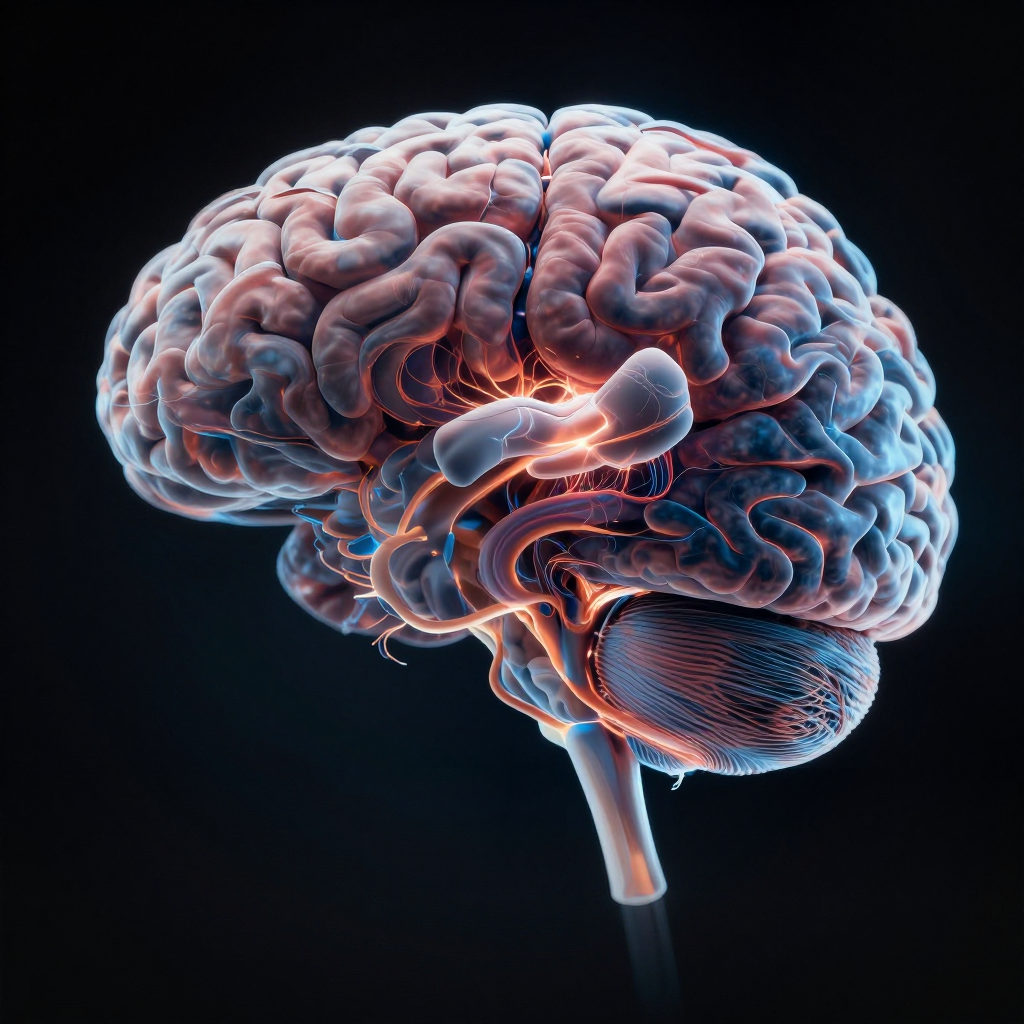
Move Your Brain Plasticity Through Exercise
Exercise boosts brain neuroplasticity, enhancing learning and cognitive function.
In our fast-paced world, the connection between physical activity and mental sharpness has moved from a suggestion to a powerful, scientifically proven reality. The conventional wisdom has continuously evolved, recognizing that the brain is not a static organ but a highly adaptable system capable of continuous change. This recent understanding underscores the profound link between moving our bodies and actively shaping the very structure and function of our minds.
The science firmly establishes that exercise is a potent driver of brain neuroplasticity—the brain’s remarkable ability to reorganize itself by forming new neural connections throughout life (Reference 4). This means that the physical act of moving, whether through walking, running, or strength training, directly influences how our brains develop and adapt. Research indicates that physical exercise induces measurable structural changes in the brain (Reference 1), demonstrating that movement literally reshapes the physical architecture of our cognitive centers. Furthermore, regular aerobic exercise has been shown to contribute to overall cognitive health, potentially leading to a brain that appears younger (Reference 2). Mechanisms underlying this change involve various biological pathways; for instance, exercise can elevate levels of hormones like irisin, which play a role in brain health (Reference 1). Studies specifically investigating brain exercise have yielded benefits, suggesting that physical engagement has tangible positive effects on cognitive function (Reference 3). Even specific cognitive training games have shown capacity to boost chemical messengers linked to memory and attention, further illustrating the brain’s malleability (Reference 5). Crucially, the benefits extend to long-term health, as research indicates that even small amounts of physical activity can significantly reduce the risk of serious conditions like dementia by up to forty percent (Reference 6).
To harness this neuroplastic potential for your well-being, incorporating movement into your routine is essential. Aim for a consistent routine of aerobic exercise, such as brisk walking or jogging, several times a week to reap these systemic benefits. Engage in activities that challenge your body, like weightlifting or dance, to promote further structural changes in your brain. Incorporate short, focused mental exercises or learning new skills alongside your physical activity to maximize the creation of new neural pathways. Prioritizing consistent movement helps maintain the health of your brain and offers significant protection against cognitive decline.
While the relationship is overwhelmingly positive, it is important to remember that the specific impact of exercise will vary based on the type, intensity, and consistency of the activity undertaken by each individual.
Sources
- Exercise induces structural brain changes and elevates irisin levels and enhances functional performance in multiple sclerosis a pilot randomized study - Nature — Nature (2026-01-03)
- Your Brain May ‘Look’ Younger If You Do Aerobic Exercise Regularly - Verywell Health — Verywell Health (2026-02-16)
- Researchers at The Neuro show a brain exercise yields benefits - EurekAlert! — EurekAlert! (2025-10-14)
- How Neuroplasticity Works - Verywell Mind — Verywell Mind (2025-10-23)
- A brain training game boosts a chemical linked to memory and attention, new research shows - NBC News — NBC News (2025-10-19)
- Small doses of exercise can reduce the risk of dementia by up to 40%, study finds - The Brighter Side of News — The Brighter Side of News (2025-09-12)
- Boost your brain health with exercise - The University of Alabama at Birmingham — The University of Alabama at Birmingham (2025-07-24)
- Your brain can be trained, much like your muscles – a neurologist explains how to boost your brain health - The Conversation — The Conversation (2026-01-23)
- Exercising the Brain: Cognitive Benefits of Playing an Instrument - Baptist Health — Baptist Health (2025-12-30)
- Research Clarifies How Cycling and Long-Term Exercise Help Those With Parkinson’s Disease - Baptist Health — Baptist Health (2025-08-20)