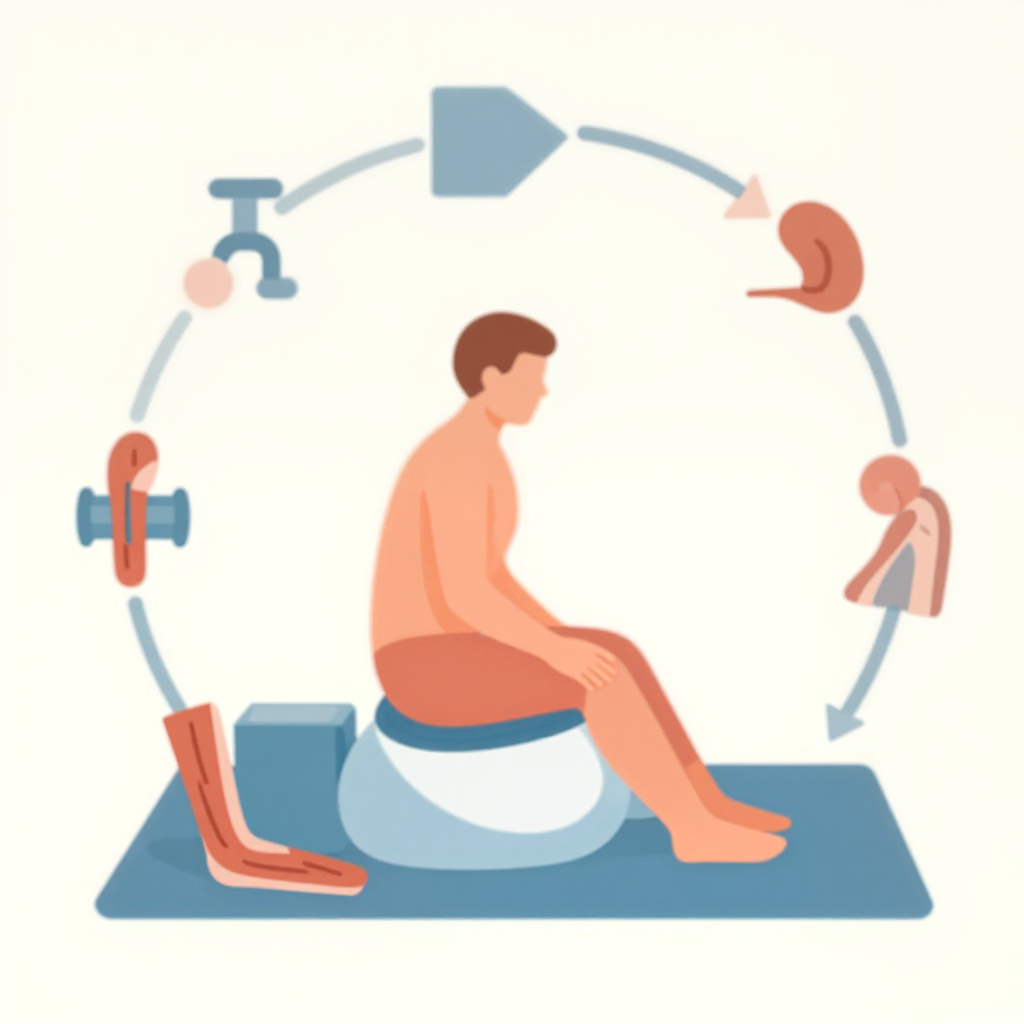
Sitting Too Long Your Health Risks and Fixes
Learn the health risks of prolonged sitting and discover simple ways to counteract them.
The modern world, characterized by remote work, extensive screen time, and increasingly sedentary lifestyles, has brought the prolonged sitting epidemic to the forefront of public health concern. While historical guidelines often focused on physical activity during work hours, recent research strongly suggests that simply sitting for long periods carries significant, measurable health risks that warrant immediate attention. The shift in how we spend our time has revealed a hidden danger: the cumulative effect of inactivity on our bodies.
The evidence emerging from recent studies paints a sobering picture regarding the consequences of prolonged sitting. Experts are now increasingly linking extended sedentary behavior directly to adverse health outcomes. For instance, research indicates that sitting for seven hours daily is associated with a shortened lifespan, signaling a direct link between inactivity and longevity (The Standard (HK) (2025-11-03)). Beyond lifespan concerns, the mechanism involves metabolic disruption; prolonged sitting negatively impacts blood sugar regulation, a finding supported by trials demonstrating that short interruptions, such as brief stair climbing, can mitigate postmeal blood sugar spikes (Nature (2025-17)). Furthermore, the sedentary nature of modern work, particularly for remote workers, highlights a growing “sedentary trap” that demands intervention (WorldHealth.net (2026-04-23)). While some research explores physical extremes, such as the effects of spaceflight on aging and stem cells (The Times of India (2025-09-11)), the core message remains consistent: minimizing prolonged inactivity is crucial for maintaining bodily health.
Understanding the impact of sitting allows us to implement practical countermeasures. To counteract the negative physiological effects of prolonged sitting, incorporating frequent movement throughout the workday is essential. Aim to break up long stretches of sitting by consciously standing, stretching, or walking for short periods every half hour. Furthermore, integrating movement into daily routines, such as taking the stairs instead of elevators or standing while on phone calls, provides valuable, low-effort activity. Establishing intentional movement breaks, even brief ones, can positively influence metabolic health markers like blood sugar levels. Finally, leveraging digital tools designed for fitness can help bridge the gap between a sedentary lifestyle and an active one, offering ways to incorporate necessary movement into demanding schedules (WorldHealth.net (2026-04-23)).
Ultimately, while the connection between prolonged sitting and poor health is increasingly established through scientific observation, the precise, long-term effects on every individual’s unique physiology remain an area of ongoing scientific investigation.
Sources
- Remote Workers and the Sedentary Trap: How Digital Fitness Tools Fight the Desk-Job Health Crisis - WorldHealth.net — WorldHealth.net (2026-04-23)
- The biggest dangers facing the Artemis II crew, from swelling and radiation to sickness and bone loss - BBC Sky at Night Magazine — BBC Sky at Night Magazine (2026-04-01)
- Experts reveal sitting for 7 hours daily shortens lifespan - The Standard (HK) — The Standard (HK) (2025-11-03)
- Spaceflight increases aging: NASA study finds blood-forming stem cells at risk - The Times of India — The Times of India (2025-09-11)
- A qualitative study of safety and human factors challenges in process control rooms operators - Nature — Nature (2025-07-27)
- Short-term effects of brief stair climbing interruptions on postprandial hyperglycemia during prolonged sitting: a randomized cross-over trial - Nature — Nature (2025-01-17)
- Move the night way: how can physical activity facilitate adaptation to shift work? | Communications Biology - Nature — Nature (2024-03-02)