Gut Diversity Your Health Secret
Explore how gut microbiome diversity impacts your overall health and well-being.
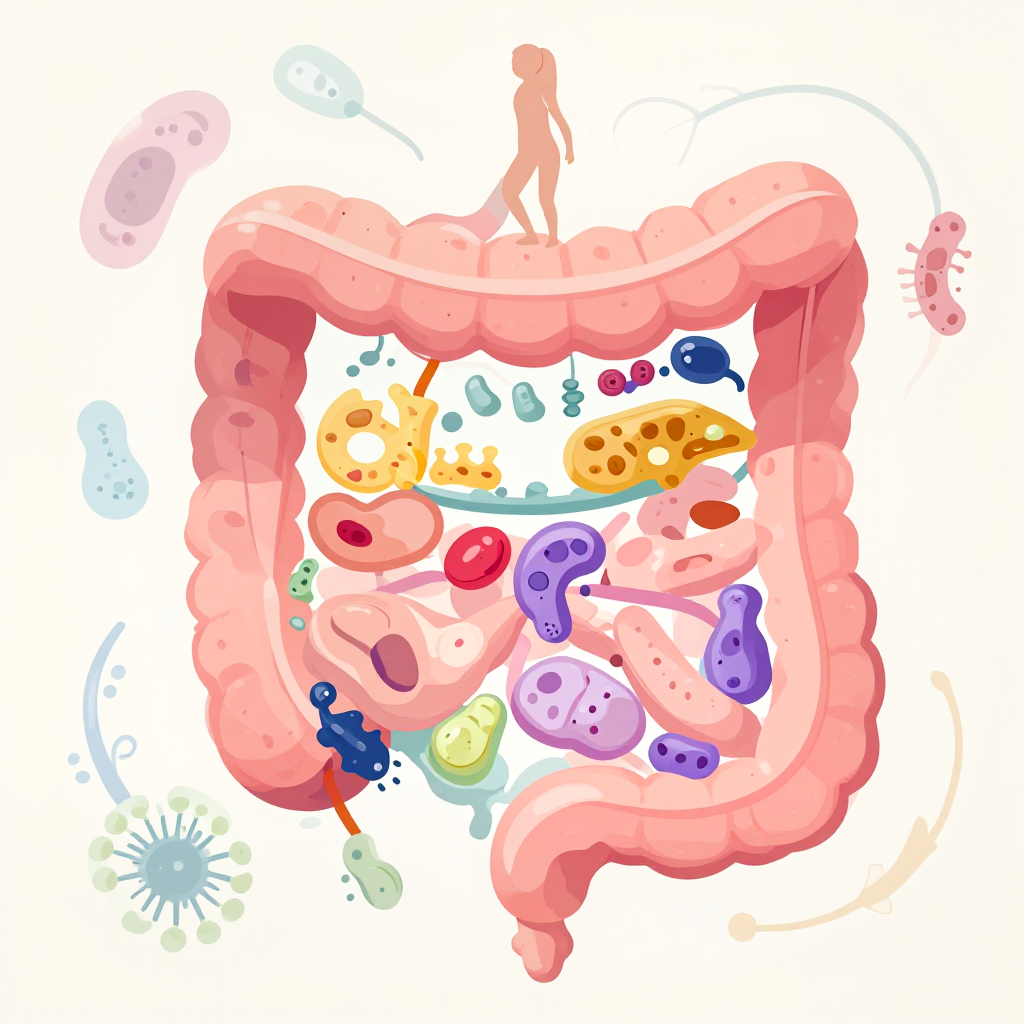
The health of our gut, teeming with trillions of microorganisms, is rapidly emerging as a central focus in modern health and wellness discussions. What was once viewed as a niche topic is now understood to be deeply interconnected with everything from our mood and immune response to our long-term physical health. Recent research consistently emphasizes that the diversity and balance of the gut microbiome play a critical role in overall wellness, challenging older, more simplistic understandings of digestion and health.
The evidence strongly suggests that the composition of the gut microbiota profoundly influences our health outcomes. These microorganisms interact constantly with our body, influencing everything from nutrient absorption to the regulation of inflammation [Reference 3]. A diverse and balanced gut community is associated with a stronger immune system and better metabolic function [Reference 5]. Diet is perhaps the most significant lever we have to influence this ecosystem. The types of foods we consume directly shape which bacteria thrive in our intestines [Reference 1]. For instance, incorporating a varied diet rich in fiber and whole foods supports the growth of beneficial bacteria [Reference 5]. Research indicates that the composition of the gut is not static; it changes significantly throughout the lifespan, including during aging, which highlights the dynamic nature of this internal environment [Reference 4]. Specific dietary components can directly support this balance; for example, certain foods, like almonds, have been shown to contribute positively to gut health [Reference 2]. Furthermore, the role of these gut microbes extends beyond digestion; they are deeply involved in reproductive health, as seen in the context of women’s reproductive systems [Reference 6].
Understanding the mechanisms behind this connection involves recognizing the gut-brain axis, where signals travel between the gut and the brain, demonstrating a continuous feedback loop between microbial activity and neurological function. When the diversity of the microbiome is high, it appears to foster a more resilient body capable of handling various stressors. Therefore, nurturing this diversity through mindful eating practices is essential for optimizing health.
To actively support a thriving gut microbiome, focus on incorporating a wider variety of plant foods into your daily intake. Prioritize a diet rich in diverse fibers from vegetables, fruits, legumes, and whole grains to feed a varied microbial community. Increase your intake of fermented foods, which introduce beneficial bacteria to the system. Be mindful of the foods you consume, as the balance of your diet directly impacts the diversity of the bacteria residing in your gut. Finally, aim for regular physical activity, as exercise has been shown to positively modulate the gut environment.
While we have gained significant insight into the gut microbiome, we still continue to explore the precise, individualized links between specific microbial profiles and complex diseases.
Sources
- How Diet Influences the Gut Microbiome and Overall Health - News-Medical — News-Medical (2026-04-30)
- How Almonds Support Gut Microbiome Health - IFT.org — IFT.org (2026-03-24)
- Gut micro-organisms associated with health, nutrition and dietary interventions - Nature — Nature (2025-12-10)
- Does your gut change as you age? Here’s what the latest research shows - San Francisco Chronicle — San Francisco Chronicle (2026-03-22)
- How diet affects gut health: 3 key takeaways from recent studies - Medical News Today — Medical News Today (2025-12-04)
- The Gut Microbiome’s Role in Women’s Reproductive Health - Gastroenterology Advisor — Gastroenterology Advisor (2025-10-31)
- Can Gut Health Control Your Fitness? New Study Says It Depends on Your Sex. - Outside Magazine — Outside Magazine (2026-04-24)
- Your gut microbes can be anti-aging – scientists are uncovering how to keep your microbiome youthful - The Conversation — The Conversation (2026-02-18)
- Men and women may differ in how fitness level is linked to gut microbiome diversity - Medical Xpress — Medical Xpress (2026-04-27)
- I spent months finding out whether our gut health affects ageing - BBC — BBC (2026-01-13)