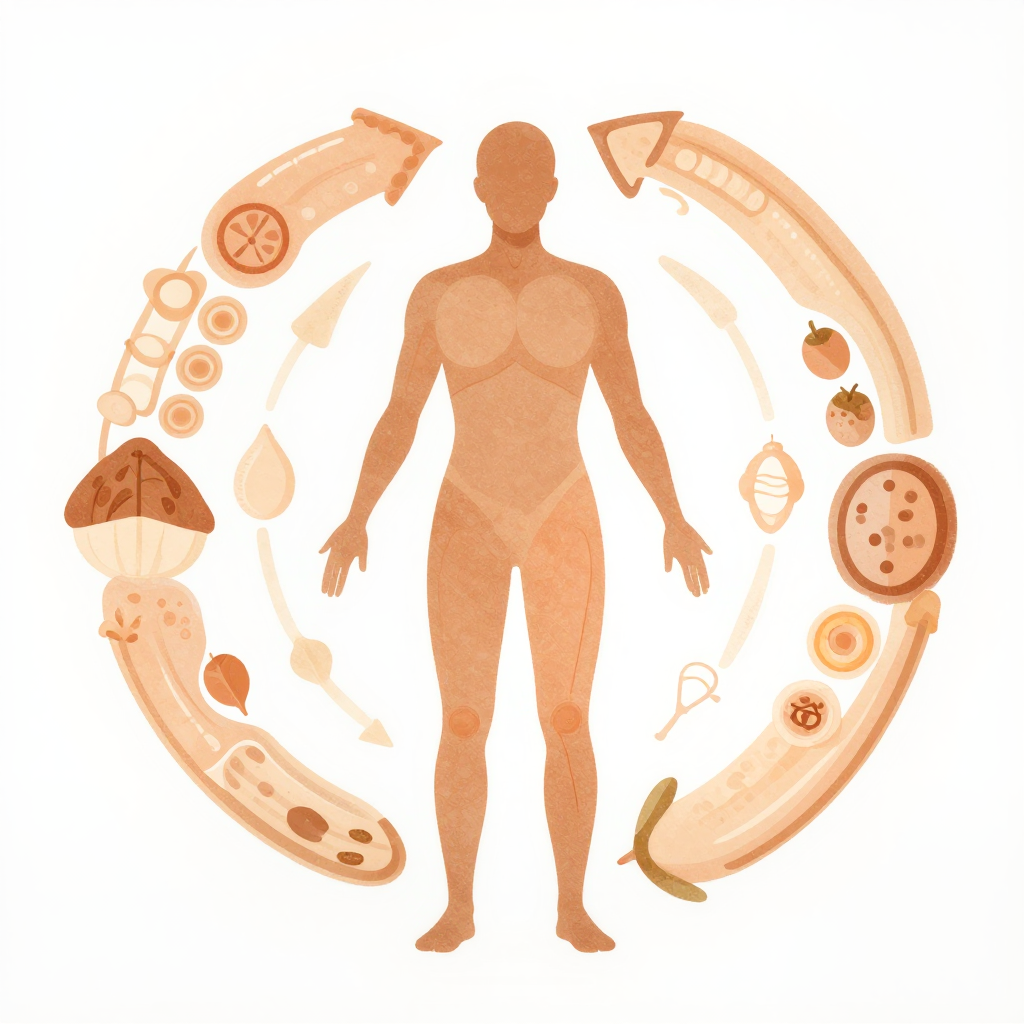
Prebiotics Explained Best Foods and How They Fuel Health
Discover the best prebiotic foods and how they nourish your gut for better health.
Understanding your gut health is more important than ever in today’s fast-paced world, as research continues to refine our understanding of the intricate relationship between our digestive system and overall wellness. While the focus has often been on introducing probiotics—live beneficial bacteria—we are now equally focusing on the food that feeds these helpful microbes: prebiotics. These invisible ingredients are the essential fuel that allows our existing gut flora to thrive, directly impacting everything from digestion to mood and immunity (Reference 1).
The mechanism behind prebiotics is simple yet profound. Prebiotics are types of non-digestible fibers that pass through the small intestine undigested, traveling to the large intestine where they are fermented by the beneficial bacteria living there (Reference 6). This fermentation process is crucial because it breaks down complex carbohydrates into beneficial short-chain fatty acids, which the body uses for energy and cellular health. These acids play a vital role in maintaining the integrity of the gut lining and influencing systemic health (Reference 5). Essentially, prebiotics act as selective food for the good bacteria already present in your gut, encouraging them to multiply and perform their necessary functions. This symbiotic relationship is foundational to a healthy microbiome, which in turn supports a robust immune system and better overall physical well-being (Reference 3).
To reap the benefits of prebiotics, focusing on diverse food sources is key. Excellent sources include onions, garlic, bananas, asparagus, oats, legumes, and certain fruits (Reference 3). Incorporating a wide variety of these foods ensures you are feeding a diverse community of bacteria, rather than just a few specific strains (Reference 3). When considering what to eat, embracing whole, unprocessed foods is the most effective strategy for maximizing prebiotic intake.
Practically speaking, you can easily boost your prebiotic intake by consciously adding more high-fiber foods to your daily meals. Make sure to regularly consume foods like whole grains, beans, and starchy vegetables to provide consistent fuel for your gut bacteria. Experiment with incorporating ingredients like oats into your breakfast routine and adding plenty of garlic or onions to your cooking. Furthermore, paying attention to diverse produce, such as asparagus or bananas, ensures a broad spectrum of prebiotic nourishment throughout the week. Finally, maintaining a diet rich in whole, plant-based foods is the most sustainable way to support a thriving gut environment.
While prebiotics are undeniably a cornerstone of gut health, the precise long-term implications of feeding the microbiome remains an area of active, ongoing scientific investigation.
Sources
- What probiotics do for your gut and beyond - USA Today — USA Today (2026-03-14)
- The best probiotics supplements for improving gut health, recommended by experts - The Independent — The Independent (2026-05-13)
- 25 Probiotic Foods (and Drinks) for a Happier, Healthier Gut - Real Simple — Real Simple (2026-02-13)
- The Best Probiotics For Women’s Health - ZOE — ZOE (2025-11-17)
- What Happens to Your Acid Reflux When You Take Probiotics? - Verywell Health — Verywell Health (2025-10-27)
- Postbiotics Are Important for Gut Health, but Do You Need a Supplement? Health Experts Weigh In - EatingWell — EatingWell (2025-11-07)
- What Are Prebiotics? Health Benefits, Risks, More - Everyday Health — Everyday Health (2025-07-15)
- Reset your microbiome: We consulted experts on the best probiotics for better gut health - New York Post — New York Post (2026-04-28)
- The Health Benefits of Fermented Foods, From Kimchi to Kefir - Cedars-Sinai — Cedars-Sinai (2025-08-28)
- Probiotic drinks: What really works for gut health, from kefir to probiotic sodas - Mayo Clinic Press — Mayo Clinic Press (2025-09-19)