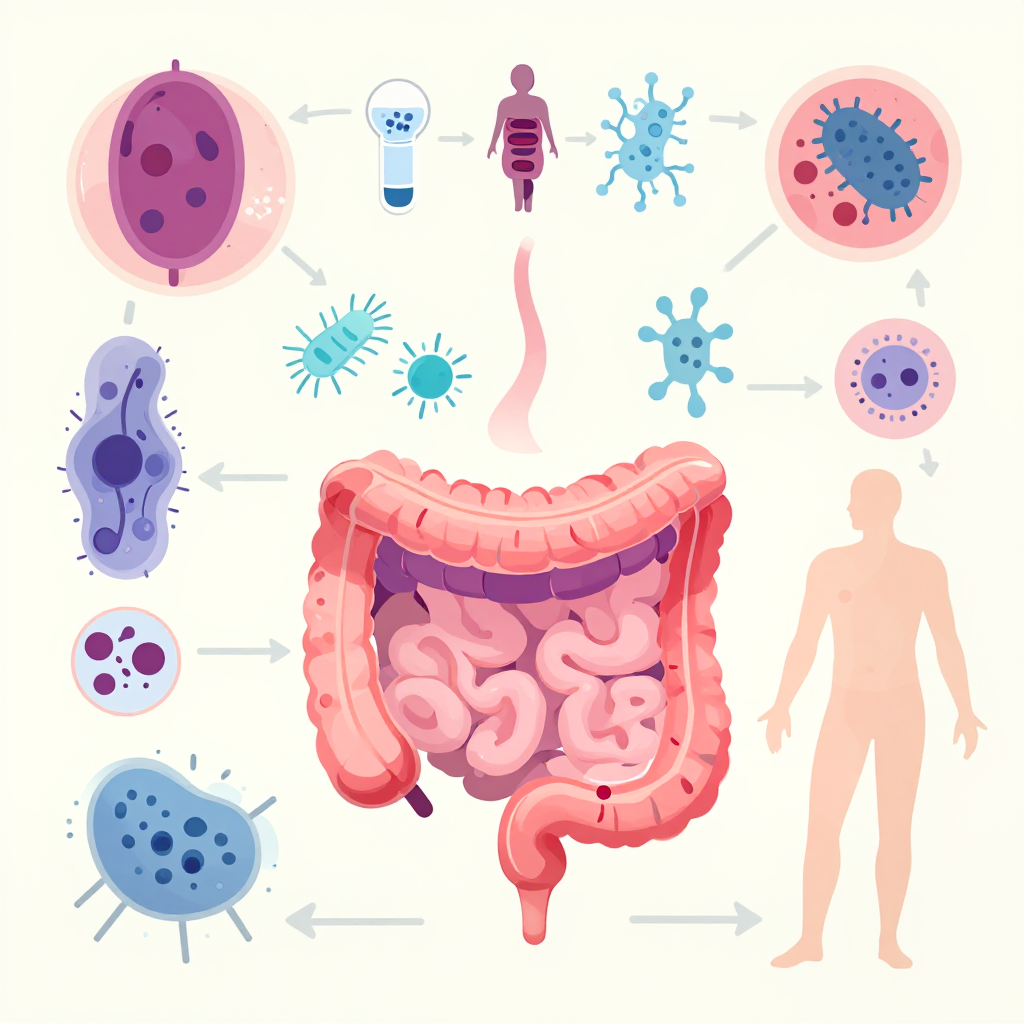
Antibiotics and Gut Health Recovery
Learn how antibiotics impact your gut microbiome and strategies for recovery.
The health of our gut microbiome, the vast community of bacteria living in our digestive system, is increasingly recognized as a foundational pillar of overall health, influencing everything from immunity to mental well-being. This understanding has led to a crucial discussion regarding the impact of antibiotics, a common medical intervention. While antibiotics are vital tools for treating bacterial infections, their use has significant, long-lasting consequences for the delicate balance of our gut bacteria. Recent research is updating our perspective on how these drugs interact with the microbiome, emphasizing the need for a more nuanced approach to recovery.
Recent large-scale data has illuminated the direct link between antibiotic use and changes in gut microbial composition. Research analyzing individual-level prescription data has shown tangible alterations in gut microbiome composition following antibiotic treatment (Nature, 2026-03-11). Furthermore, studies indicate that the effects are not temporary; the changes can persist long after treatment is complete, with some research suggesting that the gut microbiome may take years to fully recover from antibiotic exposure (U.S. News & World Report, 2026-03-19). This persistence suggests that the microbial community doesn’t simply revert to its pre-treatment state immediately. Some findings point to a fascinating biological survival mechanism, where gut bacteria employ a “bet-hedging” strategy to help them survive and begin the recovery process after exposure to these powerful medications (Newswise, 2026-05-15). Moreover, the scope of this impact is wide; some antibiotic drugs have the potential to alter the gut microbiome for as long as eight years, according to new research (Smithsonian Magazine, 2026-03-18).
Understanding the recovery process requires acknowledging that the disruption caused by antibiotics is deep-seated and protracted. The composition of the gut bacteria is highly sensitive to these interventions, and the recovery trajectory is complex. Because the microbial world is so dynamic, focusing on supporting the gut environment during and after treatment is becoming increasingly important for maintaining long-term wellness. The interaction between the introduced medication and the microbial ecosystem creates an environment where healing is an ongoing process rather than a simple, immediate reset.
To support your gut health moving forward, focus on feeding your existing bacteria with diverse, high-quality fiber-rich foods. Incorporating a wide variety of fruits, vegetables, and whole grains helps replenish the beneficial bacteria that live in your digestive tract. Maintaining a balanced diet rich in prebiotics provides the necessary fuel for a thriving and resilient microbiome. Furthermore, paying attention to overall lifestyle factors, such as managing stress and ensuring adequate sleep, plays an important role in fostering a healthy gut environment. Finally, whenever possible, consider consulting with healthcare professionals regarding any concerns about antibiotic use and your personal gut health goals.
While we are making significant strides in understanding the link between antibiotics and the gut microbiome, the precise long-term mechanisms governing the full recovery process and the optimal strategies for maximizing this recovery remain an area of ongoing scientific investigation.
Sources
- Antibiotic use and gut microbiome composition links from individual-level prescription data of 14,979 individuals - Nature — Nature (2026-03-11)
- Antibiotic use linked to ‘persistent’ gut microbiome changes - CIDRAP — CIDRAP (2026-03-16)
- Study Reveals “Bet-Hedging” Strategy That Helps Gut Bacteria Survive and Recover | Newswise - Newswise — Newswise (2026-05-15)
- Gut Microbiome May Take Years to Recover From Antibiotic Use - U.S. News & World Report — U.S. News & World Report (2026-03-19)
- How one antibiotic dose can reshape your gut microbiome for years - News-Medical — News-Medical (2026-03-17)
- Some Antibiotic Drugs Can Alter Your Gut Microbiome for Up to Eight Years, New Research Suggests - Smithsonian Magazine — Smithsonian Magazine (2026-03-18)
- A unique blend of five human milk oligosaccharides supports recovery of infant microbiome composition and function after ex vivo antibiotic use - Frontiers — Frontiers (2026-02-03)
- Repair your gut slowly with whole foods - UCLA Health — UCLA Health (2026-01-28)
- How Long Do Antibiotics Affect Your Gut? This Study Offers A Surprising Answer - MindBodyGreen — MindBodyGreen (2026-03-24)
- Trust your gut to heal your brain: Antibiotics may aid recovery from traumatic brain injury - Medical Xpress — Medical Xpress (2026-02-26)