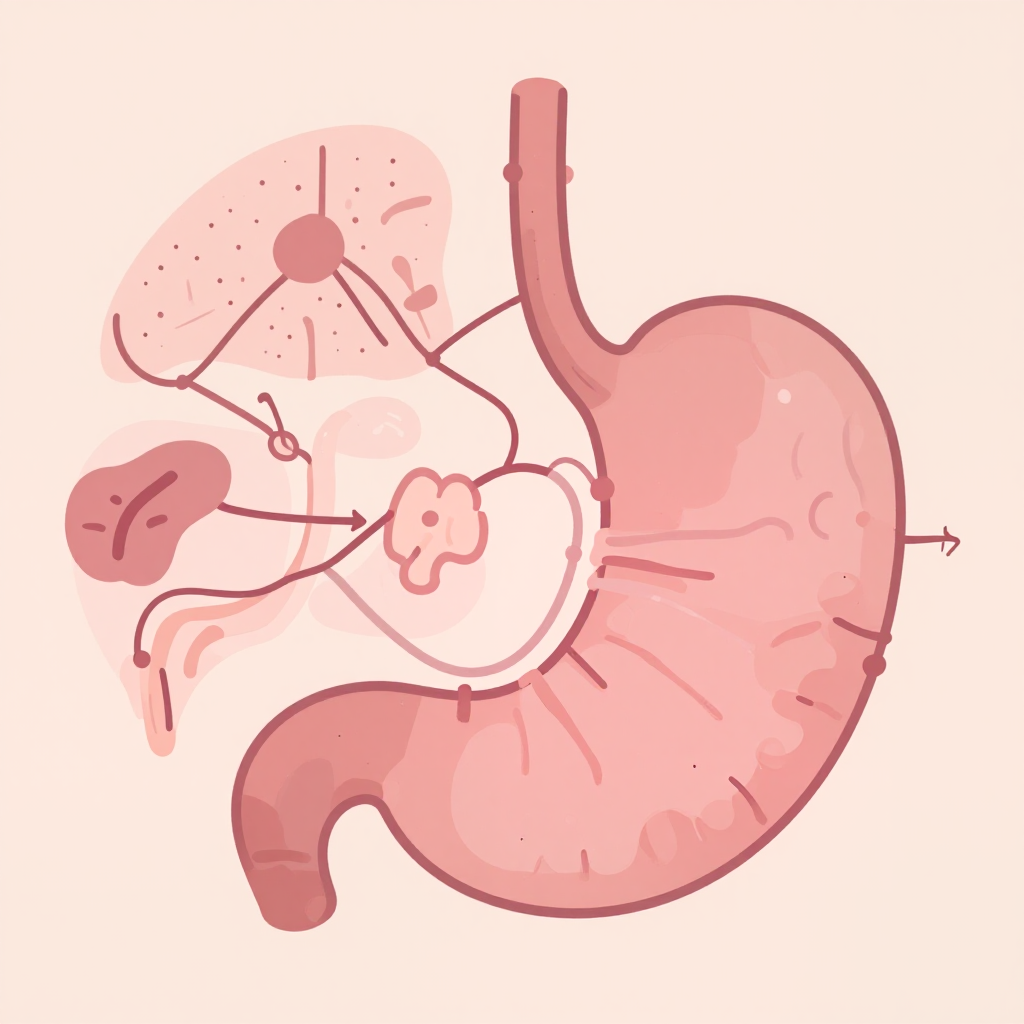
Gut Mood: The Secret Link Between Your Belly and Brain
Discover how your gut influences your mood through the gut-brain axis.
The connection between our digestive system and our mental well-being is no longer a fringe theory; it is a central focus of modern health research. We are learning that the invisible dialogue happening within our gut—the gut-brain axis—profoundly shapes everything from our mood and anxiety levels to our cognitive function. This axis demonstrates that the health of our intestinal microbiome directly influences brain function, prompting a significant shift in how we understand mental health, moving the focus from purely psychological explanations to a holistic view that includes our physical health (Reference 6).
What the evidence tells us is that the gut is far more than just a processing organ for food; it acts as a major communication hub with the brain. This communication occurs through a complex network involving the vagus nerve, hormones, and the trillions of bacteria residing in the gut, collectively known as the gut microbiome (Reference 1). The bacteria produce various signaling molecules that travel through the bloodstream to influence brain chemistry and neurotransmitter production. When this ecosystem is balanced, it supports optimal mood regulation and cognitive clarity. Conversely, imbalances can lead to increased stress responses and mood disturbances.
One area where this connection is being heavily explored is the impact of lifestyle choices, particularly dietary habits. For instance, research suggests that our daily consumption habits directly shape the composition of our gut bacteria and consequently modify our physiology and cognition (Reference 3). A fascinating example involves coffee; recent research indicates that habitual coffee intake has a tangible effect on the gut microbiome and the brain (Reference 4). Scientists are now investigating the intricate ways in which substances we consume, like caffeine, interact with the gut environment to influence mood and brain health (Reference 2). Furthermore, emerging fields are highlighting the role of psychobiotics—beneficial microorganisms—in mental health, suggesting that introducing specific, beneficial bacteria can positively impact mood regulation (Reference 1).
Understanding this link means recognizing that what we eat is intrinsically linked to how we feel. Nourishing the gut environment through a diverse, fiber-rich diet rich in whole foods is a foundational step in supporting a healthy brain. Focusing on high-quality nutrition is essential for fostering a resilient gut microbiome, which in turn supports better emotional regulation. Furthermore, conscious choices about food intake, such as managing consumption patterns, can play a subtle yet significant role in managing mental states.
To put this into practice, focus on incorporating fermented foods into your daily meals to introduce beneficial bacteria to your system. Prioritize a diet abundant in diverse fruits, vegetables, and whole grains to feed a varied and healthy gut environment. Engage in regular physical activity, as exercise has been shown to positively influence both gut health and mood regulation. Finally, paying attention to your stress levels, as stress directly impacts the gut, becomes a powerful tool for maintaining mental balance.
While the gut-brain axis offers compelling pathways for understanding mood, we are still in the early stages of fully mapping every single microbial interaction and precisely determining the exact mechanisms by which these signals translate into complex human emotions.
Sources
- Psychobiotics in mental health: insights from human clinical trials via the gut-brain axis - Frontiers — Frontiers (2026-03-09)
- The Surprising Way Coffee May Be Affecting Your Gut-Brain Axis, According to New Research - The Healthy @Reader’s Digest — The Healthy @Reader’s Digest (2026-05-23)
- Habitual coffee intake shapes the gut microbiome and modifies host physiology and cognition - Nature — Nature (2026-04-21)
- Scientists just discovered what coffee is really doing to your gut and brain - ScienceDaily — ScienceDaily (2026-05-03)
- Coffee: Even decaf can improve mood, brain health, and here’s why - Medical News Today — Medical News Today (2026-04-27)
- Foggy Brain? Maybe It’s Your Gut. - The New York Times — The New York Times (2026-05-04)
- Researchers link coffee to brain health by changing the gut microbiome - Nutrition Insight — Nutrition Insight (2026-04-23)
- Scientists Discover How Coffee Impacts Memory, Mood, and Gut Health - SciTechDaily — SciTechDaily (2026-05-06)
- Gut Health and Depression: What the Research Tells Us - ZOE — ZOE (2025-11-17)
- Coffee (Even Decaf) Can Improve Mood, Reduce Stress - Healthline — Healthline (2026-04-28)