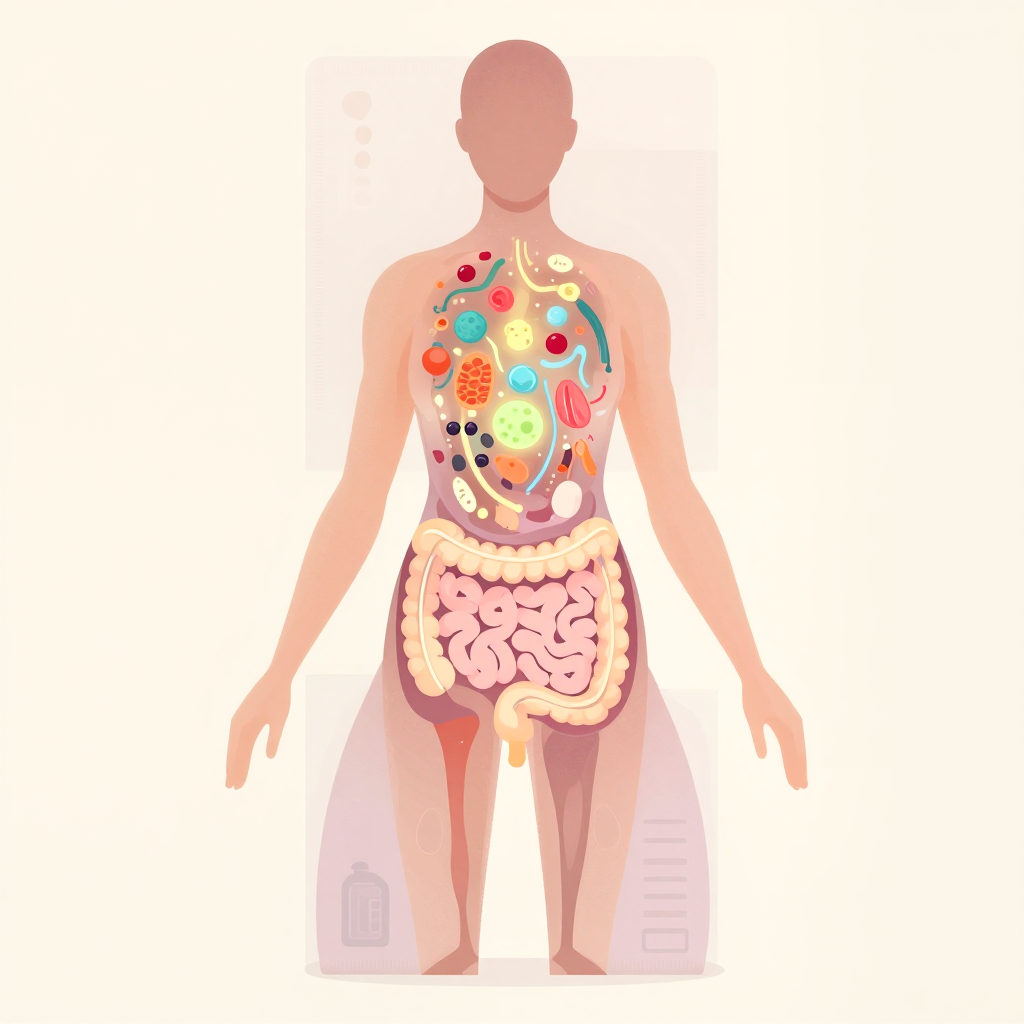
Fasting and Your Gut Microbiome Explained
Discover what fasting does to your gut microbiome and your health.
The relationship between what we eat and the trillions of bacteria living in our digestive system—the gut microbiome—is one of the most exciting areas of modern health research. As public interest in optimizing health has grown, intermittent fasting (IF) has moved from a niche trend to a widely discussed dietary strategy. While IF is often promoted for weight management, its deep connection to the gut and brain is revealing a much more complex picture than previously understood. Recent research suggests that fasting may not simply be about calorie restriction; it is fundamentally about resetting the body’s internal rhythms and fostering a healthier gut environment (Gut Microbiota for Health, 2026-03-02).
The evidence points toward a profound interaction between fasting and the gut. When we engage in fasting periods, the body enters a state of metabolic flexibility, which directly impacts gut health. Fasting gives the digestive system a break, allowing for repair and a shift in microbial composition. Studies indicate that IF influences eating rhythmicity, which in turn affects how the gut microbiome functions and communicates with other organs (Gut Microbiota for Health, 2026-03-02). Furthermore, the gut is not just a digestive organ; it acts as a crucial communication hub, often referred to as the gut-brain axis. Changes in the gut environment, driven by diet and fasting, can influence mood and cognitive function, as research has shown fasting triggers surprising changes in the brain (ScienceDaily, 2026-05-31). Research specifically links the interplay between the gut microbiome, intermittent fasting, and weight loss, suggesting that these practices can influence metabolic processes beyond just burning calories (CU Anschutz newsroom, 2026-01-15).
Understanding these mechanisms highlights why the gut microbiome is so integral to overall wellness. By giving the digestive system regular rest, intermittent fasting provides an opportunity for beneficial bacteria to flourish and rebalance, which is critical for managing inflammation and metabolic health (Harvard T.H. Chan School of Public Health, 2025-09-24). Health guidelines for those exploring fasting emphasize that the timing and method of fasting can significantly modulate these microbial shifts (Health: Trusted and Empathetic Health and Wellness Information, 2026-03-29). For women, specific considerations are also necessary when implementing fasting protocols, as hormonal balance is closely tied to gut health (ZOE, 2026-02-18).
To reap potential benefits from fasting for your gut health, focus on consistent, mindful eating patterns during your eating windows. Ensure that the food you consume during those times is rich in diverse, unprocessed plant foods to feed a varied and healthy bacterial community. Prioritize hydration throughout your fasting period, as proper water intake supports overall metabolic functions. Finally, integrate gentle movement and stress reduction techniques alongside your fasting practice to support the overall healing process of your body.
While the correlation between intermittent fasting and a healthier microbiome is compelling, the long-term, personalized effects across all individuals and specific fasting durations are still an area actively being explored by the scientific community.
Sources
- Intermittent fasting triggers surprising changes in the brain - ScienceDaily — ScienceDaily (2026-05-31)
- Intermittent fasting and eating rhythmicity: what we know about their impact on metabolic and gut health - Gut Microbiota for Health — Gut Microbiota for Health (2026-03-02)
- Gut Microbiome, Intermittent Fasting and Weight Loss: Seeking a Link - CU Anschutz newsroom — CU Anschutz newsroom (2026-01-15)
- How To Intermittent Fast for Gut Health - Health: Trusted and Empathetic Health and Wellness Information — Health: Trusted and Empathetic Health and Wellness Information (2026-03-29)
- Intermittent Fasting For Women: Here’s What You Need To Know - ZOE — ZOE (2026-02-18)
- The health benefits of intermittent fasting - Harvard T.H. Chan School of Public Health — Harvard T.H. Chan School of Public Health (2025-09-24)
- Intermittent Fasting: Efficacy, Safety, and Its Impact on Body Weight, Glucose Metabolism, and Gut Microbiota - Cureus — Cureus (2025-11-25)
- New CU Anschutz Research Explores the Connection Between the Gut and Skeletal Health - CU Anschutz newsroom — CU Anschutz newsroom (2025-10-27)
- Fasting supports type 1 diabetes care by reshaping the microbiome - News-Medical — News-Medical (2025-08-20)
- Is Coffee Good For You? 15 Evidence-Based Coffee Benefits - ZOE — ZOE (2025-11-11)