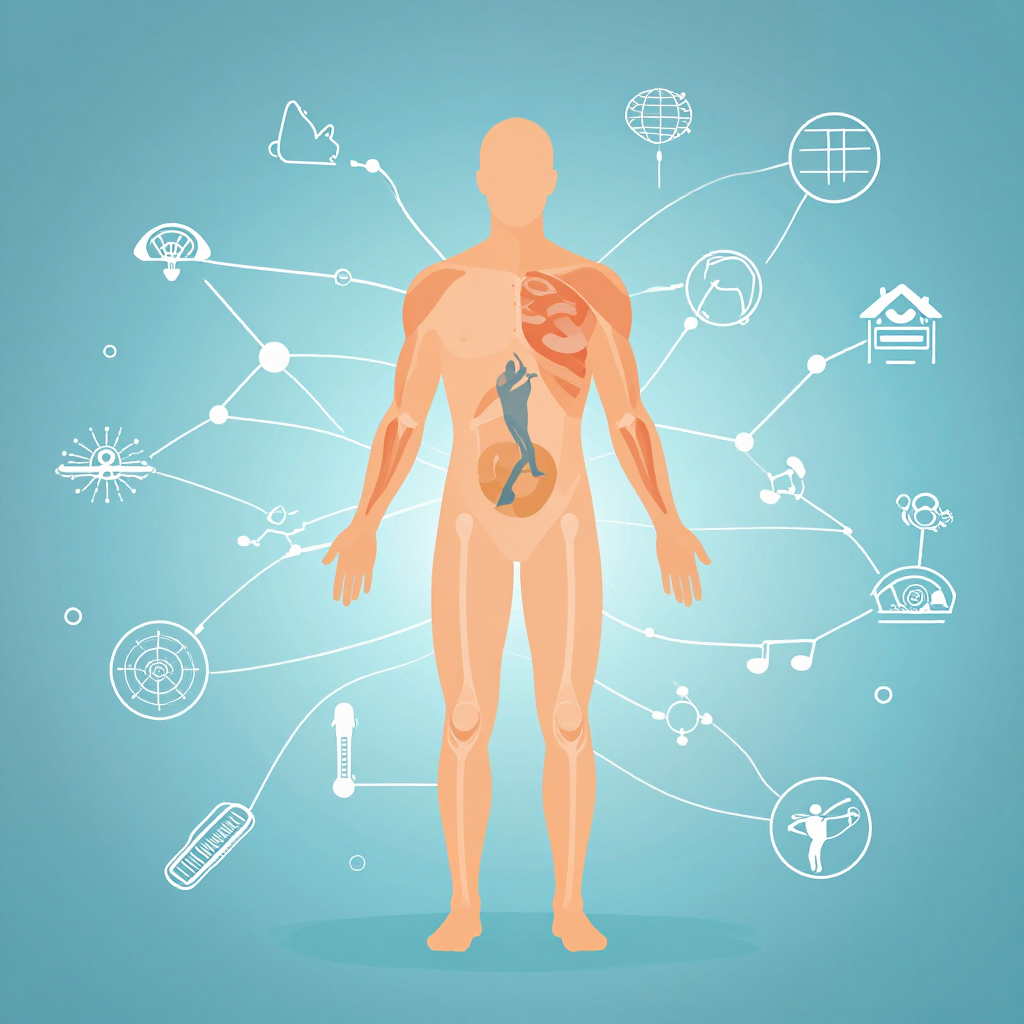
Social Bonds Boost Your Health and Lifespan
Social connection boosts health and longevity, making strong relationships vital for well-being.
The quest for a longer, healthier life has long focused on diet and rigorous exercise, yet a powerful, often underestimated force is emerging as a critical determinant of longevity: social connection. While traditional health advice rightly emphasizes physical habits, recent scientific understanding is increasingly pointing toward the profound impact of our social environment on our biological well-being. We are learning that the quality of our relationships is not just a source of emotional comfort; it is a fundamental component of our physical health and lifespan.
The evidence strongly suggests that strong social connections are intrinsically linked to extended healthy lifespans. Research, including findings from the World Health Organization, indicates a clear correlation between social connection and reduced risk of early death (WHO, 2025-06-30). This connection operates through powerful biological mechanisms. The concept of belonging itself has tangible physiological effects; the biology of belonging demonstrates that strong social ties actively promote longevity by slowing down the cellular aging process (Everyday Health, 2025-10-07). This suggests that feeling seen, supported, and connected activates protective pathways within the body. Furthermore, studies indicate that social connection is perhaps the single most critical factor in predicting long-term health outcomes, often proving more predictive than diet or exercise alone (ScienceAlert, 2026-05-09). The mechanism involves stress reduction; positive social interactions lower chronic stress hormones, such as cortisol, which are known accelerators of aging (Harvard Health, 2026-05-19).
The mechanism linking social connection to health is multifaceted. When we feel deeply connected to others, we experience reduced psychological distress, which lessens systemic inflammation in the body. This reduced inflammation is crucial because chronic, low-grade inflammation is a known driver of age-related diseases. The American Enterprise Institute notes that this phenomenon, which we term the biology of belonging, directly interfaces with the fields of geroscience, demonstrating how our social interactions shape our aging trajectory (AEI, 2025-10-24). In essence, robust social networks provide a buffer against the damaging effects of stress and isolation, allowing the body to maintain healthier cellular function.
To harness this powerful factor for your health, you can actively cultivate your social environment. Prioritize nurturing existing relationships by dedicating focused, quality time to the people you care about, moving beyond casual interactions to deeper engagement. Seek out opportunities to build new connections, whether through joining community groups, volunteering, or engaging in shared hobbies that align with your interests. Make an effort to practice vulnerability and open communication with friends and family, allowing yourself to be seen authentically. Finally, actively engage in regular, meaningful social interactions, as consistent connection serves as a daily dose of preventative health care.
While the correlation between social connection and longevity is compelling, the precise, singular mechanism by which specific social interactions translate into measurable biological longevity remains an area actively being explored by the scientific community.
Sources
- Read - National Academies of Sciences, Engineering, and Medicine — National Academies of Sciences, Engineering, and Medicine (2025-12-10)
- What factors speed up aging? - Harvard Health — Harvard Health (2026-05-19)
- The Biology of Belonging: Social Connection Meets Geroscience - American Enterprise Institute - AEI — American Enterprise Institute - AEI (2025-10-24)
- Social connection linked to improved health and reduced risk of early death - World Health Organization (WHO) — World Health Organization (WHO) (2025-06-30)
- Strong Social Relationships Promote Longevity by Slowing Cellular Aging - Everyday Health — Everyday Health (2025-10-07)
- One Critical Factor Predicts Longevity Better Than Diet or Exercise, Study Finds - ScienceAlert — ScienceAlert (2026-05-09)
- Having “hasslers” in your network linked to faster aging and poorer health - News-Medical — News-Medical (2026-02-25)
- Sleep is more important for longevity than diet, exercise, social ties, study says - Medical News Today — Medical News Today (2025-12-12)
- What’s the secret to living well beyond the average life expectancy? - New Scientist — New Scientist (2025-09-16)
- One Critical Factor Predicts Longevity Better Than Diet or Exercise, Study Says - ScienceAlert — ScienceAlert (2025-12-11)