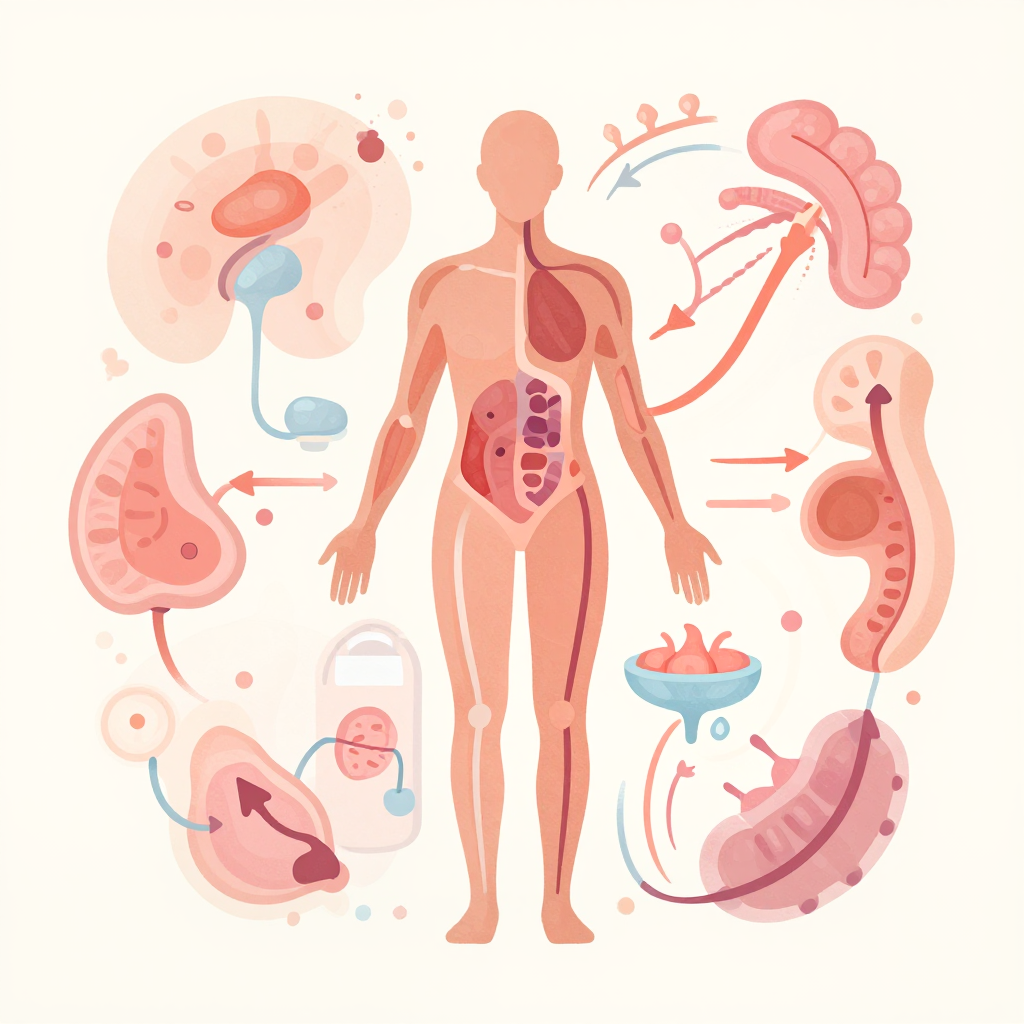
What Really Drives Your Metabolism
Discover what truly affects your basal metabolic rate and how to influence it for better health.
Understanding your Basal Metabolic Rate: What Actually Influences It
In today’s health-conscious landscape, the concept of Basal Metabolic Rate (BMR)—the energy your body needs just to maintain basic life functions at rest—is more complex than ever. While often framed simply as a static number determined by your age and weight, recent research emphasizes that this fundamental rate is highly dynamic and influenced by a constellation of interconnected biological and lifestyle factors. Conventional wisdom is evolving, suggesting that focusing solely on calorie counting misses the larger physiological picture governing how our bodies burn energy.
The evidence points to complex interactions between genetics, hormones, and physical environment in determining BMR. For instance, research exploring the effects of environmental stressors, such as high-altitude hypoxia, has revealed that factors affecting oxygen metabolism can influence lipid metabolism, which in turn impacts overall energy expenditure (Frontiers, 2026-04-07). Furthermore, metabolic regulation is deeply tied to hormonal cycles; the menstrual cycle, for example, directly influences appetite and metabolism, suggesting that hormonal fluctuations play a significant, cyclical role in daily energy needs (News-Medical, 2026-02-08). Beyond immediate hormonal shifts, factors like gut health and the quality of our diet profoundly impact metabolic efficiency. Studies investigating dietary patterns have shown that the type of food consumed, distinguishing between ultraprocessed and minimally processed options, has measurable consequences for weight and cardiometabolic health (Nature, 2025-08-04). Even specific anatomical changes can alter metabolic profiles; for example, surgical interventions like gallbladder removal have been shown to alter resting fat metabolism (Medscape, 2026-02-20). Moreover, emerging research links satiety hormones, such as GLP-1, to broader metabolic health beyond simple weight management, indicating that systemic signaling plays a role in energy regulation (University of California - Davis Health, 2025-11-13).
To support your body’s optimal energy regulation, focus on cultivating a supportive internal environment. Prioritize consistent, high-quality sleep, as adequate rest is foundational for metabolic repair and hormonal balance. Incorporate regular, enjoyable physical activity, as movement directly influences how your body utilizes energy throughout the day. Pay close attention to managing stress levels, since chronic stress can elevate hormones that disrupt metabolic processes. Finally, focus on nourishing your body with whole, unprocessed foods, allowing your gut health to contribute positively to your overall metabolic function.
While we have a growing body of evidence, the exact, singular pathway by which all these numerous interacting factors precisely calculate an individual’s unique BMR remains an area of ongoing scientific exploration.
Sources
- Effects and adaptation of high-altitude hypoxia on lipid metabolism: mechanisms and health implications - Frontiers — Frontiers (2026-04-07)
- Five healthy habits for longevity in your 40s and 50s - Stanford Medicine — Stanford Medicine (2026-01-07)
- Gallbladder Removal Alters Resting Fat Metabolism - Medscape — Medscape (2026-02-20)
- GLP-1 and health: Beyond weight loss in the Ozempic era - University of California - Davis Health — University of California - Davis Health (2025-11-13)
- How the Menstrual Cycle Affects Appetite, Metabolism, and Nutrition - News-Medical — News-Medical (2026-02-08)
- Ultraprocessed or minimally processed diets following healthy dietary guidelines on weight and cardiometabolic health: a randomized, crossover trial - Nature — Nature (2025-08-04)
- You can push past your ‘metabolic ceiling’ – but there’s a huge catch - Runner’s World — Runner’s World (2025-10-22)
- How Color Psychology Affects Moods, Feelings, and Behaviors - Verywell Mind — Verywell Mind (2026-04-14)
- Ultra-endurance athletes can burn up to 8,000 calories per day - Popular Science — Popular Science (2025-10-20)
- Can Coffee Increase Your Metabolism and Help You Burn Fat? - Healthline — Healthline (2025-07-11)