Visceral vs Subcutaneous Fat The Fat You Need to Know
Understand the difference between visceral and subcutaneous fat and why it impacts your health.
Understanding the difference between visceral fat and subcutaneous fat is crucial for anyone looking to optimize their health and manage risk, as the type of fat stored in your body dictates how detrimental it is to your overall well-being. While the general concept of fat is often viewed simply as “bad,” recent research is increasingly pointing toward a specific distinction in fat distribution that matters significantly for metabolic health (Medical News Today, 2026-03-09).
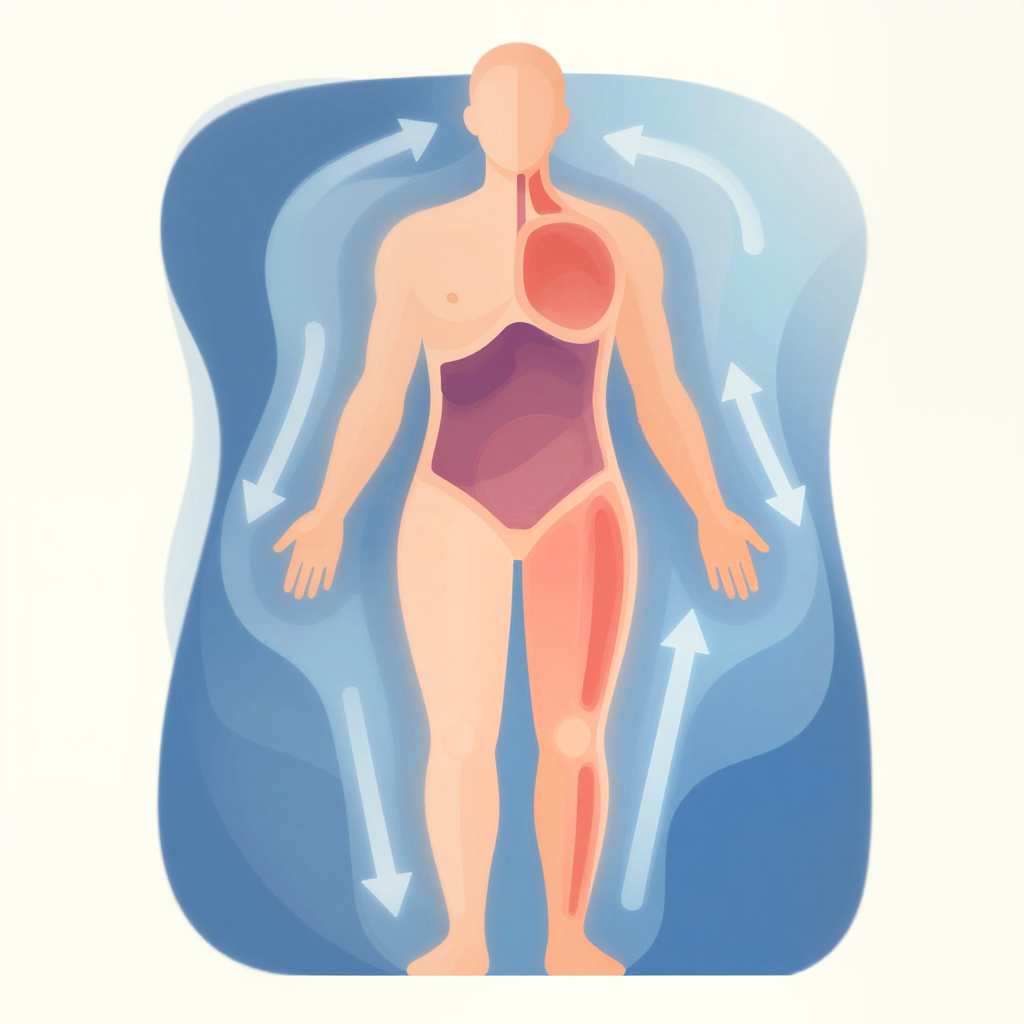
The body stores fat in different locations, and the distinction between visceral fat and subcutaneous fat is vital because they are metabolically distinct. Subcutaneous fat is the fat stored just beneath the skin, which is generally less dangerous when in excess. In contrast, visceral fat is the deep visceral fat that surrounds the internal organs in the abdominal cavity. This visceral fat is particularly insidious because it is highly metabolically active and is strongly linked to increased risks of chronic diseases like type 2 diabetes, heart disease, and certain cancers (Cleveland Clinic Health Essentials, 2025-08-26). Research suggests that visceral fat is more directly associated with adverse metabolic outcomes than subcutaneous fat (Euronews.com, 2025-11-22).
Recent findings emphasize that focusing efforts on reducing visceral fat yields the most significant health benefits. Studies have indicated that lifestyle interventions, including healthy diets and regular exercise, can effectively reduce this dangerous abdominal fat (Anadolu Ajansı, 2025-11-22). For instance, research has shown that healthy dietary changes and increased physical activity can help in cutting this risky belly fat (Euronews.com, 2025-11-22). Furthermore, building muscle plays an indirect but important role, as studies suggest that muscle mass may help protect brain health, which is another component of overall wellness (Women’s Health, 2025-12-08).
Therefore, the focus shifts from simply tracking total body weight to examining where that weight is distributed. Reducing visceral fat through sustainable habits is a powerful step toward improving long-term health markers.
To achieve a healthier distribution of body fat, prioritize a consistent, balanced diet rich in whole foods to support metabolic function. Engage in regular cardiovascular exercise and incorporate strength training to increase muscle mass, which supports overall metabolic health. Focus on consistent, moderate calorie deficits achieved through mindful eating rather than extreme, short-term restrictions.
Ultimately, while the science is clear about the dangers of visceral fat, the precise long-term interaction between specific fat depots and genetic predispositions remains an area still under active investigation.
Sources
- How to get rid of belly fat - Harvard Health — Harvard Health (2025-11-01)
- Are all fats bad? Experts debunk 4 modern truths about fat - Medical News Today — Medical News Today (2026-03-09)
- Which Kind of Body Fat Is More Dangerous? - Cleveland Clinic Health Essentials — Cleveland Clinic Health Essentials (2025-08-26)
- Building Muscle May Protect Your Brain Health, Researchers Find - Women’s Health — Women’s Health (2025-12-08)
- Healthy diet and exercise may cut risky belly fat, UK study finds - Euronews.com — Euronews.com (2025-11-22)
- Exercise, healthy eating may lower dangerous abdominal fat, study suggest - Anadolu Ajansı — Anadolu Ajansı (2025-11-22)
- Hidden belly fat could be ageing your heart – even if you have a healthy weight - BBC Science Focus Magazine — BBC Science Focus Magazine (2025-08-22)
- Belly fat linked to higher risk of 3 cancers - Medical News Today — Medical News Today (2025-09-30)
- Organ-Hugging ‘Skinny Fat’ Puts Health At Risk In People With Normal BMI - StudyFinds — StudyFinds (2025-10-23)
- Reduce belly fat first rather than overall body weight to halt prediabetes, says new study: Why your diet and exercise pattern matter even more - The Indian Express — The Indian Express (2025-10-16)