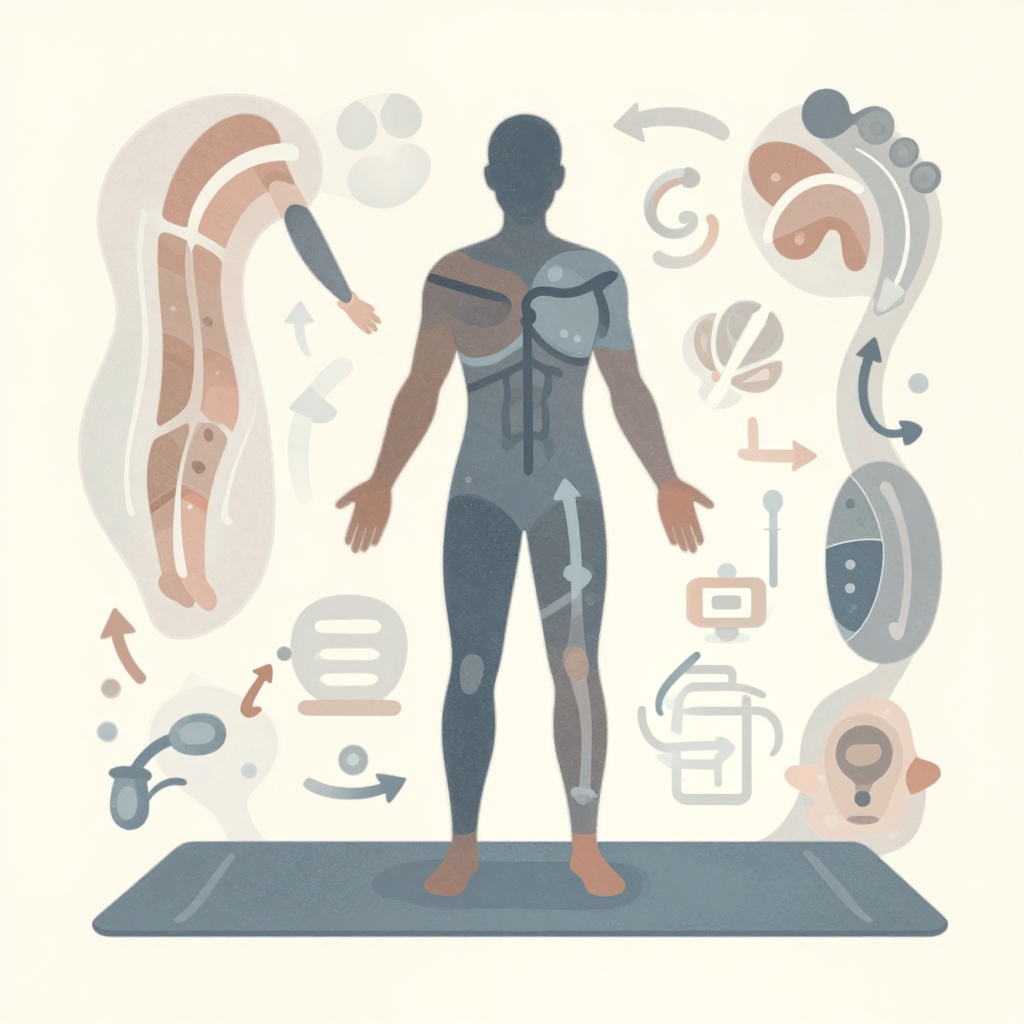
Activate Autophagy Your Body's Self-Cleaning Process
Learn about autophagy, your body's self-cleaning process, and how to activate it for better health.
In our pursuit of optimal health, the concept of cellular self-cleaning—autophagy—is rapidly moving from a niche biological theory to a central focus in longevity and wellness. Conventional wisdom has been evolving as we gain deeper insight into how our cells manage waste and maintain vitality; recent findings suggest that this process is critical not just for cell maintenance but also for mitigating age-related decline and protecting against various diseases (Everyday Health, 2025-12-08). Understanding how these microscopic processes function offers a powerful new avenue for optimizing physical and mental health.
What the evidence tells us about autophagy reveals that it is essentially the body’s internal recycling system. In simple terms, autophagy is the process where cells remove damaged organelles, misfolded proteins, and aggregated materials to recycle their components into new, functional cellular parts (How Autophagy Works? Hunger as Medicine and Cellular Recycling; NCHStats, 2026-03-05). This constant cleanup is vital for preventing the buildup of cellular debris, which is implicated in numerous age-related pathologies. For instance, research connecting autophagy to aging highlights its crucial role in maintaining cellular health (Autophagy Explained: Benefits, Risks, and Health Impact; Everyday Health, 2025-12-08). Furthermore, understanding this mechanism is becoming increasingly important in complex areas like neurodegeneration, suggesting that targeting cellular metabolism might open new therapeutic pathways for managing conditions like Alzheimer’s or Parkinson’s disease (Could targeting neuronal metabolism offer a new path for neurodegenerative disease therapy?; EurekAlert!, 2026-05-28). Scientific exploration is also focusing on the precise machinery behind this process, with newly identified proteins regulating where waste is managed within the cell and how cellular metabolism shifts during these clean-up phases (Newly identified protein regulates lysosome positioning and cellular metabolism; News-Medical, 2026-03-18).
To encourage your body to engage this powerful self-cleaning mechanism, there are several lifestyle adjustments you can implement. Prioritizing regular fasting periods allows the body to shift its energy priorities toward internal maintenance and recycling (First human trial links fasting mimicking diet to cellular renewal; Longevity.Technology, 2026-01-02). Incorporating intermittent fasting patterns gives your cells the necessary downtime to perform this essential work effectively. Consuming a diet rich in whole, nutrient-dense foods supports overall cellular health by providing the building blocks necessary for robust organ function (How Autophagy Works? Hunger as Medicine and Cellular Recycling; NCHStats, 2026-03-05). Additionally, engaging in regular physical activity has been shown to positively influence cellular signaling pathways that support healthy autophagy (Autophagy Explained: Benefits, Risks, and Health Impact; Everyday Health, 2025-12-08). Finally, managing stress levels is important because chronic stress can disrupt metabolic balance, thereby impeding the body’s natural ability to manage cellular waste effectively.
While we are making significant progress in understanding autophagy, the exact regulatory checkpoints and personalized optimal activation strategies for every individual remain areas that require further comprehensive investigation.
Sources
- Autophagy Decline in Older Moms Halts Embryo Development - Neuroscience News — Neuroscience News (2026-06-13)
- How Autophagy Works? Hunger as Medicine and Cellular Recycling - NCHStats — NCHStats (2026-03-05)
- Newly identified protein regulates lysosome positioning and cellular metabolism - News-Medical — News-Medical (2026-03-18)
- Could targeting neuronal metabolism offer a new path for neurodegenerative disease therapy? - EurekAlert! — EurekAlert! (2026-05-28)
- Autophagy Explained: Benefits, Risks, and Health Impact - Everyday Health — Everyday Health (2025-12-08)
- First human trial links fasting mimicking diet to cellular renewal - Longevity.Technology — Longevity.Technology (2026-01-02)
- Neuronal AcCoA Signaling Linked to Autophagy Defects in Alzheimer’s - Neuroscience News — Neuroscience News (2026-05-28)
- The science behind fasting: Shocking findings from Japanese Nobel winner - Gulf News — Gulf News (2026-02-23)
- Herbal terpenoids activate autophagy and mitophagy through modulation of bioenergetics and protect from metabolic stress, sarcopenia and epigenetic aging - Nature — Nature (2025-09-24)
- The interplay between physical exercise and autophagy signaling in brain health, neurodegenerative diseases and aging - Frontiers — Frontiers (2025-07-29)