Senescent Cells The Secret to Aging and Disease
Explore how senescent cells drive aging and disease.
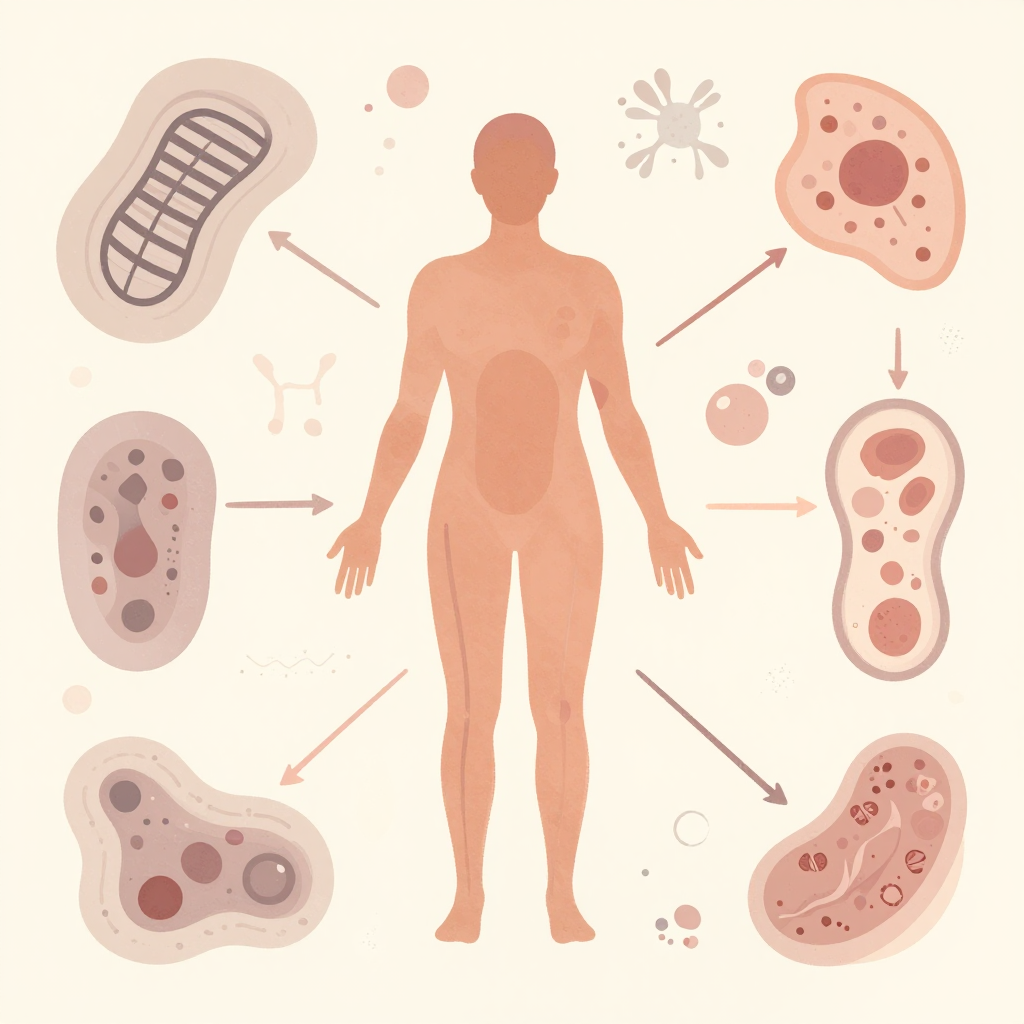
The concept of cellular aging and the cells that accompany it is rapidly shifting from a purely negative view to a more complex understanding. For a long time, aging was viewed as an inevitable decline marked solely by accumulated damage within our cells. However, recent research is illuminating a critical, often paradoxical, role played by a specific population of cells known as senescent cells—cells that have stopped dividing but remain metabolically active. Understanding these “zombie cells” is no longer just academic; it opens up exciting new avenues for treating age-related diseases and potentially extending healthy human lifespan (SciTechDaily, 2026-05-31).
The evidence strongly suggests that senescent cells are not simply cellular debris to be eliminated. They represent a dynamic state in the aging process where cells become dysfunctional but actively engage in signaling within the surrounding tissue (Nature, 2025-08-04). These cells accumulate when cells suffer irreparable damage or are exposed to chronic stress over time, leading them into senescence. Researchers are now developing new frameworks based on this understanding, recognizing senescence as a crucial component of aging and disease pathology (NIH, 2026-06-11). Furthermore, the identification of a large-scale atlas of these cells is providing an unprecedented map of how senescence contributes to various age-related conditions, including Alzheimer’s and other chronic illnesses (Medical Xpress, 2026-06-11; National Institute on Aging, 2025-12-19).
The mechanism behind this complexity involves the release of inflammatory signals. Senescent cells don’t just sit dormant; they secrete a complex mixture of signaling molecules known as the senescence-associated secretory phenotype, or SASP, into the surrounding environment (Hallmarks and mechanisms of cellular senescence in aging and disease, Nature, 2025-08-04). While this chronic, low-grade inflammation is often detrimental to tissue health, the role of these signals is multifaceted. Some studies suggest that in certain contexts, these signals may play a role in tissue repair or maintaining tissue homeostasis (SciTechDaily, 2026-05-31). Moreover, recent therapeutic exploration points toward a potential opportunity: targeting these persistent cells could offer novel treatments for diseases linked to aging, including cancer and age-related decline (ScienceDaily, 2026-05-09). There is emerging interest in methods to clear out senescent cells, as some research indicates that removing them might have beneficial effects on overall healthspan (New drugs could wipe out the “zombie cells” linked to cancer and aging, ScienceDaily, 2026-05-09).
For individuals interested in optimizing their health, focusing on lifestyle factors known to reduce cellular stress is a foundational step. Prioritizing a diet rich in antioxidants and whole foods helps mitigate the oxidative damage that contributes to cellular senescence (National Institute on Aging, 2025-12-19). Incorporating regular, moderate physical activity has been consistently shown to exert anti-aging effects by promoting cellular health across the body. Managing chronic stress through mindfulness and adequate sleep is also essential, as stress hormones can accelerate the aging process within cells. Finally, supporting a healthy gut microbiome through fermented foods and fiber intake contributes to an environment less conducive to inflammation and cellular dysfunction (NIH, 2026-06-11).
While the potential of manipulating senescent cells is immense, we still lack a complete understanding of the long-term consequences of specific therapeutic interventions and the precise interactions between senescence and all facets of human biology.
Sources
- NIH research establishes new framework for the role of senescence in aging - National Institutes of Health (.gov) — National Institutes of Health (.gov) (2026-06-11)
- First large-scale atlas of senescent cells could help inform future therapies for age-related diseases - Medical Xpress — Medical Xpress (2026-06-11)
- Scientists Discover Some “Zombie Cells” May Actually Help You Live Longer - SciTechDaily — SciTechDaily (2026-05-31)
- New drugs could wipe out the “zombie cells” linked to cancer and aging - ScienceDaily — ScienceDaily (2026-05-09)
- Hallmarks and mechanisms of cellular senescence in aging and disease - Nature — Nature (2025-08-04)
- Advances in Aging and Alzheimer’s Research - National Institute on Aging (.gov) — National Institute on Aging (.gov) (2025-12-19)
- AI-Assisted Technique Can Measure & Track Aging Cells - NYU Langone Health — NYU Langone Health (2025-07-08)
- AI Approach Tracks Cell Senescence Using Nuclear Morphology - Genetic Engineering and Biotechnology News — Genetic Engineering and Biotechnology News (2025-07-08)
- Three decades of progress since the discovery of senescence-associated beta-galactosidase - News-Medical — News-Medical (2026-06-05)
- UCLA scientists identify zombie immune cells as a driver of fatty liver disease, inflammation and aging - Newsroom | UCLA — Newsroom | UCLA (2026-04-16)