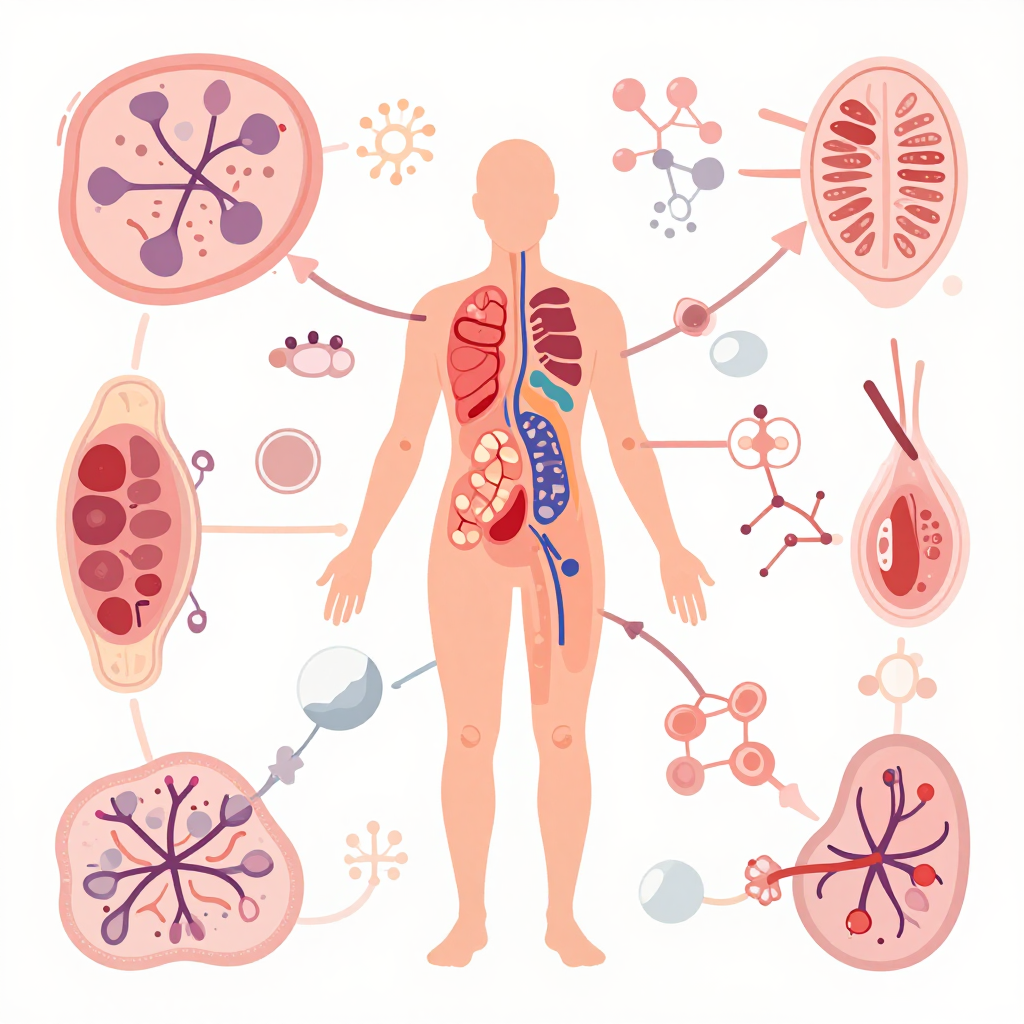
Inflammaging The Hidden Toll of Aging
Learn about inflammaging, the chronic low-grade inflammation linked to aging and its impact on health.
We are living in a time where our understanding of aging is evolving, and one concept taking center stage is inflammaging. This term describes the chronic, low-grade inflammation that occurs throughout the aging process, acting as a fundamental driver of age-related decline. While the idea that aging is simply a matter of wear and tear has been long held, recent scientific research suggests that persistent, unresolved inflammation plays a far more active role in shaping our health outcomes than previously appreciated (The Washington Post, 2025-10-12). Understanding inflammaging is crucial because it links lifestyle choices directly to longevity and quality of life.
The evidence strongly indicates that this persistent low-grade inflammation is not merely a side effect of aging but is an integral part of the aging process itself (Harvard Health, 2025-12-01). Studies examining biological systems, such as those looking at organ chips, confirm the presence of systemic inflammation as a hallmark of aging (Cedars-Sinai, 2026-04-08). The molecular mechanisms driving inflammaging involve complex interactions within our immune systems. Research into the specific triggers and molecular pathways reveals that factors like chronic stress, metabolic dysregulation associated with obesity, and accumulated cellular damage initiate this inflammatory cascade (Frontiers, 2025-12-04; News-Medical, 2026-02-09). For instance, low-grade inflammation is strongly linked to conditions such as obesity and subsequent cognitive impairment (News-Medical, 2026-02-09). Furthermore, the distribution of this inflammation can vary significantly between sexes, and it manifests externally through visible symptoms like skin changes (Frontiers, 2025-12-04).
Fortunately, because inflammaging is driven by modifiable factors, we have powerful tools to influence it. Incorporating a diet rich in polyphenols has been shown in observational studies to be associated with a reduction in overall inflammaging among older adults (Nutrition Insight, 2025-12-15). Focusing on whole foods, particularly fruits, vegetables, nuts, and seeds, provides the necessary anti-inflammatory compounds to help calm internal inflammatory processes. Furthermore, managing weight is critical, as obesity is a major catalyst that fuels chronic inflammation in the body (News-Medical, 2026-02-09). Engaging in regular physical activity plays a complementary role by modulating immune responses and reducing systemic stress signals that contribute to this inflammatory state. Finally, prioritizing quality sleep and managing chronic psychological stress are essential because these factors directly influence the body’s inflammatory regulation (Harvard Health, 2025-12-01).
To actively support your health trajectory, focus on consistently eating a diet abundant in colorful, polyphenol-rich foods to naturally combat inflammation. Make consistent, enjoyable physical activity a non-negotiable part of your daily routine to help manage metabolic stress. Prioritize deep, restorative sleep every night to allow your body the necessary time to repair and regulate its inflammatory balance. Consciously manage emotional stress through mindfulness or relaxation techniques to reduce the constant internal signaling that perpetuates low-grade inflammation.
While we have strong evidence connecting inflammaging to aging and disease risk factors, the precise, unified roadmap for reversing age-related inflammation across all individuals remains an area actively under intensive investigation.
Sources
- Inflammaging in Space: Studying Aging on Organ Chips - Cedars-Sinai — Cedars-Sinai (2026-04-08)
- Is ‘inflammaging’ part of getting older? Here’s what experts say. - The Washington Post — The Washington Post (2025-10-12)
- Inflammaging: triggers, molecular mechanisms, immunological consequences, sex differences, and cutaneous manifestations - Frontiers — Frontiers (2025-12-04)
- How “inflammaging” shapes our health - Harvard Health — Harvard Health (2025-12-01)
- Low-grade inflammation connects aging, obesity and cognitive impairment - News-Medical — News-Medical (2026-02-09)
- Polyphenol-rich diets linked to reduced inflammaging in older adults - Nutrition Insight — Nutrition Insight (2025-12-15)
- Immunosenescence and inflammaging: Mechanisms and modulation through diet and lifestyle - Frontiers — Frontiers (2025-11-21)
- How chocolate supplements could slow down aging — and prevent death by heart disease: study - New York Post — New York Post (2025-09-17)
- Lemurs age without inflammation—and it could change human health forever - ScienceDaily — ScienceDaily (2025-07-10)
- Lifestyle, not age alone, may be driving chronic inflammation - The Times of India — The Times of India (2025-08-08)