Early Arthritis Prevention: Joint Health Secrets
Learn how to protect your joints and prevent early arthritis with essential health tips.
The relationship between our joints and the onset of arthritis is a topic that continues to evolve in health science. While many people associate joint pain with aging or injury, recent research is shifting the focus toward understanding the complex interplay between lifestyle, immune function, and early disease prevention. Conventional wisdom is continually being refined as researchers uncover deeper mechanisms behind inflammatory conditions like rheumatoid arthritis, moving the conversation from solely managing symptoms to actively intervening in the disease’s progression (Reference 2, Reference 3).
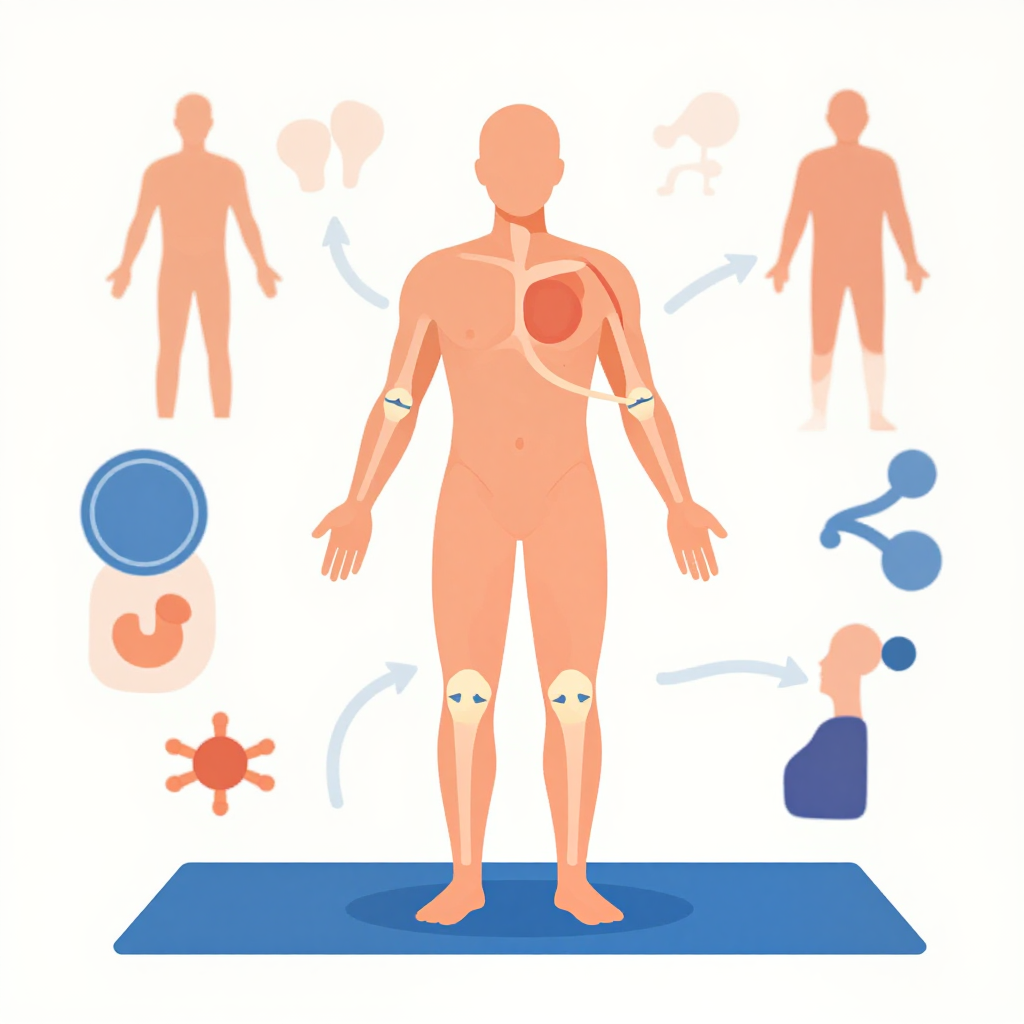
What the evidence currently suggests points toward an immune-driven process initiating joint inflammation long before noticeable pain sets in. Hidden immune warfare plays a crucial role; research indicates that the inflammatory processes underlying conditions like rheumatoid arthritis can begin years before patients experience painful symptoms (Reference 4). This suggests that addressing systemic inflammation is key to preventing joint damage rather than just treating the resulting discomfort. For example, understanding this early phase is transforming how doctors approach prevention strategies for autoimmune diseases (Reference 6). Furthermore, physical activity plays a dual role; while strenuous activities can cause temporary stress, consistent, appropriate movement is vital for maintaining joint health and supporting overall metabolic function (Reference 1).
To proactively protect your joints and reduce the risk of developing arthritis, focus on fostering an environment that supports robust immune regulation. Prioritizing a diet rich in anti-inflammatory foods, such as omega-3 fatty acids found in fish and flaxseeds, provides essential building blocks for healthy joint tissue. Incorporating regular, moderate physical activity helps keep joints flexible and strengthens the muscles that support them (Reference 1). Managing stress levels is also critically important because chronic stress can elevate inflammatory markers within the body (Reference 4). Finally, maintaining a healthy weight significantly lessens the mechanical stress placed on weight-bearing joints like the hips and knees.
You can start making tangible changes today by integrating anti-inflammatory foods into your daily meals consistently. Aim for a balanced routine of gentle movement every day to keep your joints mobile and strong. Practice effective stress management techniques, such as mindfulness or deep breathing, to help calm the body’s inflammatory response. Furthermore, ensure you are getting adequate sleep, as quality rest is essential for the body’s natural healing processes.
While we have a growing understanding of the risk factors, the precise individual triggers and the exact timelines for when these hidden immune processes manifest in an individual remain areas actively being explored by researchers.
Sources
- Does running cause arthritis? - Harvard Health — Harvard Health (2026-03-09)
- Rewriting the future of rheumatoid arthritis: How early detection is transforming prevention - Mayo Clinic News Network — Mayo Clinic News Network (2026-01-28)
- Rheumatoid arthritis has no cure – but researchers are homing in on preventing it - The Conversation — The Conversation (2026-01-23)
- Hidden Immune War Reveals RA Begins Years Before Symptoms - HealthCentral — HealthCentral (2026-01-15)
- 20 Supplements and Vitamins for Arthritis - Verywell Health — Verywell Health (2026-06-07)
- Rheumatoid Arthritis Begins Before the Pain: CU Anschutz Researchers Help Uncover Hidden Early Phase of the Disease - CU Anschutz newsroom — CU Anschutz newsroom (2025-09-24)
- This drug delayed rheumatoid arthritis for years after treatment ended - ScienceDaily — ScienceDaily (2026-06-01)
- Weight-loss drugs may prevent thousands of knee replacements, study suggests - The Guardian — The Guardian (2026-06-02)
- Rheumatoid arthritis: Pretreatment may delay onset by up to 4 years - Medical News Today — Medical News Today (2026-01-29)
- Scientists Find Clues That May Stop Rheumatoid Arthritis Before It Starts - Newsweek — Newsweek (2025-09-24)