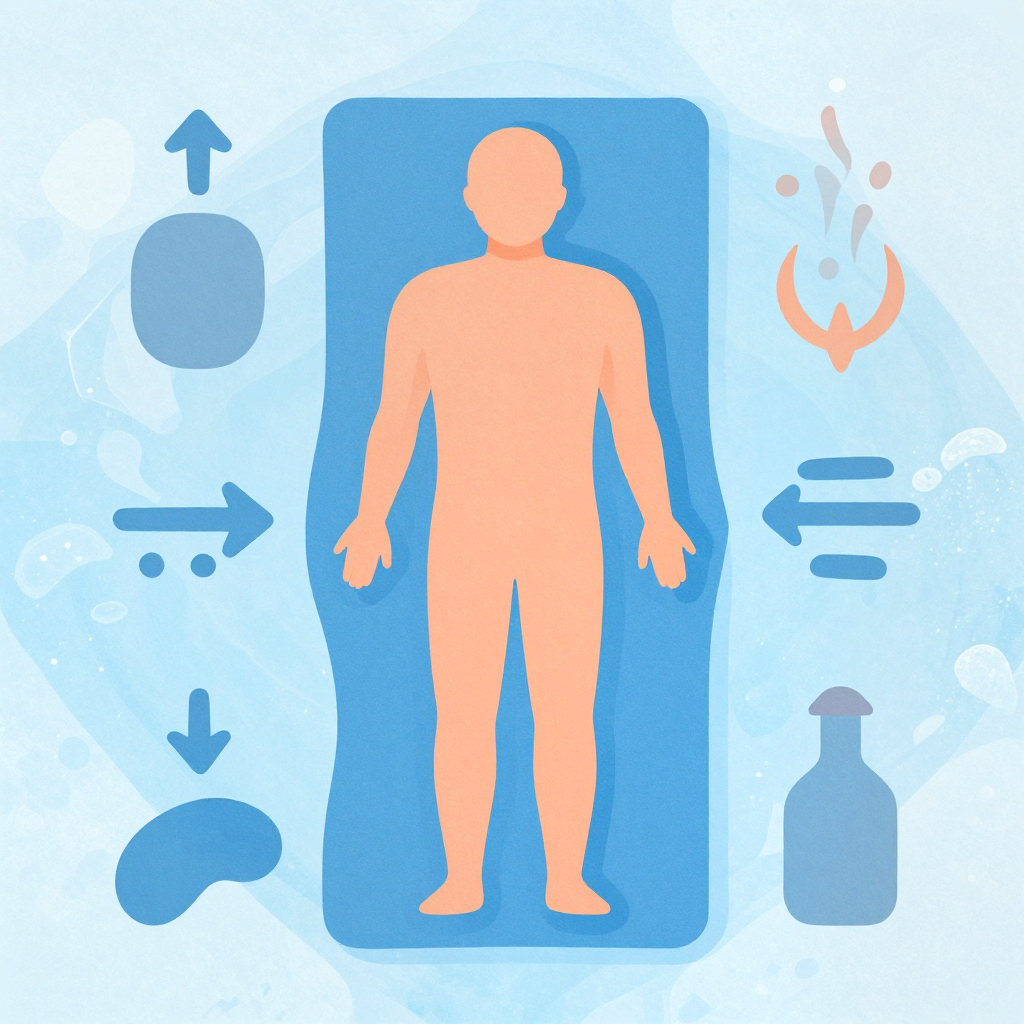
Cold Therapy Facts Ice Baths and Showers
Discover the science behind cold exposure therapy like ice baths and cold showers for improved health.
The wellness landscape is constantly evolving, and recent conversations around how we manage stress, boost energy, and improve overall vitality have brought attention back to ancient practices. Cold exposure therapy, once seen as a niche trend, is now gaining traction as a potential tool for physical and mental well-being. Whether you are looking to reset your system, enhance focus, or find a novel way to manage inflammation, understanding the evidence behind ice baths and cold showers is more important than ever.
What the evidence suggests points toward compelling physiological responses when the body is deliberately exposed to cold. When the body encounters cold water, it initiates a cascade of adaptive responses designed to protect itself. One of the most well-documented effects is on circulation; the shock of cold triggers vasoconstriction, followed by rapid vasodilation upon exiting the cold environment, which can lead to improved blood flow and cardiovascular health over time (Reference 2). Furthermore, this thermal stress appears to stimulate the release of endorphins and norepinephrine, natural mood elevators that can significantly improve feelings of alertness and reduce perceived stress (Reference 4). Some research suggests that this process may help train the body’s resilience to stress by encouraging an adaptive response to mild physiological challenges.
The mechanisms behind these benefits are multifaceted. Exposure to cold water is thought to activate the sympathetic nervous system, initiating a “fight or flight” response, but in controlled settings, this can lead to a subsequent shift toward a state of calm and focused awareness. Additionally, proponents suggest that the process promotes a deeper sense of mindfulness, as focusing on managing the initial discomfort trains the mind to stay present rather than dwelling on external worries (Reference 3). While some studies explore the link between cold exposure and weight management, it is important to note that these benefits are often intertwined with overall lifestyle changes rather than being solely dependent on the temperature itself for weight loss (Reference 5). Furthermore, any claims regarding severe risks, such as those circulating online about strokes, must be contextualized against robust medical research; current findings indicate that for healthy individuals practicing safe cold exposure, the practice is generally safe (Reference 6).
Incorporating cold exposure into your routine can yield tangible daily improvements. Start by beginning with short, intentional cold showers to acclimatize your system gradually. Next, consider trying a brief ice bath once or twice a week to experience the deeper systemic effects. When attempting this, prioritize slow, deep breathing to manage any initial sensations of discomfort. Finally, focus on consistency over intensity; aim for regular, moderate exposure rather than extreme, infrequent sessions.
While the potential benefits are promising, it remains important to recognize that the long-term clinical application and precise mechanisms across all populations continue to be areas of active scientific investigation.
Sources
- 20 things that happen when you take cold showers regularly - qz.com — qz.com (2026-07-10)
- Health Benefits of Cold Plunges - Cleveland Clinic Health Essentials — Cleveland Clinic Health Essentials (2026-05-08)
- Is Taking a Cold Shower Good for You? - Time Magazine — Time Magazine (2025-11-13)
- I Started My Day With a Cold Shower for a Week—Here’s How It Affected My Mood and Energy - Verywell Mind — Verywell Mind (2026-02-25)
- What is the ice hack for weight loss and does it work? - Medical News Today — Medical News Today (2025-09-03)
- Viral post links cold showers to strokes: Here’s what research actually shows - The Times of India — The Times of India (2025-10-24)
- Are Cold Plunges Actually Dangerous for Women? - Verywell Health — Verywell Health (2026-03-24)
- Surprising truths about hot and cold therapies - Heart and Stroke Foundation of Canada — Heart and Stroke Foundation of Canada (2025-09-05)
- The Longevity Benefits of Gentle Contrast Therapy - Goop — Goop (2026-04-16)
- What Is Biohacking? Separating Fact from Hype - Stony Brook Medicine — Stony Brook Medicine (2025-11-10)