Nasal vs Mouth Breathing Health Risks
Learn the health risks of nasal vs. mouth breathing and how it affects your body.
The way we breathe is one of the most fundamental physiological processes, yet it is something we often neglect in our daily lives. In an era where discussions around sleep quality and respiratory health are increasingly prominent, understanding the difference between nasal and mouth breathing is crucial for maintaining optimal physical and mental well-being. While the immediate act of breathing seems automatic, the pathways we use to take in oxygen significantly influence everything from our energy levels to our long-term health outcomes. Recent insights continue to reinforce the idea that subtle changes in breathing patterns can profoundly transform our overall health profile (BBC Science Focus Magazine, 2026-01-02).
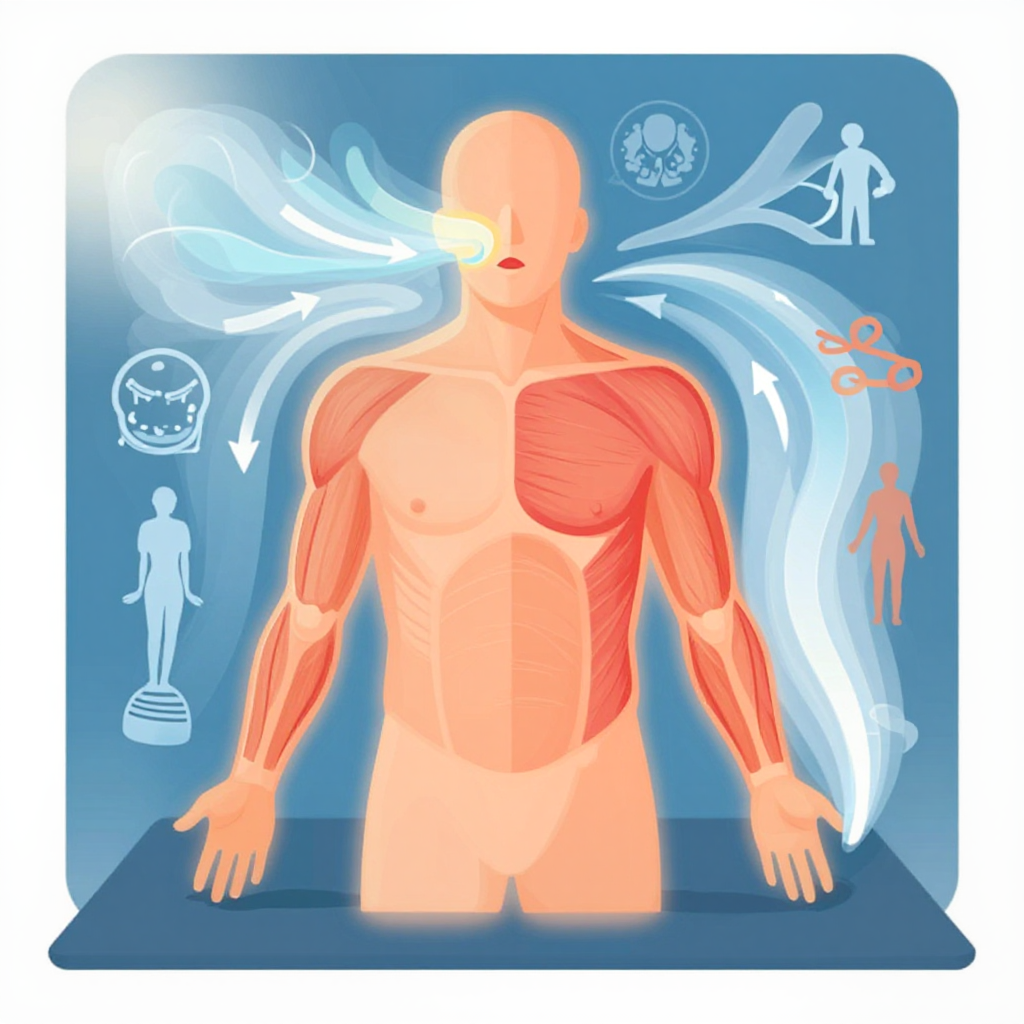
The distinction between nasal and mouth breathing is not just about comfort; it directly impacts how effectively our bodies manage oxygen and regulate the nervous system. Nasal breathing allows air to be naturally filtered, warmed, and humidified before reaching the lungs, which supports respiratory health by minimizing irritation within the airways (Verywell Health, 2025-11-03). When we breathe through the mouth, the air bypasses these natural filtration mechanisms, potentially leading to less efficient oxygen uptake compared to nasal breathing (Verywell Health, 2025-11-03). Research suggests that nasal breathing promotes deeper, slower breaths, which activates the parasympathetic nervous system—the body’s rest and digest mode—helping to lower stress levels immediately (BBC Science Focus Magazine, 2026-01-02). Conversely, mouth breathing can lead to shallower respiration patterns that may contribute to increased systemic stress over time (Verywell Health, 2025-11-03).
Furthermore, the mechanism by which we breathe affects oxygen levels. Studies focusing on the relationship between breathing style and oxygenation indicate that nasal breathing facilitates a more complete exchange of gases, leading to potentially better overall oxygen delivery throughout the body (Verywell Health, 2025-11-03). When people resort to mouth breathing, especially during sleep, the altered respiratory mechanics can interfere with the body’s ability to achieve restorative rest and optimal oxygen saturation levels required for cellular repair (Verywell Health, 2025-11-03). It is important to note that while some materials exist exploring methods like mouth taping for sleep, scientific guidance remains cautious; for instance, doctors have issued warnings against mouth taping during sleep due to potential risks associated with airway obstruction (Neurology Advisor, 2025-10-02).
To improve your breathing health, focus on establishing mindful habits. Make a conscious effort to direct your breath through your nose whenever possible throughout the day. Practice slow, deep inhalations and exhalations to engage the calming effects of nasal respiration. Consider optimizing your sleeping environment to ensure that your airway remains open and unobstructed during rest. Focus on establishing routines that encourage natural, unrestricted nasal breathing for consistent health benefits.
Ultimately, while the impact of our breathing patterns is well-documented in terms of physiological response, the long-term cumulative effects of subtle daily variations remain an area of ongoing investigation.
Sources
- Mouth Tape for Sleep: Benefits, Risks, and How to Use It Safely - HealthCentral — HealthCentral (2026-04-21)
- The Effect of Mouth vs Nose Breathing on Oxygen Levels - Verywell Health — Verywell Health (2025-11-03)
- How small changes to the way you breathe can transform your health - BBC Science Focus Magazine — BBC Science Focus Magazine (2026-01-02)
- Mouth Tape for Better Sleep: Myth or Miracle? - University of Colorado Anschutz — University of Colorado Anschutz (2025-08-29)
- Does taping your mouth while you sleep have benefits? - The Economist — The Economist (2025-11-28)
- Doctors Warn Against Mouth Taping During Sleep - Neurology Advisor — Neurology Advisor (2025-10-02)
- Oral health assessment in a prospective birth cohort study - BDJ Open - Nature — Nature (2026-01-16)
- Side Effects and Safety of Using Nasal Strips Every Night - Everyday Health — Everyday Health (2025-08-28)
- Why TikTok Wants You to Tape Your Mouth Shut During Sleep — and Why Doctors Are Freaking Out - ZME Science — ZME Science (2025-09-29)
- Teeth, Trails, and VO2max: Why Oral Health Matters More Than You Think - iRunFar — iRunFar (2025-11-05)