Toxins Time Cells Aging and Disease
Explore how environmental toxins drive cellular aging and age-related diseases.
The way we perceive aging is shifting from a purely biological process to one deeply intertwined with our external environment. For years, aging was largely viewed as an inevitable decline governed by genetics and internal cellular wear and tear. However, recent research is compelling us to look beyond the genome and recognize the profound role that environmental toxins and persistent chemical exposures play in accelerating this process and driving age-related diseases. Understanding this connection is crucial because it opens new avenues for proactive health management.
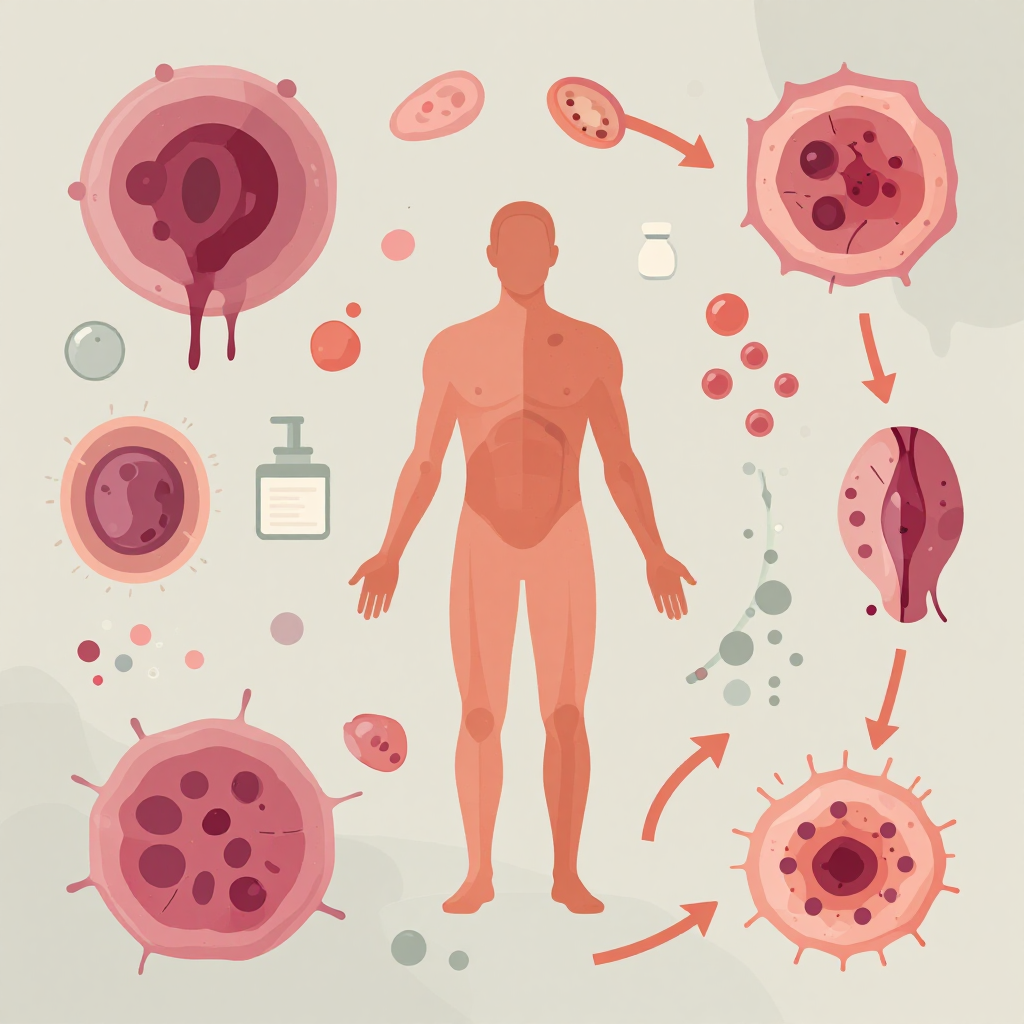
The evidence strongly suggests that our exposure to environmental pollutants contributes significantly to cellular senescence, the state where cells stop dividing but remain metabolically active, eventually contributing to aging and disease (Reference 4). This accelerated aging is linked to chronic inflammation, a condition known as inflammaging, which acts as a central mechanism in many age-related pathologies (Reference 6). Environmental toxins act as potent triggers for this inflammatory cascade within our cells. For instance, concerns surrounding ‘forever chemicals’ have emerged, with studies indicating that exposure to these substances can specifically accelerate aging markers in certain populations (Reference 5). Furthermore, emerging research points to novel physical contaminants, such as nanoplastics, which are now recognized as an emerging environmental concern capable of disrupting cellular health and contributing to age-related diseases (Reference 2). These exposures do not act in isolation; they often converge through pathways like lipid dysregulation, linking environmental burdens to complex conditions like stroke (Reference 1).
The mechanisms linking these external factors to internal aging involve disruptions at the molecular level. Environmental insults can trigger chronic stress responses within the body, leading to persistent inflammation that damages tissues over time. This inflammation erodes the protective functions of various systems, including bone and blood regeneration processes (Reference 3). The health of the bone marrow niche, a critical area for tissue repair and immune function, is itself influenced by these environmental signals and cellular stress markers associated with aging (Reference 3). Therefore, addressing environmental exposure is not just about mitigating immediate harm; it involves managing the underlying inflammatory state that dictates the trajectory of our physiological aging.
To begin navigating this complex relationship between environment and aging, focusing on reducing exposure becomes a key strategy. Prioritizing a reduction in contact with known persistent chemicals and pollutants is an essential first step toward protecting cellular health. Developing robust detoxification pathways through diet and lifestyle supports the body’s natural ability to manage internal stressors caused by environmental burdens. Furthermore, fostering an anti-inflammatory lifestyle helps dampen the inflammatory signals that contribute to accelerated aging processes. Finally, paying close attention to emerging concerns regarding microplastic exposure is becoming increasingly important for long-term wellness planning.
While we are making significant strides in understanding these connections, the precise, individualized dose-response relationship between specific environmental cocktails and the onset of disease remains an area requiring deeper, comprehensive investigation.
Sources
- Lipid dysregulation as a convergent pathway linking environmental exposures to stroke - Frontiers — Frontiers (2026-04-01)
- Nanoplastics: An emerging environmental concern in age-related diseases - ScienceDirect.com — ScienceDirect.com (2025-11-01)
- From complexity to clarity: aging bone marrow niche in bone and blood regeneration and malignancy - Nature — Nature (2026-05-18)
- The Reasons We Age And The Hallmarks of Aging - Lifespan Research Institute — Lifespan Research Institute (2025-12-27)
- ‘Forever Chemicals’ Causing Faster Aging For Men in Their 50s, Study Finds - Healthline — Healthline (2026-03-04)
- Inflammaging: triggers, molecular mechanisms, immunological consequences, sex differences, and cutaneous manifestations - Frontiers — Frontiers (2025-12-04)
- Epigenetic Regulation of Aging and its Rejuvenation - An - 2025 - MedComm - Wiley Online Library — Wiley Online Library (2025-09-01)
- Repurposing Maraviroc: How Senomorphic Therapy Could Reverse Aging Muscle Loss - Intelligent Living — Intelligent Living (2025-12-22)
- The role of cellular senescence in cardiovascular disease - Nature — Nature (2025-10-06)
- Cardiovascular ageing: hallmarks, signaling pathways, diseases and therapeutic targets - Nature — Nature (2026-04-21)