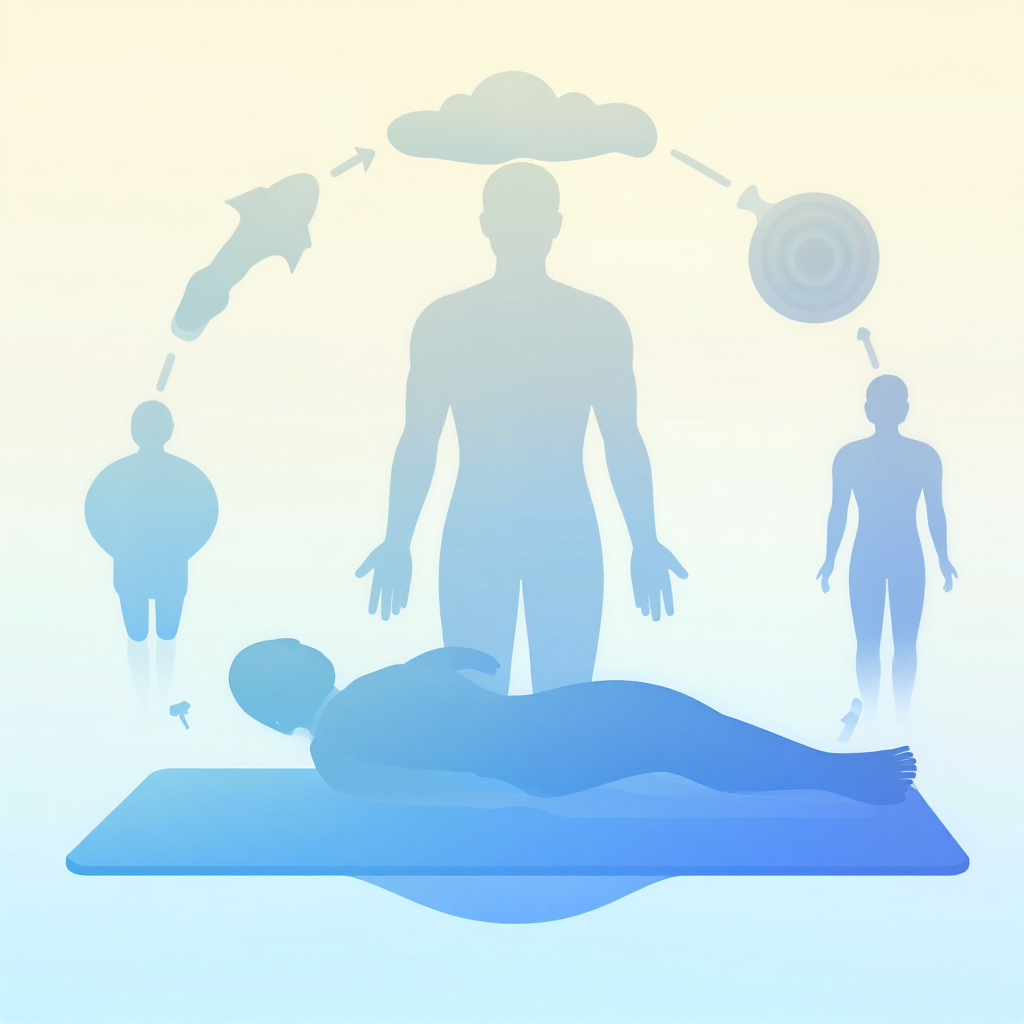
Sensory Deprivation Fades Cognitive Load and Decision Fatigue
Explore how sensory deprivation affects your brain's load and decision-making in today's busy world.
In our relentlessly stimulating modern world, where digital notifications and constant sensory input define our daily existence, understanding how our environment affects our brains is more critical than ever. Conventional wisdom often emphasizes managing stress through mindfulness or simple breaks, but a growing body of research suggests that the very nature of sensory engagement—or deprivation—plays a profound, measurable role in our cognitive capacity and our ability to make sound decisions.
The interplay between sensory input and mental performance is complex and highly individualized. Research into sensory processing sensitivity reveals that how we absorb environmental stimuli directly impacts our cognitive load. For some individuals, the sheer volume of unprocessed sensory data leads to overstimulation, which depletes mental resources faster than expected (Nature, 2025-12-18). This overstimulation forces the brain into a heightened state of vigilance, effectively increasing cognitive load and making complex tasks feel insurmountable. Conversely, controlled sensory deprivation, when managed appropriately, can offer a pathway to reducing this overload. When the external world quiets down, the brain has the necessary downtime to process information without the constant demand for filtering irrelevant noise, which is crucial for managing decision fatigue—the mental exhaustion that sets in from making numerous choices throughout the day (Gila Herald, 2026-07-11).
The mechanisms at play involve how our sensory systems filter and prioritize incoming data. When we are constantly bombarded with competing stimuli, the prefrontal cortex, responsible for executive functions like planning and complex decision-making, becomes significantly taxed (Nature, 2025-12-18). This constant strain directly contributes to decision fatigue, as willpower is a finite resource that depletes quickly when faced with continuous choices (Gila Herald, 2026-07-11). Furthermore, the concept of digital mismatch highlights this issue; the way we interact with technology creates a disconnect between our cognitive capacity and the demands placed upon us, leading to burnout even in high-performing environments (Frontiers, 2026-03-16). This suggests that minimizing unnecessary sensory noise is not just about relaxation; it is a direct strategy for preserving executive function.
Practical strategies exist to leverage this understanding for better mental health. Prioritize creating intentional periods of quiet where you intentionally minimize exposure to visual, auditory, and tactile stimulation to allow your cognitive systems to reset. Schedule deliberate “unplugged” times away from screens and demanding environments to allow the default mode network of the brain to reassert itself. Practice mindful slowing down during routine tasks, paying close attention to the subtle sensory details rather than rushing through them, which helps reduce the friction involved in daily choices. Finally, establish clear boundaries around your environment to prevent constant, low-level demands from draining your mental reserves throughout the day.
While these principles offer powerful tools for managing cognitive load, the precise threshold for optimal sensory experience remains highly personal and dependent on individual neurological baselines.
Sources
- How to Make Healthy Choices Easier When Your Willpower Has Already Run Out - The Gila Herald — The Gila Herald (2026-07-11)
- 15 habits linked to better mental health by research - qz.com — qz.com (2026-06-08)
- Sensory processing sensitivity and overstimulation in daily life: an experience sampling method study - Nature — Nature (2025-12-18)
- Aircraft Carriers: Adverse Health Effects on Personnel - trialsitenews.com — trialsitenews.com (2026-05-29)
- How digital mismatch leads to digital burnout among grassroots public servants in China: the moderating role of leadership care and organizational incentives - Frontiers — Frontiers (2026-03-16)
- A 2025 Study Reveals Moms Are Experiencing A Worrying Type Of Health Decline. Here’s What You Need To Know. - HuffPost — HuffPost (2025-10-15)