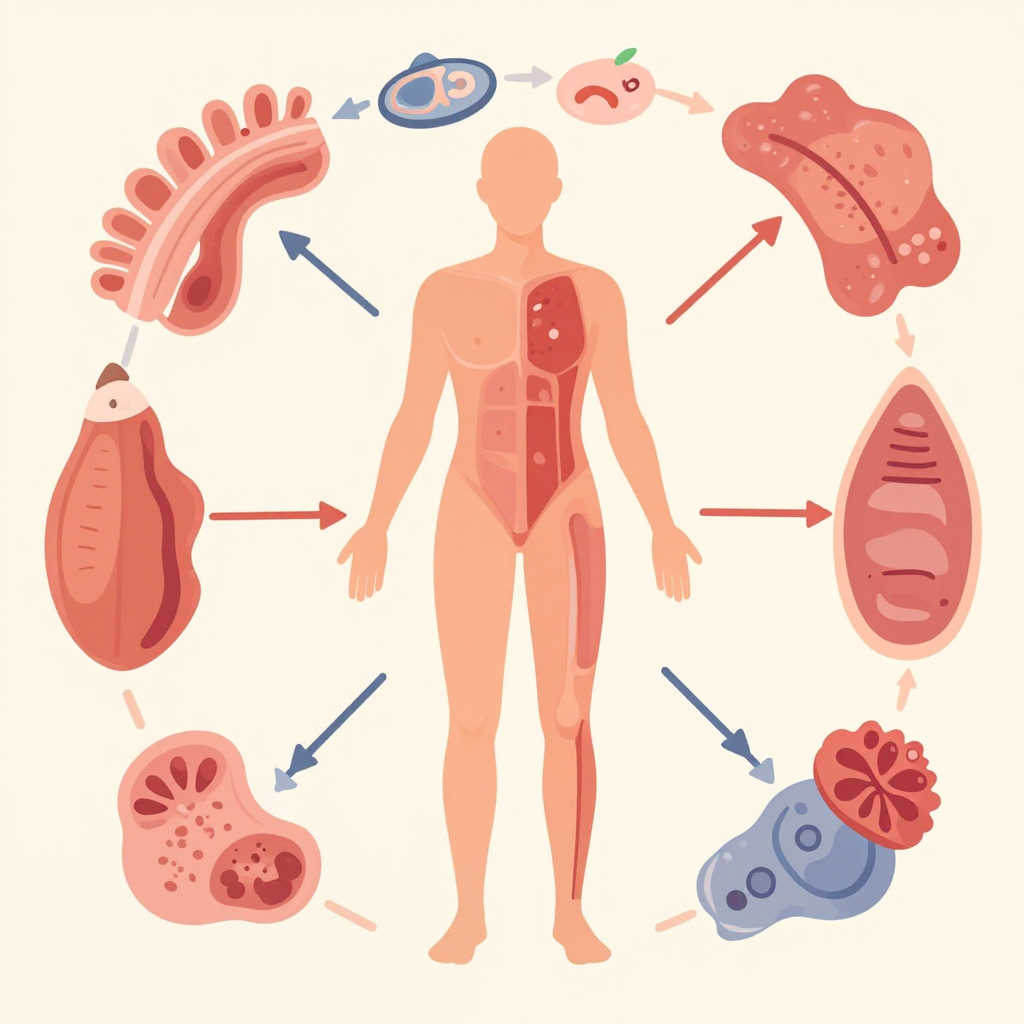
Early Stress Shapes Adult Metabolism Epigenetics
Early life stress shapes adult metabolism through epigenetic changes.
The way we manage stress in childhood doesn’t just shape our emotional responses; it fundamentally programs our bodies for lifelong health outcomes. Conventional wisdom is rapidly evolving as we uncover deep connections between early life experiences and adult metabolic health, moving the focus from simple psychological impact to tangible biological changes within our DNA expression. Understanding this link—the epigenetic influence of early stress on adult metabolism—is crucial because it provides a framework for understanding why lifestyle choices in adulthood have such profound, lasting consequences.
The evidence strongly suggests that stress experienced during critical developmental windows leaves an indelible mark on the body’s machinery, specifically through epigenetic modifications. Epigenetics refers to changes in how genes are turned “on” or “off” without altering the underlying DNA sequence itself; these changes are highly sensitive to environmental input. Research has illuminated pathways where early adversity can program metabolic systems. For instance, stress exposure can alter the regulation of genes involved in appetite control, insulin sensitivity, and fat storage (Reference 4). This programming is not abstract; it translates into tangible differences in how the body handles energy, often leading to increased vulnerability to cardiometabolic diseases later in life (Reference 6). Furthermore, studies are beginning to map these connections across generations, showing that multi-generational trauma can influence these epigenetic landscapes, suggesting a deep biological inheritance of stress responses (Reference 2).
The mechanisms linking early stress to adult metabolism are multifaceted. Stress hormones like cortisol, when elevated chronically during development, can directly induce epigenetic alterations, such as DNA methylation, on genes that govern metabolic regulation (Reference 4). These changes affect how cells communicate with each other and respond to food and energy signals. Moreover, the gut microbiome plays a critical role in this process; the gut-brain-epigenome axis demonstrates that stress impacts the composition of gut bacteria, which in turn influences the production of metabolites that feed back into metabolic programming (Reference 5). Adolescence is highlighted as a particularly sensitive developmental window where nutritional input and stress management have maximal influence over setting these foundational metabolic trajectories (Reference 3).
Understanding these mechanisms shifts our focus toward prevention. Because the biological architecture for metabolic health is set early, interventions aimed at mitigating early stress exposure or positively influencing development can offer significant potential benefits in adulthood. Focusing on creating supportive environments during formative years helps buffer against the negative impact of adversity on subsequent physiological programming (Reference 1).
To navigate these complex connections, consider prioritizing consistent, restorative interactions with your environment during all stages of life. Focus on establishing predictable routines for sleep and nutrition, as these daily consistencies provide a calming signal to the developing nervous system. Engage in activities that promote connection and reduce feelings of threat, allowing your body’s stress response to settle into a more regulated state. Finally, nurturing a healthy gut environment through a balanced diet rich in diverse foods supports the communication pathways essential for metabolic flexibility.
While this research provides a powerful map of causality, we still lack a complete understanding of the precise, individualized thresholds and the full therapeutic potential of reversing these deeply embedded epigenetic signatures across the lifespan.
Sources
- Reorienting catch-up growth research toward early-life prevention of metabolic disorders using natural products - Frontiers — Frontiers (2026-05-06)
- Epigenetic changes associated with multi-generational trauma: characterization, mechanisms, and therapeutics - Frontiers — Frontiers (2026-03-13)
- Adolescence as a key developmental window for nutrition promotion and cardiometabolic disease prevention - Nature — Nature (2025-10-10)
- From trauma to depression: structural, synaptic, epigenetic, and molecular pathways linking early stress to lifelong vulnerability - Frontiers — Frontiers (2025-09-16)
- The microbiota-gut-brain-epigenome axis as a novel therapeutic target for decoding postpartum depression - Frontiers — Frontiers (2026-02-25)
- From Womb to Tomb: A Life-Course Perspective on the Origins of Non-communicable Diseases - Cureus — Cureus (2025-09-25)
- Health disturbances stemming from overcrowding and inadequate housing among indigenous peoples within Canada - Frontiers — Frontiers (2025-12-15)
- Early-Life Sugar Restriction Linked to Age-Related Disease, Biological Aging, and Mortality - bioengineer.org — bioengineer.org (2026-08-01)