Hack Your Body Clock for Peak Brainpower and Energy
Optimize your energy and focus by mastering circadian rhythms beyond just sleep timing for peak cognitive performance.
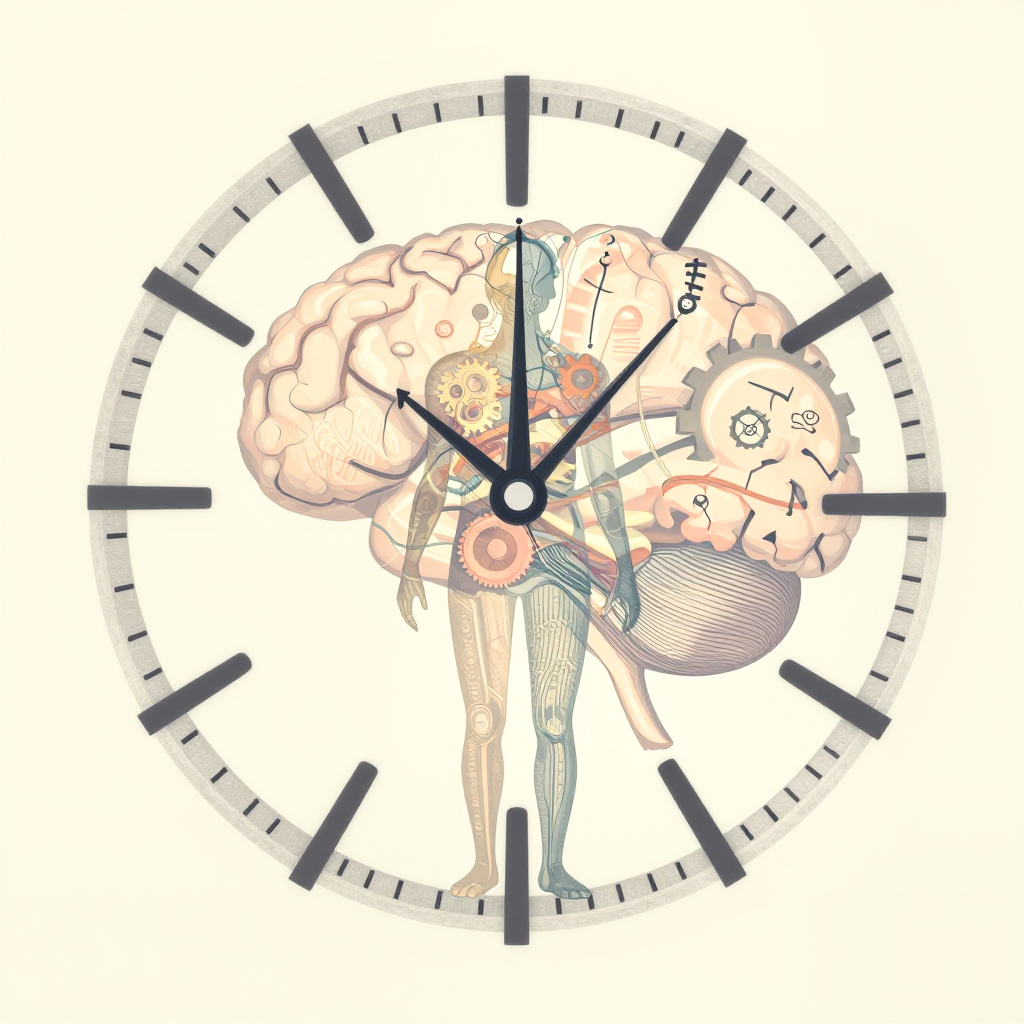
The way we manage our bodies is undergoing a revolution, moving beyond simple sleep timing to explore the deeper symphony of our internal biological clocks. In an era defined by constant information flow, the pursuit of enhanced cognitive performance and sustained energy is no longer about simply getting eight hours of sleep; it is about biohacking the intricate dance of our circadian rhythms. Conventional wisdom is evolving as we uncover the profound influence that seemingly disparate systems—like sleep, gut health, and real-time physiological data—interconnect to dictate our daily vitality (Wellness Trends 2026).
What the evidence suggests points to a holistic view of performance rather than siloed interventions. Our energy levels and mental clarity are deeply modulated by the body’s internal 24-hour cycle, which is heavily influenced by everything from light exposure to gut health (Reference 1). Recent research highlights that the relationship between our physical state and our cognitive output is mediated through factors often overlooked, such as the gut microbiome. For example, studies focusing on the heart rate variability (RHR) suggest a strong connection between gut health and overall energy regulation during sleep (Reference 1). Furthermore, understanding these cycles allows us to move beyond simple time-based routines; personalization is key, as evidenced by the growing trend toward personalized wellness strategies (Reference 2). The integration of continuous biometric data, provided by advanced wearables, is starting to illuminate these subtle correlations, pushing us to appreciate how complex our physiological responses are in real-time (Reference 3, Reference 6).
To harness these rhythms for better performance, focus on synchronizing your environment and internal systems. First, prioritize consistent light exposure upon waking; bright morning light acts as a powerful signal to anchor your circadian clock, resetting the body’s internal timing for the day ahead. Second, actively nurture your gut health through a varied, nutrient-dense diet rich in fermented foods and fiber, recognizing that the gut microbiome plays a crucial role in energy metabolism and mood regulation (Reference 4). Third, leverage data from wearable technology not just for tracking sleep duration, but to understand the correlation between your physiological metrics, like RHR, and your perceived energy levels across different times of the day. Finally, establish non-negotiable routines that deliberately support deep recovery, understanding that true biohacking involves optimizing these interconnected cycles rather than chasing single endpoints.
While we are making remarkable strides in understanding these biological connections, the precise mechanisms linking every individual’s unique genetics to their optimal circadian setting remain an area of ongoing, nuanced scientific exploration.
Sources
- RHR: Beyond the Gut: The Microbiome’s Role in Sleep, Energy, and Longevity, with Dr. Zain Kassam - chriskresser.com — chriskresser.com (2026-03-10)
- Wellness Trends 2026: Personalization, Prevention & Real-Life Well-Being Take Over - Dr. Axe — Dr. Axe (2026-01-21)
- Is it possible for a fitness tracker to give you too much data? Ultrahuman’s Ring Air definitely pushes the limits. - Business Insider — Business Insider (2025-09-05)
- Biohacking the human gut microbiome for precision health and therapeutic innovation - Frontiers — Frontiers (2026-03-11)
- 26 Longevity Trends That Will Define 2026 - Hone Health — Hone Health (2025-12-12)
- Ultrahuman Ring AIR Launches as Best Sleep Tracker Ring of 2025 with No Subscription Fees - ACCESS Newswire — ACCESS Newswire (2025-06-03)
- NeuroEnergizer Audio Program Launches: Theta Brainwave Sound Tech Targets Brain Fog and Mental Fatigue in 2025 - newswire.com — newswire.com (2025-07-01)