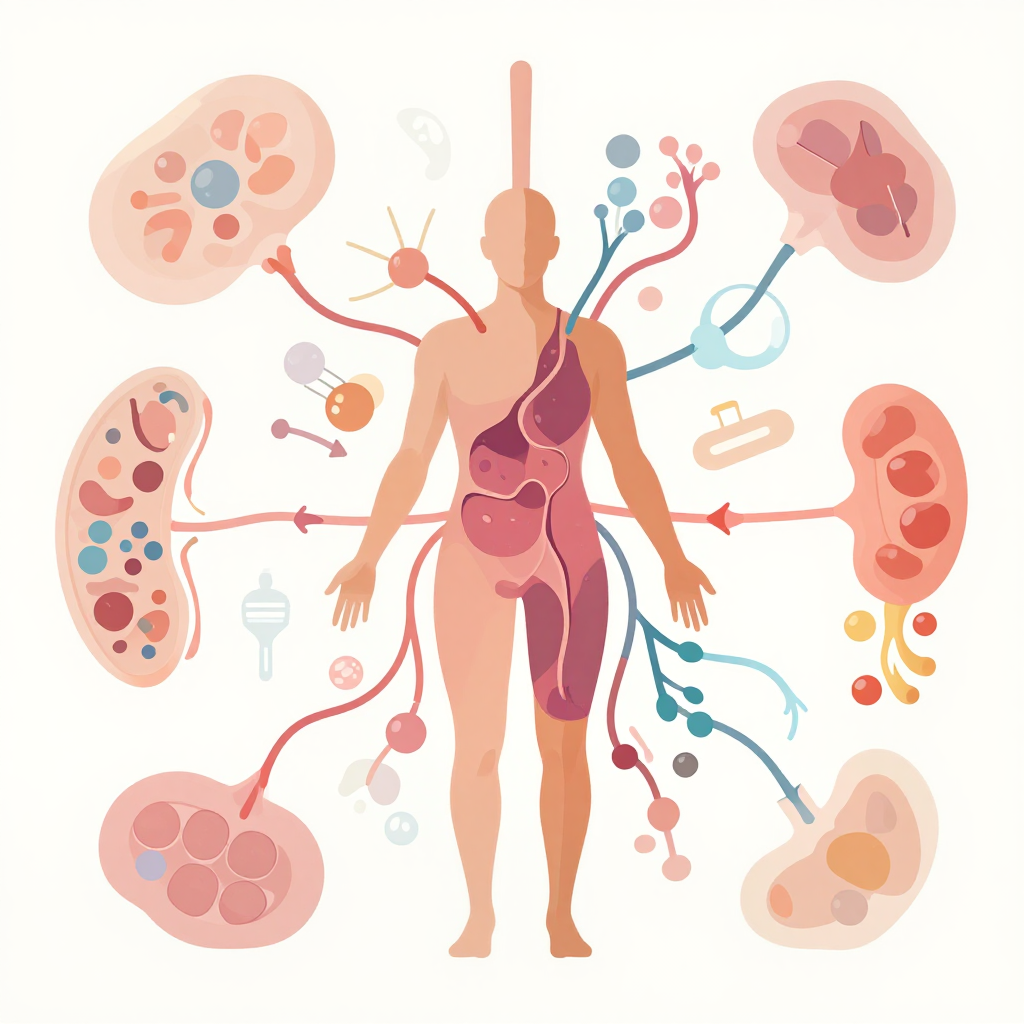
Protein Types Fueling Cellular Energy and Mitochondria
Explore how different dietary proteins boost cellular energy and mitochondrial growth.
The way we eat is fundamentally linked to how our bodies produce energy and maintain cellular health. In recent years, the focus has shifted beyond simply consuming enough protein to build muscle; we are increasingly understanding that the type of protein we consume plays a critical role in fueling our mitochondria—the powerhouses inside our cells. Understanding dietary protein variation moves us from a one-size-fits-all approach to a personalized strategy for optimizing metabolic function and longevity.
The concept that all protein is equal has been revised by newer research focusing on the biological role of amino acid profiles and the gut microbiome interaction. Different protein sources deliver unique combinations of essential amino acids, and these differences influence how efficiently our cells can utilize the building blocks for energy production. For example, whey protein is rich in leucine, an amino acid strongly implicated in stimulating muscle protein synthesis, which indirectly supports overall anabolic signaling. Conversely, plant-based proteins often introduce beneficial polyphenols and fiber alongside the protein, which contribute positively to insulin sensitivity and reduce systemic inflammation—factors that are crucial regulators of mitochondrial health. Fermented proteins, such as those found in tempeh or certain cheeses, offer an added layer by improving the bioavailability of nutrients and supporting a healthier gut environment, which is intrinsically linked to mitochondrial function via the gut-brain axis.
The mechanism linking protein quality to cellular energy involves mitochondrial biogenesis, which is the process of creating new mitochondria to increase aerobic capacity. When the diet provides sufficient high-quality amino acids, signals are sent that encourage the activation of pathways like PGC-1$\alpha$, a master regulator of mitochondrial biogenesis. Studies analyzing animal and human trials suggest that diets rich in diverse protein sources stimulate this process effectively. The source matters not just for the raw building blocks but also for the signaling molecules generated during digestion. A diet consistently providing varied amino acid profiles appears to be more effective at upregulating these cellular machinery processes than diets dominated by a single source, regardless of total protein intake.
Practical takeaways center on intentional variety in your daily food choices. Aim to incorporate a mix of sources like lean meats, legumes, dairy, and nuts throughout the week to ensure you are accessing a broad spectrum of amino acids. Prioritize fermented foods as a regular addition to boost gut health, recognizing that a healthy gut is foundational to energy metabolism. Experiment with different protein options based on how your body responds, paying attention to energy levels and digestive comfort rather than strictly adhering to one dogma. Finally, focus on consuming whole, minimally processed foods where the protein originates, as this often maximizes the delivery of synergistic nutrients needed for optimal cellular energy.
Ultimately, while dietary variation offers powerful levers for optimizing metabolic health, the exact long-term, personalized dose-response relationship between specific protein profiles and peak mitochondrial density remains an area actively being researched.