Gut Barrier and Autoimmunity: Unlocking Mucosal Immunity
Explore how gut barrier health influences autoimmune disease through mucosal immunity.
The foundation of our immune health is increasingly being recognized as residing not just in the organs themselves, but in the intricate ecosystem lining our digestive tract. The concept of the enteric barrier, a specialized lining that separates the gut from the rest of the body, is proving to be a critical gatekeeper for systemic health and disease modulation, especially concerning autoimmune conditions. Recent research is shifting the focus from viewing the gut as merely a site of digestion to understanding it as a dynamic immunological organ where the microbiome plays an active role in regulating the immune system (Reference 4). This evolving understanding underscores why maintaining the integrity of this mucosal barrier is paramount for managing chronic inflammatory and autoimmune diseases today.
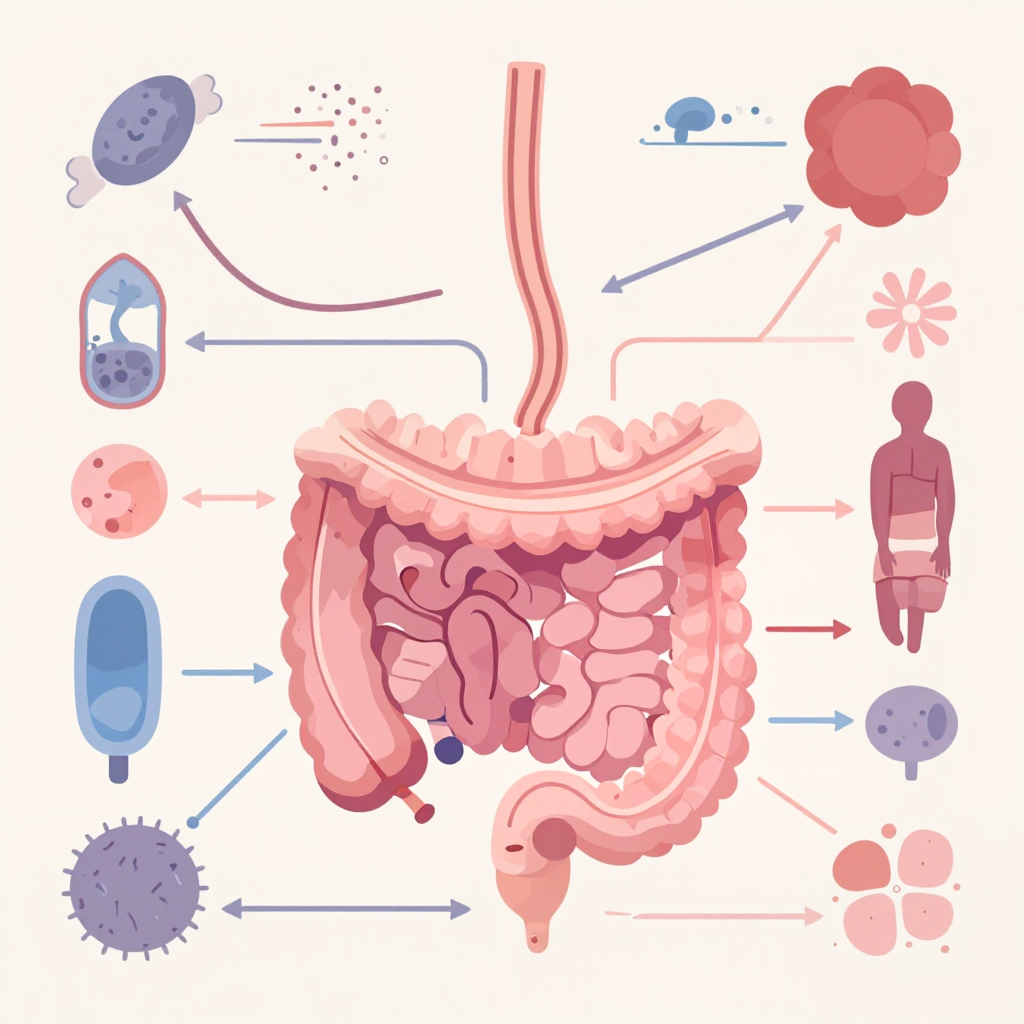
The evidence strongly suggests that the health of the gut lining directly influences the body’s ability to manage autoimmunity through the mechanism of mucosal immunity. The physical barrier provided by the intestinal wall interacts constantly with trillions of bacteria, creating a complex dialogue known as the gut-immune axis (Reference 6). When this barrier integrity is compromised, it allows for increased exposure of microbial products that can trigger inflammation throughout the body. For instance, research into conditions like IgA nephropathy highlights how specific interactions between the gut and the kidneys are regulated by mucosal immunomodulation (Reference 1). Furthermore, the composition of the microbiota itself produces metabolites that act as signaling molecules, directly influencing immune cell activity in the gut and beyond (Reference 2). This process is not limited to the gut; signals travel through the oral-gut axis, demonstrating how local microbial environments dictate systemic inflammatory responses (Reference 3). Studies focusing on irritable bowel syndrome further illustrate this link, emphasizing that alterations in the microbiota profoundly affect the immune system’s sensitivity to stress and inflammation (Reference 5).
Understanding these mechanisms reveals that supporting the mucosal immune environment is a powerful strategy for modulating autoimmune activity. Maintaining a robust gut barrier helps prevent the translocation of harmful substances into the bloodstream, thereby dampening chronic systemic inflammation often seen in autoimmune diseases. Focusing on feeding the beneficial bacteria within the gut encourages the production of short-chain fatty acids and other immunoregulatory compounds that directly fine-tune immune responses at the mucosal level (Reference 2). This focus shifts therapeutic goals toward restoring local balance rather than just suppressing symptoms downstream.
To support your body’s innate ability to manage inflammation, focus on consistently nourishing the gut environment. Prioritize a diet rich in diverse fibers from whole foods to feed a healthy microbial community. Introduce fermented foods regularly as a way to support beneficial bacterial populations. Engage in activities that promote stress reduction, as the connection between the gut and the brain directly influences immune regulation. Finally, prioritize adequate rest and hydration, recognizing these holistic factors in maintaining overall physiological balance.
While the role of the enteric barrier is clear, the precise, granular details of how specific microbial metabolites translate into targeted anti-autoimmune effects across all autoimmune conditions remain an area actively being explored by the scientific community.
Sources
- Precision targeting of gut-kidney axis: mucosal immunomodulation in IgA nephropathy—a perspective - Frontiers — Frontiers (2026-02-20)
- Mucosa-associated bacteria and metabolites in inflammatory bowel disease: from inside to insight - Nature — Nature (2026-01-30)
- Oral microbiota–driven immune modulation along the oral–gut axis: from local signals to systemic inflammation - Nature — Nature (2026-01-10)
- Interaction between gut microbiota and immunity in health and intestinal disease - Frontiers — Frontiers (2025-10-27)
- Gut microbiota in irritable bowel syndrome: a narrative review of mechanisms and microbiome-based therapies - Frontiers — Frontiers (2025-11-06)
- Beyond the gut: decoding the gut–immune–brain axis in health and disease - Nature — Nature (2025-08-14)
- The link between gut microbiota and multiple sclerosis from the perspective of barrier function - Frontiers — Frontiers (2025-09-25)
- Urolithin A activates aryl hydrocarbon receptor-NLRP6-mediated pathways in intestinal epithelial cells to modulate mucosal immunity and strengthen gut barrier integrity - Nature — Nature (2026-06-23)
- Gut microbiota: a promising new target in immune tolerance - Frontiers — Frontiers (2025-09-01)
- The role of gut microbiota in autoimmune thyroid diseases: nutritional determinants and diet-based modulation - Frontiers — Frontiers (2026-01-31)