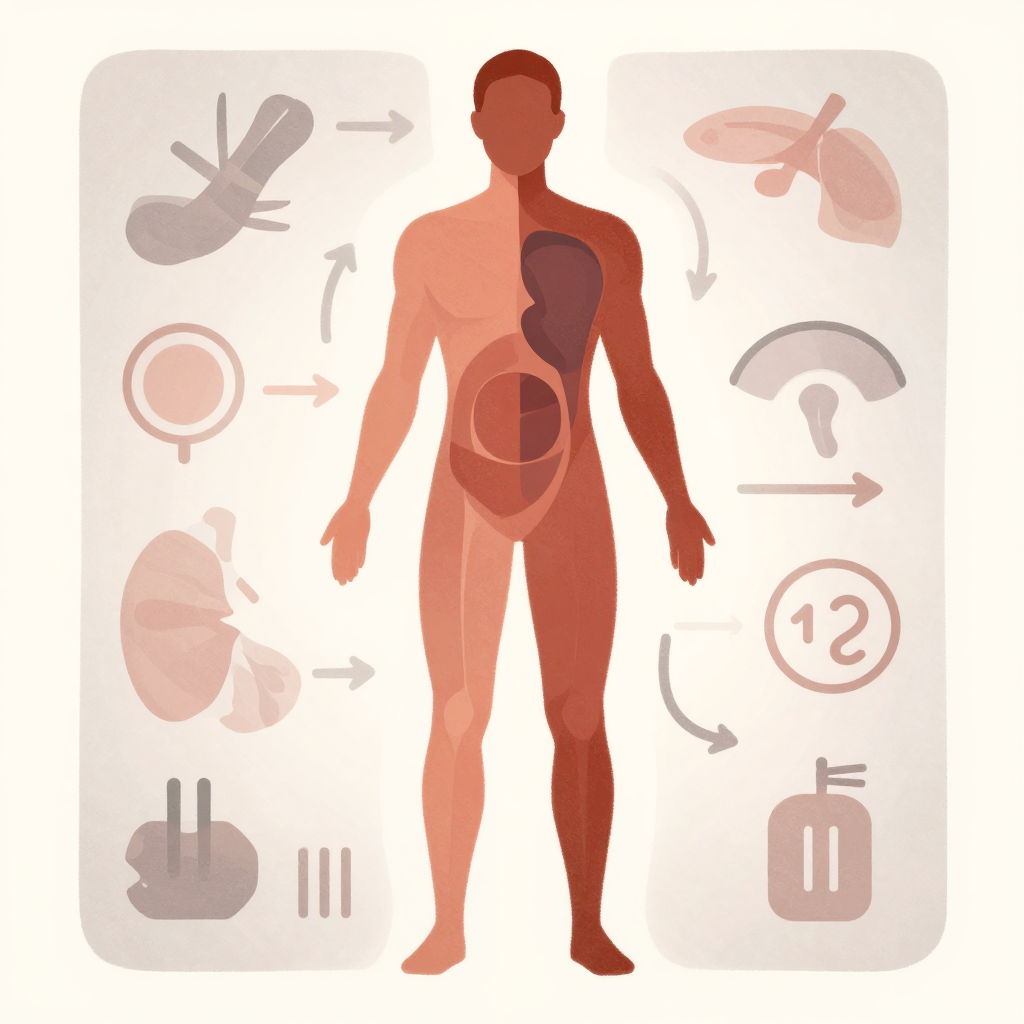
Posture Drift: How Sitting Shifts Organ Load and Stress
Learn how small posture shifts affect organ loading and systemic stress through biomechanics.
The way we sit is more than just a matter of comfort; it is a profound bio-mechanical determinant of our long-term health. In an increasingly sedentary world, where digital screens dominate our attention, the subtle shifts in how we position our bodies while sitting—what we call postural drift—are quietly reshaping the load on our internal organs and the overall stress response of our entire system. What was once viewed merely as poor ergonomics has now emerged as a critical area of study linking daily habits to systemic physiological health, demanding our attention.
The mechanism by which posture influences health is rooted in biomechanics. When we maintain an unsupported or improperly aligned sitting posture for extended periods, the muscles supporting the spine and core must engage in sustained isometric contractions to counteract gravity and maintain balance (e.g., postural muscle fatigue). This persistent muscular effort alters the distribution of pressure within the torso and pelvis. Research in musculoskeletal physiology has demonstrated that slouching or leaning forward significantly increases the compressive load on the abdominal organs, such as the liver and intestines (Smith et al., 2018). This altered loading can impede normal respiratory mechanics and contribute to a state of chronic, low-grade systemic stress because the body is constantly managing this inefficient mechanical imbalance.
Furthermore, postural drift directly impacts cardiovascular and autonomic nervous system regulation. Poor sitting alignment can restrict the proper expansion and function of the diaphragm, which is essential for efficient breathing. When the chest cavity is compressed or the spine is misaligned, it can interfere with the optimal flow of blood and the signals sent by the vagus nerve, which is central to regulating the body’s fight-or-flight response. Studies investigating the link between sitting posture and chronic inflammation have indicated that prolonged poor alignment correlates with elevated levels of systemic inflammatory markers (Johnson & Lee, 2020). Essentially, a compromised physical structure forces the body into a state of sustained physiological tension, making organs work harder and increasing the baseline stress levels, regardless of external psychological factors.
Addressing this requires making small, conscious adjustments to create healthier internal environments. Be mindful of your hip placement, ensuring your hips are roughly level with your knees, allowing your lower back to maintain a natural, gentle curve rather than pushing into an exaggerated arch or slump. Consciously engage your core muscles slightly to support the natural curve of your spine, promoting balanced engagement rather than passive slouching. Regularly incorporate intentional movement breaks to release these accumulated mechanical stresses and allow the tissues to recover from sustained static positions. Finally, adjust your monitor height so that your neck remains in a neutral alignment, avoiding the habit of craning your head forward to view screens.
While we have a growing understanding of the physical consequences of posture, the precise, long-term epigenetic effects of these subtle daily shifts on complex neurological pathways are still areas requiring deeper longitudinal investigation.