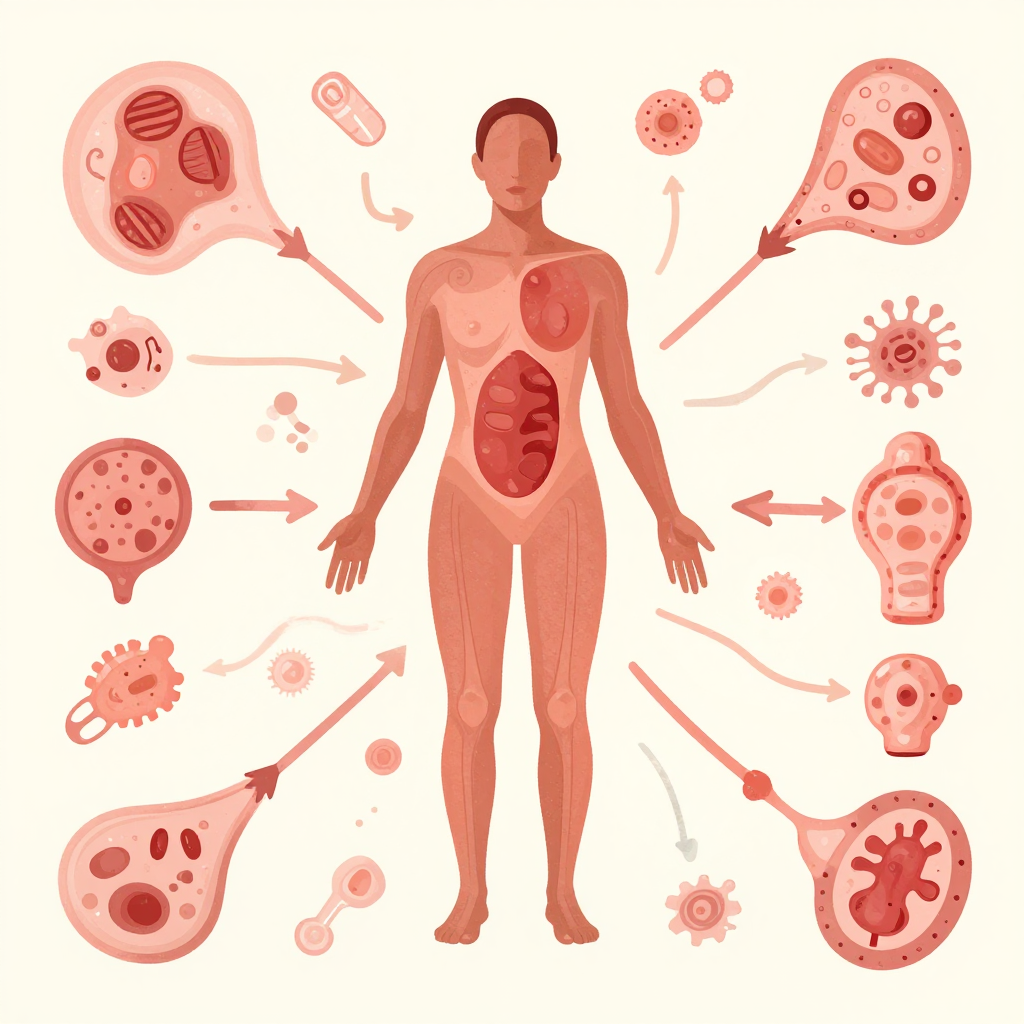
Toxins Age Cells Endocrine Disruptors Epigenetics
Learn how environmental toxins and endocrine disruptors silently age your cells through epigenetic changes.
The way we perceive aging is rapidly evolving, shifting from a purely chronological marker to a dynamic biological process deeply influenced by our surroundings. Recently, the focus in health and wellness has moved beyond simply managing symptoms to understanding the root causes of systemic decline. At the heart of this shift lies the understanding that our bodies are not static machines but living systems constantly being programmed by the environment, and this programming is fundamentally linked to cellular aging through the mechanisms of endocrine disruption and epigenetic reprogramming.
The evidence strongly suggests that exposure to environmental toxins, particularly endocrine-disrupting chemicals (EDCs), poses a silent threat to cellular health. EDCs are substances—found in plastics, pesticides, and certain household products—that mimic or interfere with the body’s natural hormones. This interference doesn’t just cause immediate physiological changes; it acts directly on the epigenome, which is essentially the instructions dictating how our genes are turned on and off without changing the underlying DNA sequence itself (Reference 1). Epigenetics refers to these modifications that dictate gene expression, and when environmental signals are present, they can lead to epigenetic reprogramming, altering cellular function in ways that predispose the body to age-related diseases (Reference 3).
Furthermore, the interplay between metabolism and epigenetics reveals a deeper connection to aging. Emerging research highlights how metabolic disruptions caused by these toxins influence the way cells regulate their internal processes, linking diet, metabolism, and epigenetic markers to complex health outcomes like cancer risk (Reference 2). This means that the toxins we absorb don’t just cause visible damage; they subtly rewrite the cellular operating system, influencing how our bodies handle energy, inflammation, and repair over time. The concept is that persistent exposure can lock cells into aging patterns faster than natural senescence would dictate.
Understanding this framework points toward powerful avenues for intervention. We can actively work to mitigate these impacts by focusing on detoxification pathways within the body through supporting healthy metabolism. Prioritizing high-quality nutrition rich in antioxidants helps buffer cellular stress caused by environmental insults (Reference 3). Furthermore, lifestyle adjustments that reduce chronic stress and improve sleep quality provide the necessary internal stability for the body to repair epigenetic imbalances. Finally, seeking out ways to support cellular repair mechanisms can help reverse some of the detrimental reprogramming effects.
To address the silent impact of these environmental factors, focus on cleaning your exposure through mindful consumption of food and minimizing exposure to known endocrine disruptors. Support robust metabolic health by prioritizing whole foods and engaging in regular physical activity to enhance natural detoxification processes. Cultivate a restorative internal environment by practicing stress reduction techniques like deep breathing and ensuring consistent, high-quality sleep. Encourage the body’s inherent ability to repair itself by focusing on nutrition that provides essential building blocks for cellular maintenance.
While this research offers a powerful roadmap for understanding environmental influence, we still do not have complete, definitive knowledge regarding the precise long-term cumulative effects of complex mixtures of environmental toxins across the entire human lifespan.
Sources
- The role of epigenetics in women’s reproductive health: the impact of environmental factors - Frontiers — Frontiers (2024-09-13)
- The emerging intertwined activities of metabolism and epigenetics unveils culprits and prospects in cancer - Nature — Nature (2025-09-12)
- Epigenetic Regulation of Aging and its Rejuvenation - An - 2025 - MedComm - Wiley Online Library — Wiley Online Library (2025-09-01)