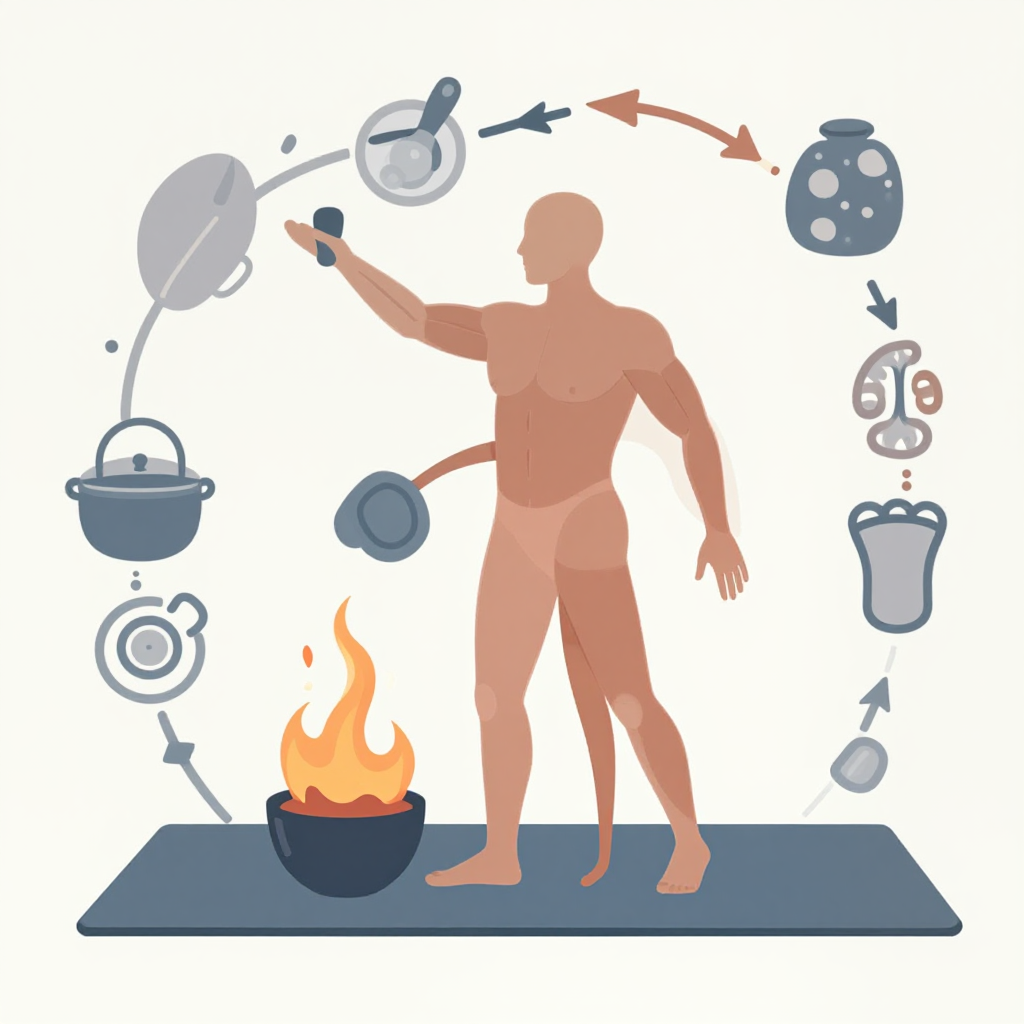
Cooking Energy Costs Your Metabolism
Discover the hidden energy cost of different cooking methods and how it impacts your metabolism.
The way we cook our food is often treated as a simple matter of culinary preference, but the actual process of preparing meals carries a significant, often underestimated, metabolic energy cost. In an era increasingly focused on optimizing health, weight management, and longevity, understanding this hidden energy expenditure reveals that not all cooking methods are created equal when it comes to maximizing our body’s potential.
The reality is that cooking requires energy, and the type of energy expended depends heavily on the method employed. Cooking techniques like high-heat searing or deep-frying demand significantly more energy than gentle steaming or slow simmering. This difference stems from the energy required to raise the temperature of the cooking vessel and the thermodynamics involved in transferring heat into the food (science of heat transfer). For instance, methods involving high-temperature fat application, such as deep frying, result in a substantial caloric load not just from the ingredients themselves, but from the energy input necessary for the process. Furthermore, simmering or baking allows food to cook at lower overall thermal inputs, which can be more efficient for the body over time.
The metabolic burden is amplified by the choice of fat used. Fats, especially saturated and processed fats, require more digestive and metabolic energy to process compared to healthier, less calorically dense alternatives. Studies investigating dietary patterns have consistently shown that methods prioritizing whole, unprocessed ingredients cooked gently result in a lower overall energetic drain relative to the nutritional return. Conversely, aggressive cooking techniques can lead to the breakdown of beneficial compounds or introduce undesirable byproducts, adding further unseen costs to our metabolic system beyond simple caloric intake. This nuance challenges the outdated notion that simply eating “healthy” food automatically equates to low energy expenditure during preparation.
Understanding these dynamics shifts the focus from simply counting calories ingested to understanding the total energy cost cycle involved in nutrition. When we favor methods that minimize added fat and maximize gentle cooking, we are not just making healthier food choices; we are engaging in a more energy-efficient way of fueling our bodies throughout the day. This conscious shift recognizes that preparation is an active metabolic process, not a passive waiting period.
To make these considerations actionable, choose slower cooking methods like roasting or stewing when possible to reduce the intense thermal demands on your kitchen. Opt for steaming vegetables instead of aggressively sautéing them in large amounts of oil to significantly decrease the energy required for preparation. Incorporate batch cooking strategies to minimize the repeated, inefficient energy expenditure associated with making multiple small meals throughout the week. Finally, prioritize utilizing water-based cooking or air-frying over deep frying whenever feasible to substantially lower the overall metabolic footprint of your meal preparation.
Ultimately, while we have better understanding of the physics of cooking and nutrition, the precise, individualized energetic cost for every specific meal combination remains a complex area that continues to be refined through ongoing research.