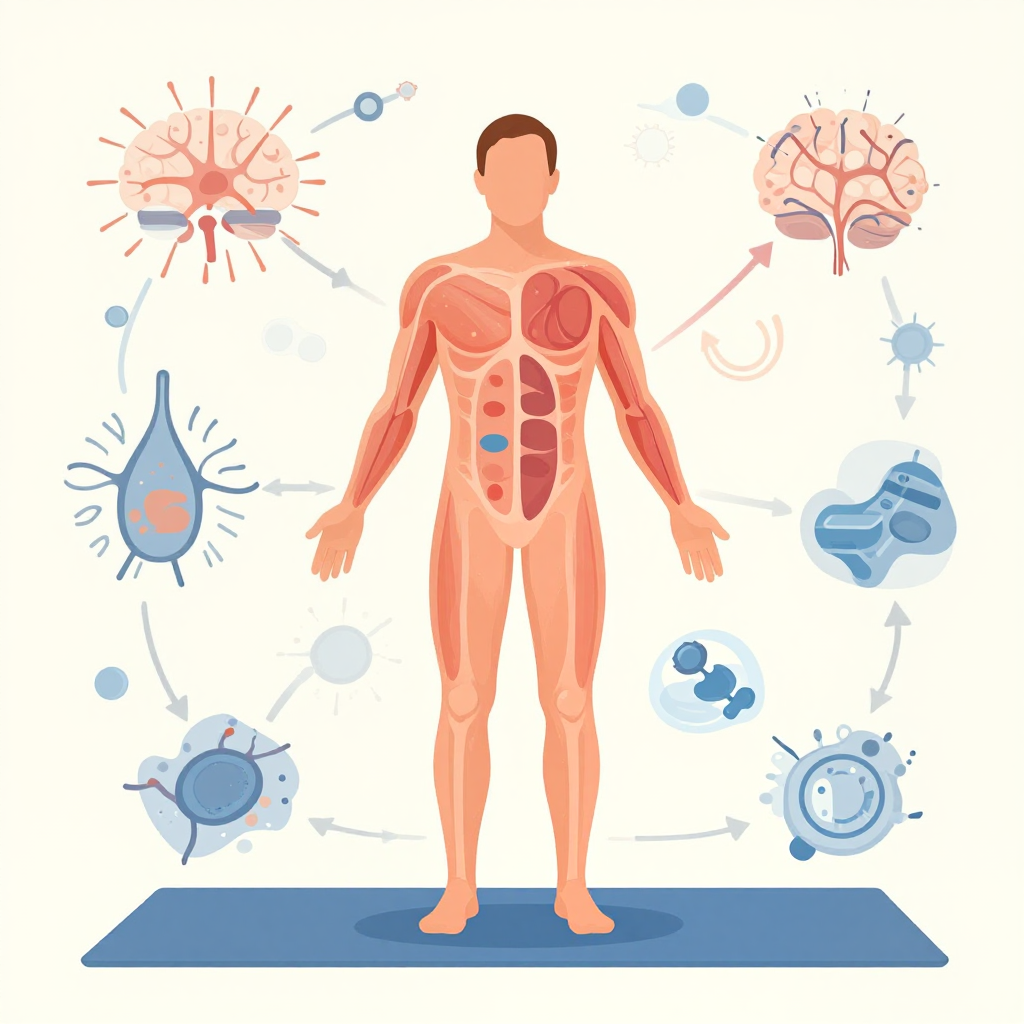
Autophagy: Fueling Brain Power and Learning
Learn how cellular autophagy impacts brain health, cognitive resilience, and learning ability.
The way our cells manage internal waste is far more complex than simply consuming calories; this process, known as cellular autophagy, is now emerging as a critical regulator of brain health and cognitive resilience. As we look toward optimizing lifelong mental acuity, the focus is shifting from just feeding the brain to ensuring its cellular environment is clean and highly efficient (Reference 3). Understanding how regulating autophagy impacts learning capacity and resistance to age-related decline is no longer fringe science but a central theme in modern neuroscience and nutrition.
The evidence strongly suggests that dysregulated autophagy contributes to cognitive decline, particularly as we consider conditions like Alzheimer’s disease (Reference 1). Autophagy is the body’s cellular recycling system, where damaged proteins and waste products are cleared out for cellular repair and maintenance. When this process becomes inefficient, it leads to the accumulation of toxic byproducts within brain cells, which can impair synaptic function and overall cognitive performance (Reference 3). Recent research is exploring how metabolic signals influence this process; for instance, intermittent fasting has been implicated in neuroprotection through specific cellular signaling pathways involving brain-peripheral crosstalk (Reference 1). Furthermore, understanding brain-specific cellular interactions is vital; recent work focusing on astrocytes suggests they play a dynamic role in maintaining brain health, acting as either guardians or modulators of neuronal function (Reference 2). By optimizing the autophagy machinery, we may be able to enhance the resilience of our neurons against oxidative stress and cellular aging.
The connection between cellular cleanup and mental sharpness is reinforced by the concept of nutritional timing. Intermittent fasting acts as a hormetic signal, meaning it triggers adaptive responses in the body that promote stronger resilience (Reference 6). When cells are effectively clearing out cellular debris, they operate more efficiently, which provides the necessary environment for new learning pathways to form and consolidate memories effectively. Furthermore, certain dietary components support this process; foods rich in compounds like spermidine have demonstrated benefits related to anti-aging processes, suggesting a nutritional pathway to bolster these internal maintenance mechanisms (Reference 4). This integrated view suggests that supporting robust autophagy is not just about longevity but directly feeds into maintaining the capacity for complex cognitive tasks and stress adaptation (Reference 5).
To support your brain’s ability to learn and adapt, prioritize consistent, mindful eating patterns. Incorporate periodic fasting windows to give your body a regular opportunity to initiate cellular housekeeping processes. Focus on nutrient-dense foods rich in antioxidants and compounds that support cellular integrity, allowing the metabolic pathways necessary for efficient autophagy to thrive. Finally, manage chronic stress, recognizing that optimizing internal cellular health is intrinsically linked to building mental fortitude and resilience against daily pressures.
While the precise moment-to-moment regulation of autophagy within individual neurons remains an area of intense investigation, the overall systemic benefits of supporting healthy cellular recycling are clearly observable across neurological health.
Sources
- Intermittent fasting and neuroprotection in Alzheimer’s disease: metabolic mechanisms, cellular signaling, and brain-peripheral crosstalk - Frontiers — Frontiers (2026-05-04)
- The rise of astrocytes: are they guardians or troublemakers of the brain disorder? | Experimental & Molecular Medicine - nature.com — nature.com (2026-02-05)
- The transcriptional and cellular landscape of cognitive resilience to Alzheimer’s disease - Frontiers — Frontiers (2025-11-10)
- Spermidine-Rich Foods and Their Anti-Aging Benefits - News-Medical — News-Medical (2025-11-10)
- Does Fasting Have Mental Health Benefits? - Verywell Mind — Verywell Mind (2026-02-04)
- Nutritional timing and stress biology: intermittent fasting as a hormetic signal for adaptation - Frontiers — Frontiers (2026-04-17)