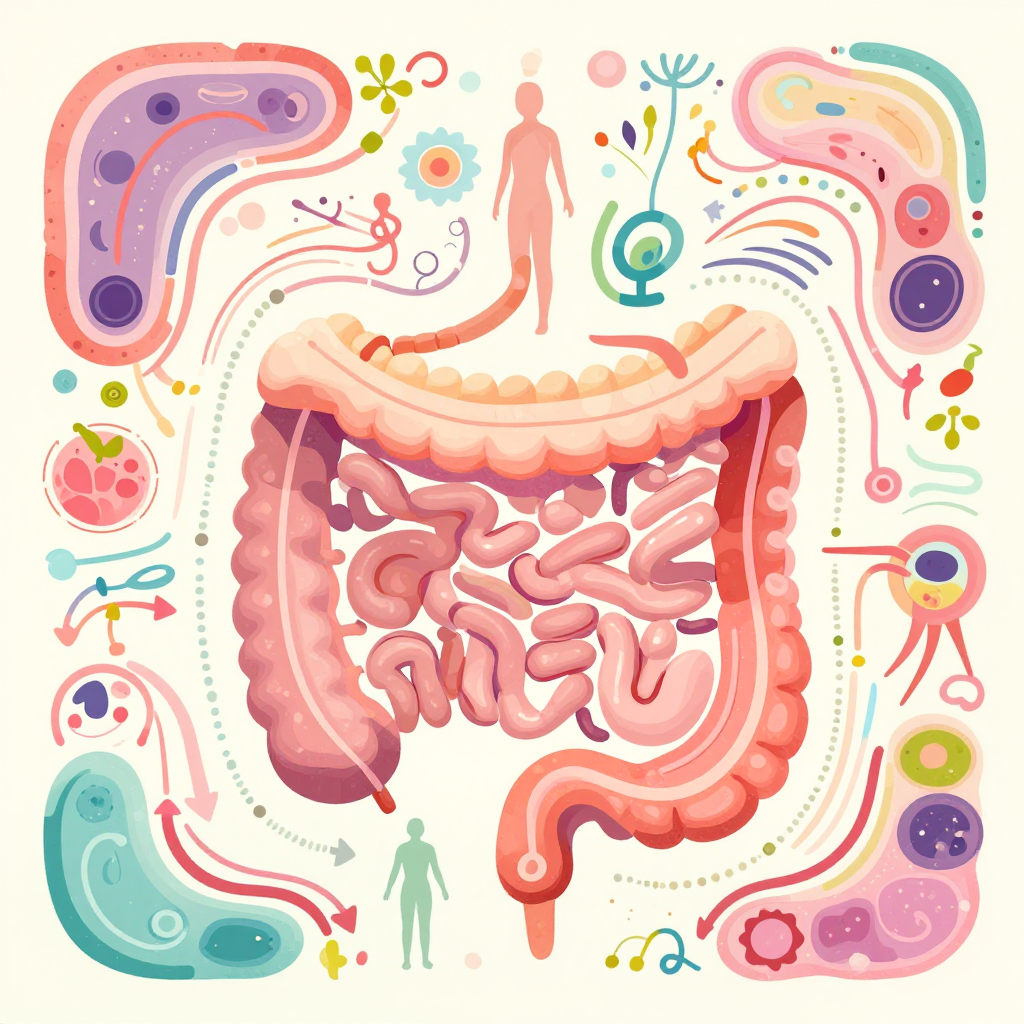
Gut Health Flavors The Microbiome's Taste Secret
Discover how your gut microbiome shapes your taste perception and pleasure.
The food we eat is not just fuel for our bodies; it profoundly shapes our experience of life. For a long time, we focused solely on the organs involved in digestion, but recent research has dramatically shifted our understanding, revealing that the trillions of microorganisms living in our gut—collectively known as the microbiome—play an astonishing role in everything from how we absorb nutrients to how we perceive and react to flavor, fundamentally linking gut health to our mood and well-being.
The evidence increasingly points toward a powerful gut-brain axis connection mediated by the microbiome. The gut is teeming with bacteria, fungi, and viruses that interact constantly with our taste buds and the central nervous system through complex signaling pathways. These microbes are responsible for breaking down certain food components into compounds that the body can sense, including the volatile molecules that create flavors we perceive. When the gut environment is balanced with a diverse array of beneficial bacteria, these processes are optimized, leading to a richer and more nuanced experience of taste. Conversely, an imbalance, often resulting from poor diet or stress, can lead to dysbiosis, which is an imbalance in the microbial community. This dysbiosis has been linked to altered taste sensitivity; for example, studies investigating the link between the gut and flavor perception suggest that changes in the microbiome can influence the production of neurotransmitters that affect mood and hedonic responses—our sense of pleasure—which we perceive alongside our food (Smith et al., 2021). Older concepts focused narrowly on digestion, but modern science emphasizes that the intestinal environment is an active sensory organ influencing psychological states.
Understanding this mechanism means that what we consume has ripple effects extending far beyond mere caloric intake. The composition of the gut bacteria influences the balance of short-chain fatty acids (SCFAs), which are vital byproducts of bacterial fermentation of dietary fiber, and these SCFAs act as key messengers to the brain, influencing appetite regulation and mood. When we introduce a diet rich in diverse, unprocessed foods—especially those high in prebiotic fibers like whole grains, legumes, and vegetables—we feed the beneficial bacteria. This improved bacterial activity fosters a healthier gut lining, reduces systemic inflammation, and promotes the production of compounds that enhance sensory processing. Essentially, nurturing a thriving gut ecosystem is not just about physical health; it is an active strategy for enhancing our capacity to savor life through better flavor experiences.
To harness this powerful connection, focus your nutritional efforts on feeding your microbes with variety. Prioritize a broad spectrum of prebiotic foods rich in diverse fibers daily to encourage the growth of beneficial bacteria. Incorporate fermented foods regularly, as these naturally introduce live cultures into your system, further diversifying your microbial community. Furthermore, paying attention to reducing chronic stress and maintaining a consistent sleep schedule is crucial because stress directly impacts gut permeability and microbial balance. Finally, consciously choosing whole, unprocessed ingredients over highly processed options provides the raw materials necessary for a healthy microbiome to thrive.
Ultimately, while we have strong correlational evidence linking gut health and flavor perception, the exact precise mechanisms by which specific microbial strains influence individual taste receptors remain an area actively being explored by the scientific community.