Taste's Secret Link to Mood and Appetite via Microbes
Discover how gut microbes signal mood and appetite through taste neurobiology.
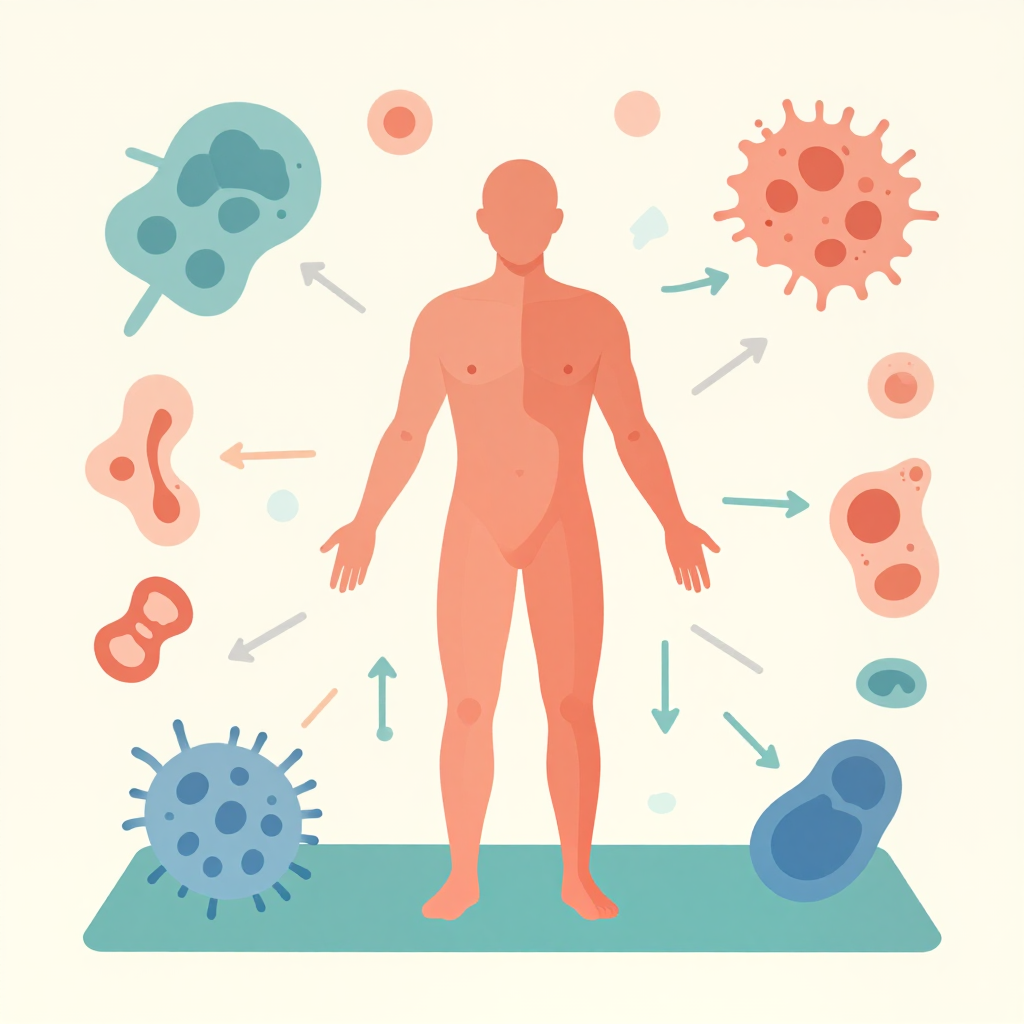
We often think of taste as a purely sensory experience—a chemical reaction on the tongue that simply tells us whether something is sweet or sour. However, a revolutionary understanding is emerging: taste is far more than just what we perceive; it is a powerful communication system deeply interwoven with our brain’s emotional and metabolic centers. Recent research firmly establishes that the microbial world residing in our gut actively signals our mood and controls our appetite through the production of metabolites, forging an undeniable link between our digestive health and our psychological well-being (Reference 1). This shift moves us away from viewing the gut as merely a processing organ to understanding it as a critical third brain influencing our entire experience of food.
The mechanism connecting the gut microbes to our brain is often called the gut-brain axis, and the taste experience is a key pathway along this connection. The trillions of bacteria in our digestive tract constantly ferment the food we eat, producing various metabolites, including short-chain fatty acids (SCFAs), which are essential byproducts of this fermentation (Reference 2). These microbial byproducts travel through the bloodstream to communicate directly with the central nervous system. Specialized cells within the gut lining, known as enteroendocrine cells, act as sensors, detecting these chemical signals and relaying information about the microbial activity back to the brain, influencing hunger hormones and mood regulation (Reference 2). Furthermore, the neural mechanisms governing how we prefer certain tastes are complex, involving intricate pathways where sensory input integrates with internal signals derived from the gut (Reference 3). This means that the flavors we enjoy, and consequently our cravings, are not just dictated by the food itself but are modulated by the composition of our gut microbiome.
Understanding this neurobiological interplay suggests that what we eat impacts how we feel, and conversely, our emotional state can influence what we seek out in our food choices. Dysbiosis, an imbalance in the gut microbiome, has been implicated in mood disorders, demonstrating that a disturbed gut environment can directly alter the chemical signals that drive appetite and reward processing (Reference 3). For instance, changes in SCFA levels resulting from microbial activity can influence the release of neurotransmitters that regulate feelings of satiety and pleasure, linking the physical act of tasting to our emotional state (Reference 1). This demonstrates that the biological systems governing taste are deeply integrated with our psychological landscape.
To leverage this knowledge for better well-being, we can focus on nourishing the microbial ecosystem as a direct route to improved mood and appetite control. Prioritizing a diet rich in diverse, unprocessed fibers provides the necessary fuel for beneficial gut bacteria to thrive and produce supportive metabolites. Consuming fermented foods and whole foods naturally introduces these beneficial microorganisms into the system, fostering a healthier communication line between the gut and the brain. Paying attention to hydration and stress management is also crucial because these factors directly impact the delicate balance of the gut environment that dictates taste perception and hunger signals. Finally, engaging in mindful eating practices allows us to become more attuned to the subtle feedback our body provides regarding what truly satisfies us emotionally and physically.
Ultimately, while the connections between microbial metabolites, taste, mood, and appetite are increasingly illuminated by new science, the exact, moment-to-moment interplay within the entire complex gut-brain axis remains an area of ongoing, deep investigation.
Sources
- The gut-brain connection: What the science says - Stanford Medicine — Stanford Medicine (2025-03-06)
- Enteroendocrine cell regulation of the gut-brain axis - Frontiers — Frontiers (2023-11-07)
- Neural mechanisms of food preference and reward processing: a review of multifaceted influencing factors and intervention strategies - Frontiers — Frontiers (2026-03-25)
- Mechanisms of postoperative anorexia in surgical patients: a narrative review - Frontiers — Frontiers (2026-02-16)