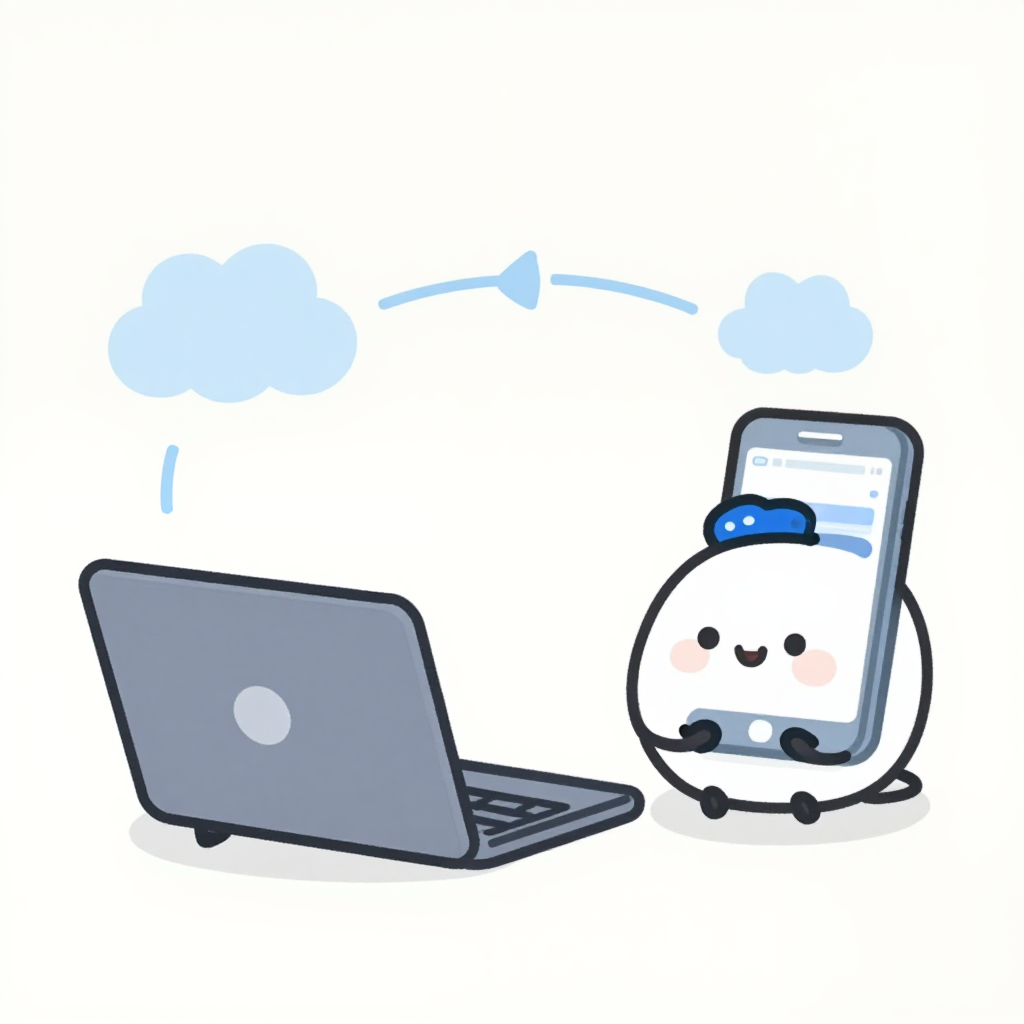
The Science of Digital Clutter: How Mental Space Impacts Productivity
Digital Clutter And Productivity is one of those topics where the jargon makes it sound harder than it is. By the end, you should know what this means, whe
If you’ve read the title, you might think this topic is overly complicated. But “Digital Clutter And Productivity” doesn’t have to sound harder than it actually is. By the end of this article, you will understand what these concepts really mean, where they show up in your day-to-day life, and whether paying attention to them is necessary for you right now. This guide aims to give you clarity on exactly where you stand. Use this information to answer practical questions quickly: if your main concern is easier backup, syncing files across devices, or simple sharing, then this article is very relevant; however, if you primarily stay on one device and already back up locally, you might find that the basics are enough. This writing style is meant for everyday people—no technical expertise required.
Quick Answer
Short version: Cloud services provide a way to store, share, or manage data without needing physical local hardware. Most of us are actually using this concept without realizing it. We’ll dive into the full explanation right below.
The Simple Explanation
At the simplest level, Digital Clutter and Productivity means your files live on someone else’s internet-connected servers instead of only on your laptop or phone. You still open, edit, and share those files normally, but the storage happens remotely.
That is why services like Attention Economy feel convenient: the file is available from multiple devices, easier to share, and less tied to one piece of hardware. The trade-off is that you are trusting an internet service and account login, not just a local folder on one machine.
A good mental shortcut is this: local storage stays on the device in front of you, while cloud storage follows your account wherever you sign in. That difference is what makes the concept useful in everyday life rather than just another tech buzzword.
How It Actually Works
The practical version is straightforward: you upload a file, the provider stores it in a remote data center, and your account keeps that file linked to you across devices. When syncing is turned on, changes you make on one device can show up on another a few moments later.
That does not mean the internet is magically replacing your computer. In most setups, you still have local files, cached copies, or folders that sync in the background. The cloud part is what makes backup, remote access, and sharing easier than carrying everything around on one drive.
In practice, most services mix both worlds: a file may look local on your laptop, but the latest version is also backed up online so you can restore it later or open it somewhere else. That hybrid setup is the reason cloud tools feel simple to use even though the storage itself happens elsewhere.
Common Use Cases
Most readers run into Digital Clutter and Productivity in three everyday situations:
- Backup: protect files if a laptop dies, a phone is lost, or you need to restore something later.
- Syncing: keep the same documents, photos, or notes available across multiple devices.
- Sharing: send access to a file or folder without emailing new copies back and forth.
This is also why Digital Decluttering often shows up in beginner searches. People are usually not looking for abstract infrastructure. They want a safer photo library, an easier way to move documents between devices, or a simple way to collaborate with family or coworkers.
A student might use it to keep assignments available across school and home computers. A parent might use it for automatic photo backup. A small team might use it so everyone edits the same document instead of passing around five outdated copies.
Benefits and Drawbacks
The greatest advantage offered by Digital Clutter and Productivity is unmatched convenience: your files are much easier to retrieve, recover, and share when they aren’t physically confined to one single machine. Furthermore, this setup significantly reduces the damage caused by losing a laptop or having a hard drive fail.
However, the main downsides involve dependency and trust. You require an account login, full flexibility often depends on a working internet connection, and free plans—like those offered for Mental Space Management—frequently come with explicit storage limitations or feature trade-offs. When dealing with sensitive files, provider reputation and privacy settings are as critical as the sheer amount of storage provided.
A quick reality check helps illustrate this balance:
| Situation | Why cloud storage helps | Where to stay cautious |
|---|---|---|
| Laptop dies unexpectedly | Your latest files may still be available online | Recovery depends on account access and sync being enabled |
| You work across phone + laptop | The same files can stay in sync without manual copying | Offline access can be limited if files are not saved locally |
| You share folders with others | Collaboration is simpler than emailing attachments back and forth | Permissions and privacy settings need a quick check |
The best way to judge this trade-off is simply by asking yourself one question: does the benefit of easier backup and constant access outweigh the extra dependency on one specific provider? For many ordinary users, the answer is yes. But it’s still wise to thoroughly review the privacy controls and storage limits before moving everything into a new system.
How to Get Started
Start small instead of migrating your whole digital life in one evening. Use this quick setup path:
- Pick one provider you already trust and upload a non-critical folder first.
- Open the same files on your phone and computer to confirm syncing works the way you expect.
- Check storage limits, sharing permissions, and whether important folders sync automatically before committing more files.
That quick test tells you whether the service fits simple backup, cross-device access, or collaboration without forcing a big commitment upfront.
Frequently Asked Questions
The most common questions about Digital Clutter and Productivity are usually practical ones, not technical ones. People want to know whether files stay private, whether they can work offline, and whether free storage is enough for normal use.
The honest answer is: usually yes for basic needs, but the details depend on the provider and your habits. If you mostly store documents and photos, a free tier may be enough for a while. If you keep large videos, device backups, or shared work files, limits show up quickly.
Another common question is whether cloud storage replaces local backup completely. It usually should not. The safer approach is to treat it as one layer of protection and convenience rather than the only place your important files live.
People also ask whether switching providers is hard later. In reality, the pain depends on how much you upload and how deeply you rely on one ecosystem. That is why it is smart to test with a non-critical folder first instead of moving every photo, document, and backup on day one.
Bottom Line
The practical takeaway can be summarized like this:
- Use Digital Clutter and Productivity if easier backup, device syncing, or improved sharing genuinely solves a recurring daily hassle for you.
- Skip jumping immediately to the advanced paid tier until you actually run into limits concerning storage capacity, collaboration needs, or security controls.
- Always maintain one local or secondary physical backup for anything you would truly hate to lose, even if cloud storage becomes your primary convenience layer.
Ultimately, understanding the concept is simple: first grasp what it means, and then decide whether you truly need a paid tool or service centered around that capability.
References
- No external references were configured for this topic yet.
Final Thoughts
The key thing to remember isn’t mastering all the technical jargon. It’s knowing exactly when Digital Clutter and Productivity is genuinely useful, understanding when the basic version of it will suffice, and when you can safely ignore the surrounding hype entirely.